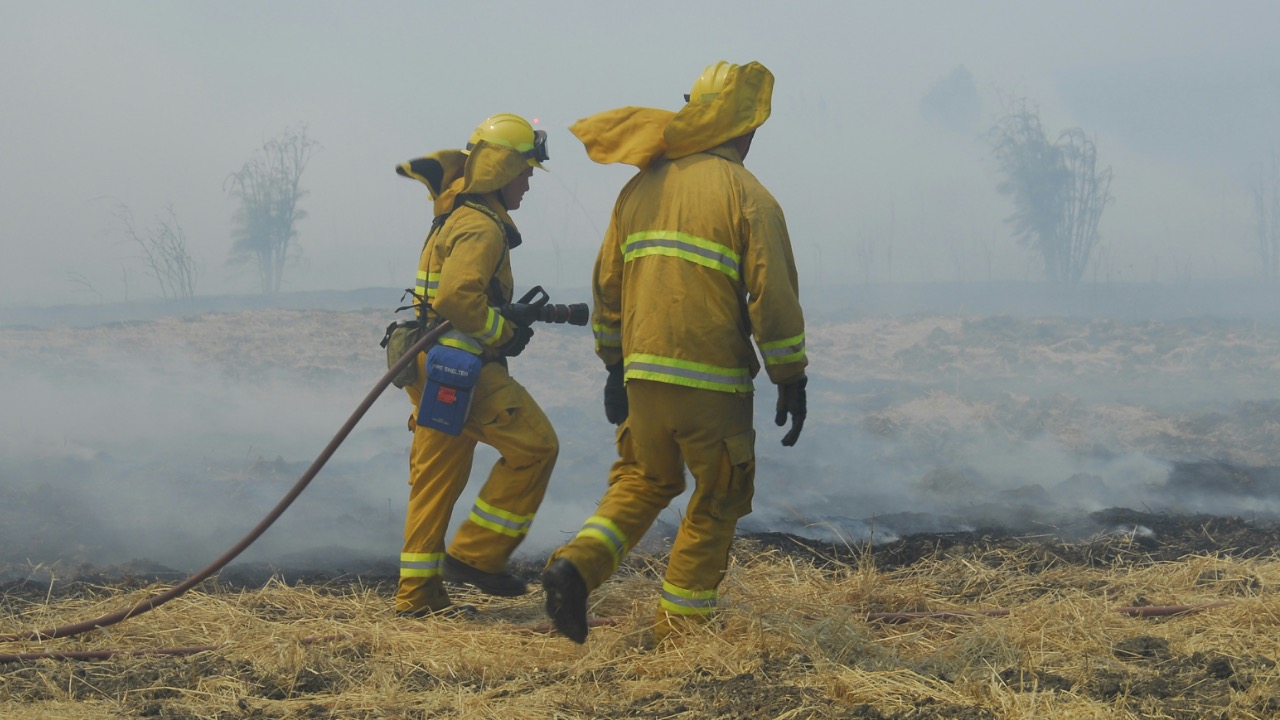
Tens of thousands evacuated as fast-moving California wildfire races towards homes
The hills above Simi Valley lit up fast this week as the Sandy Fire pushed through dry brush and canyons, forcing tens of thousands from their homes. Strong winds drove the flames toward neighborhoods in Ventura County, turning familiar streets into evacuation zones almost overnight. Fire crews worked around the clock with air support, but the terrain and shifting conditions made containment difficult in the early hours.
Many residents grabbed what they could and left under mandatory orders, while others nearby waited under warnings, watching the smoke build. This outbreak comes as California heads into another intense fire season, reminding everyone how quickly things can change in these landscapes.
The spread of the Sandy Fire
Dry vegetation and gusty winds gave the fire momentum right after it started in the hills. It grew quickly across more than 2,000 acres in the first couple of days, threatening homes in Simi Valley and parts of surrounding areas. Crews faced challenges from steep slopes and narrow canyons that funneled the flames.
By midweek, containment reached around 30 to 40 percent as conditions eased slightly. Officials reduced some evacuation numbers, but the fire still held potential to flare up again with any wind shift. Helicopters dropped water while ground teams built lines to protect structures.
Impact on local communities
Families in Simi Valley packed up and headed out, leaving behind quiet streets filled with the smell of smoke. Schools closed for safety, and daily routines halted as people figured out where to stay. The city of over 125,000 felt the strain, with many checking updates constantly for changes in orders.
Businesses adjusted too, some shutting early while residents focused on staying safe. The sense of disruption ran deep in these suburban pockets, where the hills usually offer a peaceful backdrop rather than a source of worry.
Challenges for firefighters
Teams from multiple agencies coordinated efforts to slow the fire’s advance. They dealt with heat, smoke, and difficult access points while keeping an eye on infrastructure at risk. Air tankers played a key role in hitting hot spots from above during critical moments.
Fatigue set in as shifts stretched long, but the priority remained protecting lives and homes. Officials noted that earlier containment work helped limit further growth once winds calmed.
What residents can do now
Check official sources for the latest on evacuation status and road conditions before heading anywhere near the area. Prepare an emergency kit with essentials if you live in fire-prone zones, and know your routes out in advance. Staying informed through alerts helps avoid last-minute rushes.
Talk with neighbors about plans, and clear space around your property where possible to reduce fuel for flames. These steps matter most when fires move as fast as this one did.
Broader context for California
Wildfires like the Sandy Fire highlight ongoing risks in Southern California, especially after previous major events in the region. Changing weather patterns and dry conditions keep crews on high alert each season. Recovery from past fires still affects many areas, with rebuilding moving slowly in some spots.
State and local agencies continue to refine response strategies. Public awareness grows with each incident, pushing more people to take preparation seriously before the next threat appears.

Asher was raised in the woods and on the water, and it shows. He’s logged more hours behind a rifle and under a heavy pack than most men twice his age.