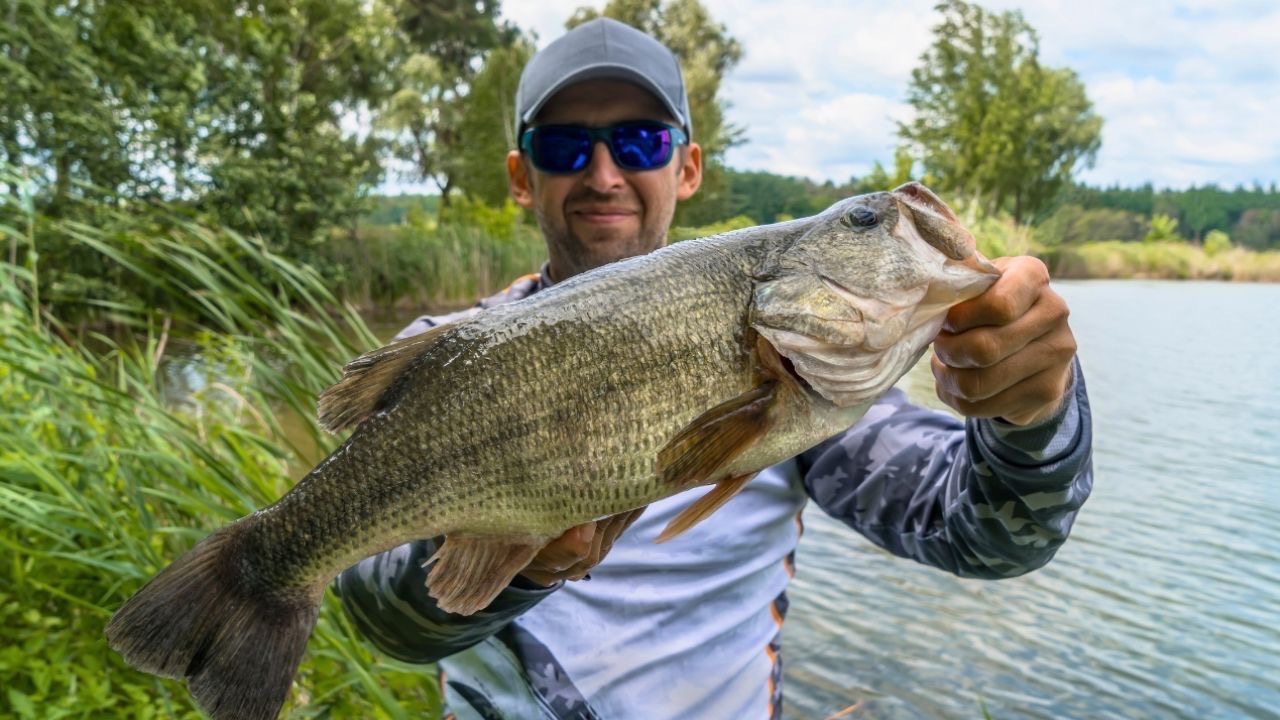
Texas Angler Lands the Same 14-Pound Bass—Three Years in a Row
Catching a double-digit largemouth bass is the kind of moment most anglers talk about for the rest of their lives. Landing the exact same fish more than once borders on unbelievable. But in Texas, where bass management, tagging programs, and catch-and-release culture are taken seriously, it happens more often than people think.
When a seasoned angler keeps records, studies a lake carefully, and releases trophy fish properly, the odds quietly improve. One Texas fisherman recently proved that point after landing the same 14-pound largemouth three years in a row on the same reservoir. With help from biologists at the Texas Parks and Wildlife Department and records tied to the Toyota ShareLunker Program, the story reveals how a single fish can become part of a much bigger conservation picture.
The First Catch That Started the Story
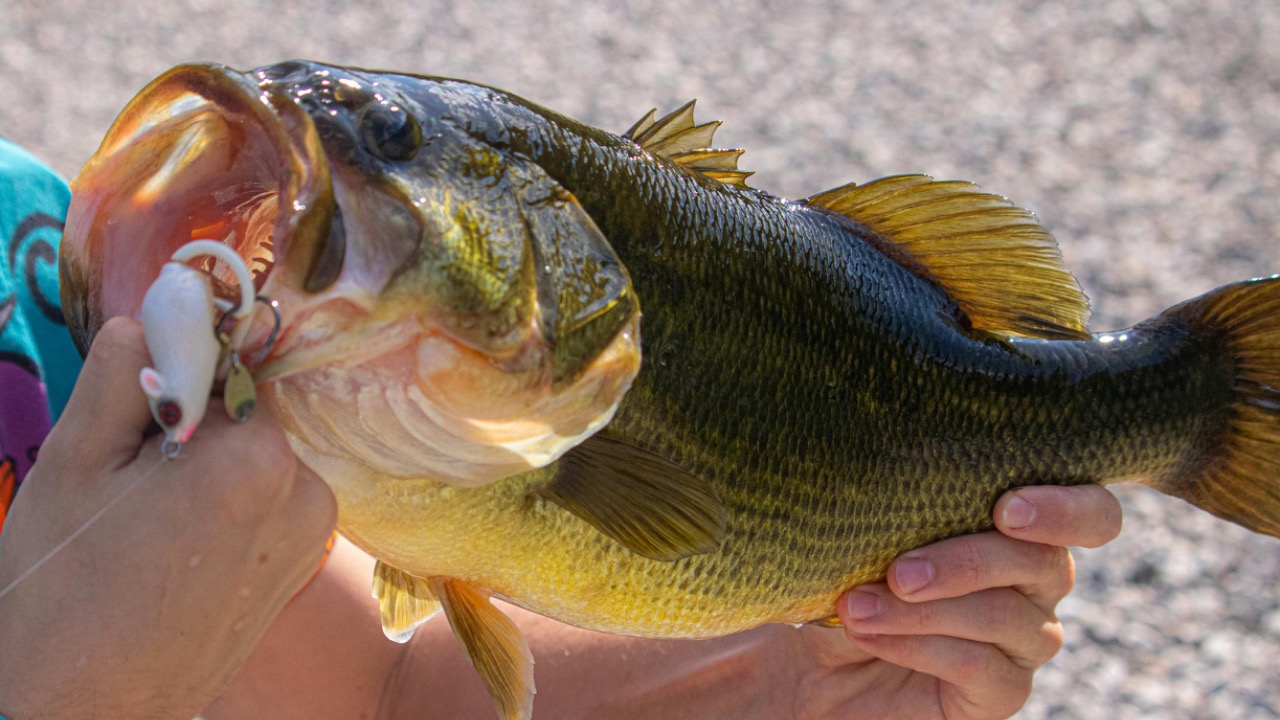
The first time you land a bass pushing fourteen pounds, you don’t forget the details. The angler hooked the fish during a late-winter outing on Lake Fork Reservoir, one of the most famous trophy bass lakes in the country. The fish crushed a slow-worked swimbait near submerged timber in about twelve feet of water.
After a careful weigh-in and photos, the fish was entered into the Toyota ShareLunker Program. Biologists documented the catch, confirmed the weight, and implanted a tracking tag before releasing the bass back into the lake. At that moment, nobody suspected the same angler would cross paths with that fish again.
A Familiar Tag Shows Up the Next Spring
The following spring, the angler was working a similar stretch of water when another heavy fish inhaled a jig along the same channel edge. The fight felt familiar—slow head shakes, heavy pulls, and a refusal to come off the bottom.
When the fish finally hit the net, the angler noticed the small identification tag placed by the Texas Parks and Wildlife Department. The number matched the bass recorded the year before. Same fish, almost the same weight, and caught less than two hundred yards from the original location.
Why Trophy Bass Often Stay Close to Home
Big largemouth bass don’t roam a lake the way many anglers assume. Mature fish often hold tight to a specific section of structure for years if the conditions remain stable. Deep timber, creek channels, and submerged roadbeds provide reliable feeding opportunities and security.
Biologists working with the Toyota ShareLunker Program regularly document trophy fish being recaptured within a small radius of their original tagging location. When forage, depth, and cover remain consistent, large bass tend to stay put. That behavior explains why the same angler could reconnect with the same fish.
The Third Catch Confirmed the Pattern
By the third year, the angler had developed a habit of checking that same stretch every spring. Water temperatures were nearly identical to previous seasons, and the baitfish schools were stacked along the same breakline.
When another giant bass took the lure and surged toward deeper water, the fight felt almost predictable. Once again the fish came aboard, and once again the identification tag confirmed it. The same fourteen-pound bass had been caught three consecutive seasons and released every time.
How Texas Keeps Giant Bass Alive
Texas has become a model for trophy bass management, largely due to the efforts of the Texas Parks and Wildlife Department. Programs like the Toyota ShareLunker Program track giant fish and use them to strengthen bass genetics across the state.
When anglers report fish heavier than thirteen pounds, biologists collect valuable data that helps improve fisheries. Many of those bass are returned to the lake after documentation. That careful handling allows individual fish to survive, grow, and sometimes be caught again years later.
Catch-and-Release Makes Stories Like This Possible
Thirty years ago, a bass that size might have ended up mounted on a wall. Today, most serious anglers release trophy fish after documentation. That cultural shift plays a huge role in stories like this one.
Large bass are surprisingly resilient when handled correctly. Quick photos, proper support while holding the fish, and immediate release dramatically increase survival rates. When anglers follow those steps, a fourteen-pound bass can continue growing—and occasionally show up again on someone’s line.
Big Bass Can Live Longer Than You Think
Many anglers underestimate how long a largemouth bass can live. In productive southern reservoirs like Lake Fork Reservoir, a bass may reach trophy size after a decade or more of steady growth.
Fish that exceed thirteen pounds often represent years of survival through spawning seasons, drought cycles, and fishing pressure. When those fish avoid major injuries and continue feeding successfully, they can remain part of a lake’s population for several additional years.
One Fish Became a Local Legend
By the third confirmed catch, word spread quickly among anglers who frequent the lake. The idea that the same giant bass kept showing up created a quiet legend around that section of water.
For the angler who caught it three times, the experience changed the way he approaches fishing. Instead of chasing numbers, he now spends more time studying specific structures and seasonal patterns. When a single fish becomes part of your story for three straight years, it proves something experienced anglers have known all along: sometimes the biggest bass in the lake never really leave.

Asher was raised in the woods and on the water, and it shows. He’s logged more hours behind a rifle and under a heavy pack than most men twice his age.