The Adjustment That Saves Slow Days on the Water
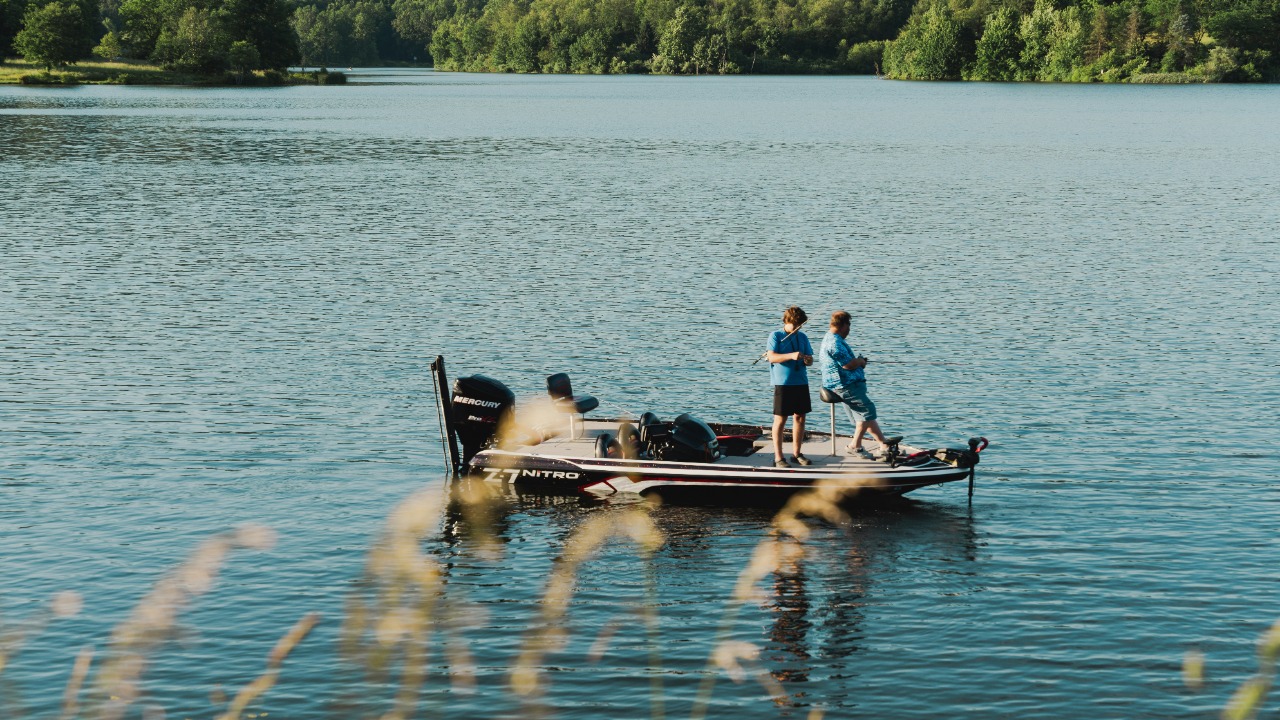
Slow days on the water rarely come from a lack of fish. More often, they come from a mismatch between what the fish are doing and what I am asking them to do. The single adjustment that rescues those quiet sessions is almost always the same: I slow everything down, from my casting rhythm to my retrieve and even how I move the boat or my own body.
That shift in tempo sounds simple, but it touches every part of how I fish and how I stay comfortable enough to keep fishing well. When I treat a sluggish bite as a signal to ease off the gas, read the conditions and settle into a calmer pace, I usually find that the water was not dead at all, it was just waiting for me to meet it where it was.
Reading Fish Behavior Before You Blame the Bite
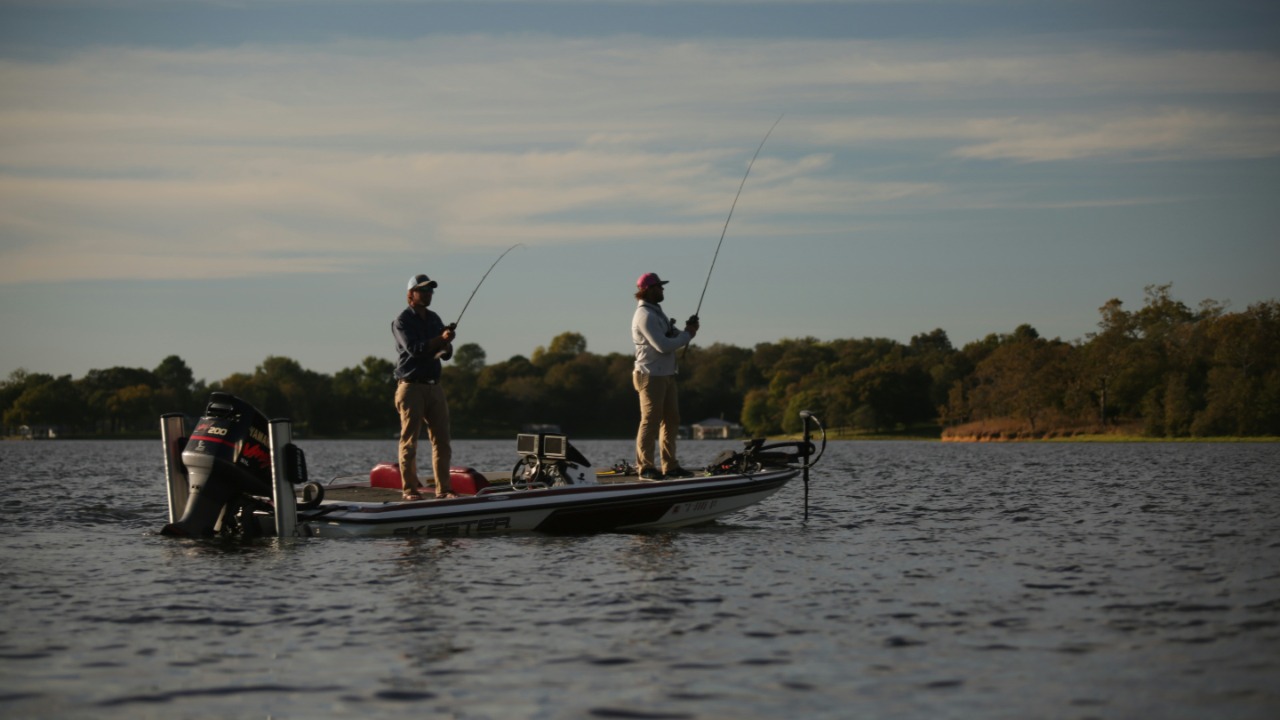
When the action fades, I start by assuming the fish have changed, not that they have vanished. Cold fronts, bright skies or boat traffic can all push them into a slower, more deliberate mode where they feed less often and punish sloppy presentations. I have learned that if I keep ripping lures or rushing casts in that window, I am effectively fishing past them rather than to them.
Biologists and guides consistently point out that Fish routinely shift locations to stay within a comfortable temperature band, sliding deeper in hot conditions and tucking near structures where temperatures are higher when the water cools. As they do, their metabolism and reaction time change, which is why a pattern that produced aggressive strikes at dawn can feel useless by late morning. On slow days, I treat every missed bite or short follow as feedback that the fish are conserving energy and that my best move is to slow my approach until it matches their pace.
Temperature, Weather and the Case for Slowing Down
Weather is usually the first clue that I need to change gears. Prolonged heat often pushes fish into deeper or shaded pockets where they can cool off, while a stretch of cooler weather nudges them to slow down and save energy instead of chasing every passing meal. If I keep fishing the same shallow banks or fast retrieves through those shifts, I am ignoring the basic physics that govern their comfort.
Guides who track seasonal patterns note that In the heat, fish often slide into deeper or shaded water, while in cooler months they tend to slow down and save energy instead of roaming widely. I use that as a cue to lengthen my pauses, let baits sink longer and spend more time probing the edges of drop-offs or shade lines. When the air feels heavy or the water has that glassy, post-front look, I assume the fish are in energy-conservation mode and deliberately dial back my cadence to match.
Slow and Deep: Letting the Lure Do the Work
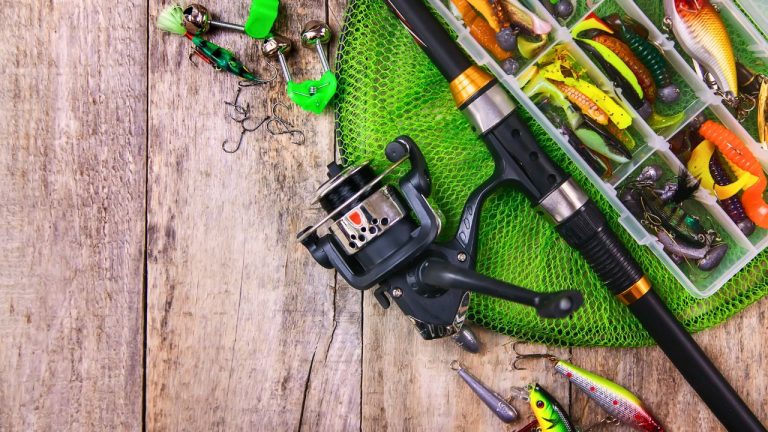
Once I accept that the fish are not racing around, I stop asking my lures to sprint. Fishing slow and deep is less about fancy gear and more about patience, letting the weight of the fly or jig carry it into the strike zone and trusting that a steady, unhurried retrieve will look more like an easy meal than a fleeing target. On tough days, I often catch my best fish within a rod length of where I first cast, simply because I finally gave the lure time to sink and swim naturally.
Trout anglers who focus on the science of presentation describe how, when trout slow down, everything they do becomes more deliberate, from digestion to reaction time, which is why they recommend keeping things low, slow and steady in what they call Science Behind the. I borrow that logic across species, letting streamers, soft plastics or jigs sink deeper than feels comfortable and then crawling them back with long pauses. The adjustment is as much mental as technical, because it requires trusting that the fish are there and that the best way to tempt them is to make every movement look like the laziest, safest bite they will see all day.
Depth Control: The Hidden Adjustment That Changes Everything
Speed is only half of the equation; depth is the other half that quietly decides whether a slow presentation ever crosses a fish’s nose. On slow days, I treat depth as a variable to be tuned, not guessed. That means adjusting weight, leader length or float placement in small, deliberate steps instead of randomly swapping lures and hoping for a miracle.
One practical way to do that is to set an indicator or float a couple of feet deeper than I think I need, then work shallower once I start touching bottom, a method that helps me Dial my depth efficiently and spend more time fishing and less time fiddling. I apply the same logic with weighted lures, counting them down to different levels before starting a slow retrieve and noting where I get bumped. When the bite is off, that kind of systematic depth control often matters more than lure color or brand, because a perfectly chosen bait is still invisible if it rides two feet above or below where the fish are actually holding.
Wind, Slack Water and Using Conditions Instead of Fighting Them
Conditions that feel uncomfortable to me often help the fish. Windy days, for example, can be frustrating when I am trying to keep a rig steady, but the chop also breaks up light, masks my presence and pushes food into predictable lanes. I have learned to lean into that, using the drift to move my bait naturally instead of fighting to hold it perfectly still.
Anglers trading notes on windy sessions point out that some catch more on gusty days than on flat ones, even as others say it is harder to keep a rig steady, a reminder that Really it all on how you adapt. The same mindset applies to slack tide, the thin window when moving water pauses and many people assume the bite is dead. Guides who focus on tidal systems describe Slack Tide as a moment to get to the point, reposition quietly and pick apart structure instead of running around. On slow days, I try to treat wind and slack water as tools that tell me where and how to slow down, not as excuses to give up.
Downsizing and Slowing the Cadence When Fish Get Wary
When fish have seen a lot of pressure, the adjustment that saves the day is often as simple as making everything smaller and calmer. Downsizing lures, shortening casts and easing off the throttle on retrieves can turn followers into biters, especially in clear water where big, flashy offerings look more like a threat than a snack. I think of it as whispering instead of shouting at fish that are already on edge.
Experienced anglers who talk through seasonal patterns often explain that there are times of year, especially around Sep, when they move up quietly on fish and find that size and speed do not matter the way they did earlier in the season. In that window, a smaller profile and slower cadence can feel more natural to fish that have been stung by larger baits for weeks. I mirror that by trimming soft plastics, switching to lighter jig heads or tying on slimmer flies, then pairing those changes with longer pauses and softer rod movements. The combination of downsizing and slowing down often convinces fish that my offering is just another easy, low-risk bite drifting past.
Boat Pressure, Stealth and Comfort at the Shooting Range
Speed is not only about how fast I move a lure, it is also about how aggressively I move my boat or my own body. In shallow water, boat pressure can change fish behavior quickly, turning a promising flat into a silent desert if I roar in, drop the trolling motor hard and start firing casts in every direction. I have found that the calmer and quieter I stay, the more relaxed and catchable the fish remain.
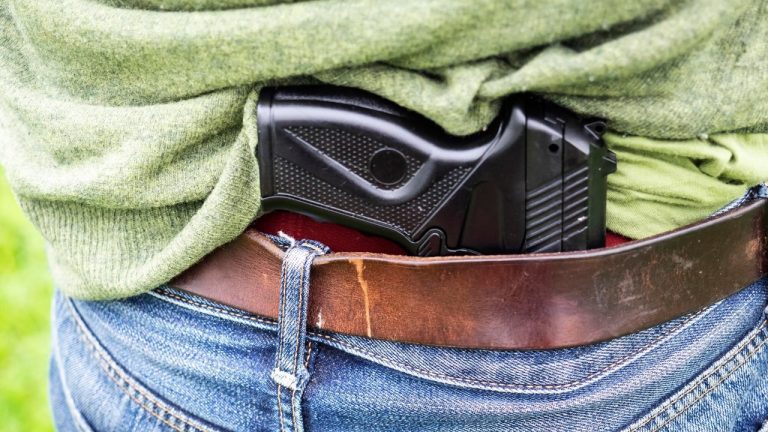
Guides who specialize in flats fishing emphasize that Boat pressure changes fish behavior quickly, and that quiet positioning and controlled movement keep redfish feeding instead of fleeing. I treat that as a reminder that my own comfort and composure matter as much as my tackle. The same principle carries over when I practice at a shooting range before a trip: if I rush shots, ignore ear protection or stand in an awkward stance, my accuracy falls apart. By slowing my breathing, settling into a stable, comfortable position and focusing on smooth trigger pulls, I build the kind of calm, repeatable motion that later translates into relaxed, accurate casting and fish handling on the water.
Stillwater Troubleshooting: When Nothing Seems to Move
Stillwater can be brutally honest on slow days, because there is no current to hide mistakes. When the surface looks lifeless, my first instinct used to be to cover more water faster, but that usually just meant I spooked the few active fish that were left. Over time, I have learned that the better move is to slow down, break the problem into pieces and adjust one variable at a time.
Anglers who specialize in lakes and reservoirs talk through that process in detail, with people like Lance from Fly Fish Food walking through how they troubleshoot when stillwater fishing is slow. The pattern is consistent: they change depth, then retrieve speed, then fly or lure size, all while keeping their movements deliberate and their expectations realistic. I follow a similar checklist, starting with a slower retrieve and longer pauses, then experimenting with different depths and smaller profiles. By resisting the urge to thrash the water and instead working through those adjustments methodically, I often turn a blank into a handful of quality bites.
Midday Lulls and the Mental Game of Slowing Down
Midday has a reputation as dead time, but I have come to see it as a test of patience rather than a guarantee of failure. The sun is high, shadows are short and boat traffic often peaks, which pushes fish into tighter, more protective spots. If I keep fishing the same angles and speeds that worked at first light, I am effectively ignoring the new geometry of light and pressure on the water.
Coastal guides who chase redfish on bright days argue that Midday does not mean slow fishing, it means adjusting angles, depth and approach. I take that to heart by changing casting lanes, targeting the shady sides of structure and slowing my retrieves so lures linger longer in the narrow bands of comfort where fish are hiding. Mentally, I treat the lull as a cue to relax my expectations, hydrate, adjust layers and reset my focus. That small act of slowing myself down keeps me sharp enough to notice the subtle taps and short strikes that often mark the start of an afternoon bite window.
Translating Slow-Day Discipline to Shooting Range Comfort
The discipline of slowing down on the water has changed how I think about comfort and performance at the shooting range. Just as fish respond poorly to rushed, noisy boats, my own accuracy suffers when I hurry through practice, ignore small discomforts or let fatigue creep into my stance. I have learned that the best way to prepare for a long day outdoors is to treat range time as a place to refine calm, repeatable movements rather than to blast through ammunition.
That means building a routine that mirrors my slow-day fishing adjustments: I start with a relaxed grip, a stable stance and deliberate breathing, then focus on smooth, consistent trigger presses instead of chasing speed. When I feel tension in my shoulders or neck, I pause, stretch and reset rather than pushing through discomfort that will only get worse in the field. Over time, that approach has made both my shooting and my fishing more efficient, because I am no longer fighting my own body. I am simply giving myself the same patience and steady rhythm that I already know the fish demand when the bite goes quiet.

Leo’s been tracking game and tuning gear since he could stand upright. He’s sharp, driven, and knows how to keep things running when conditions turn.