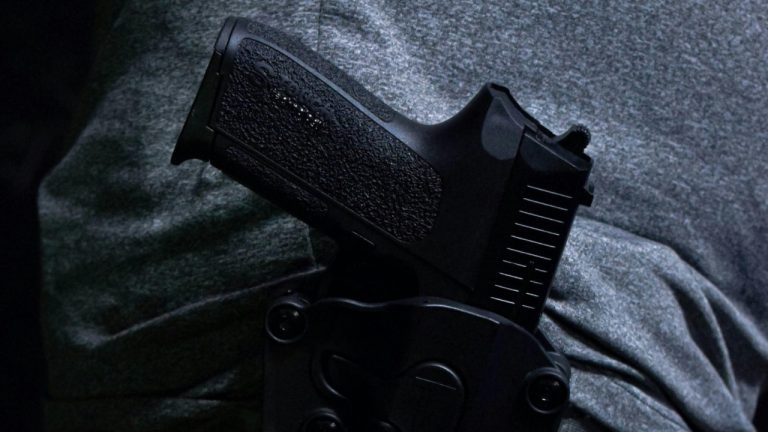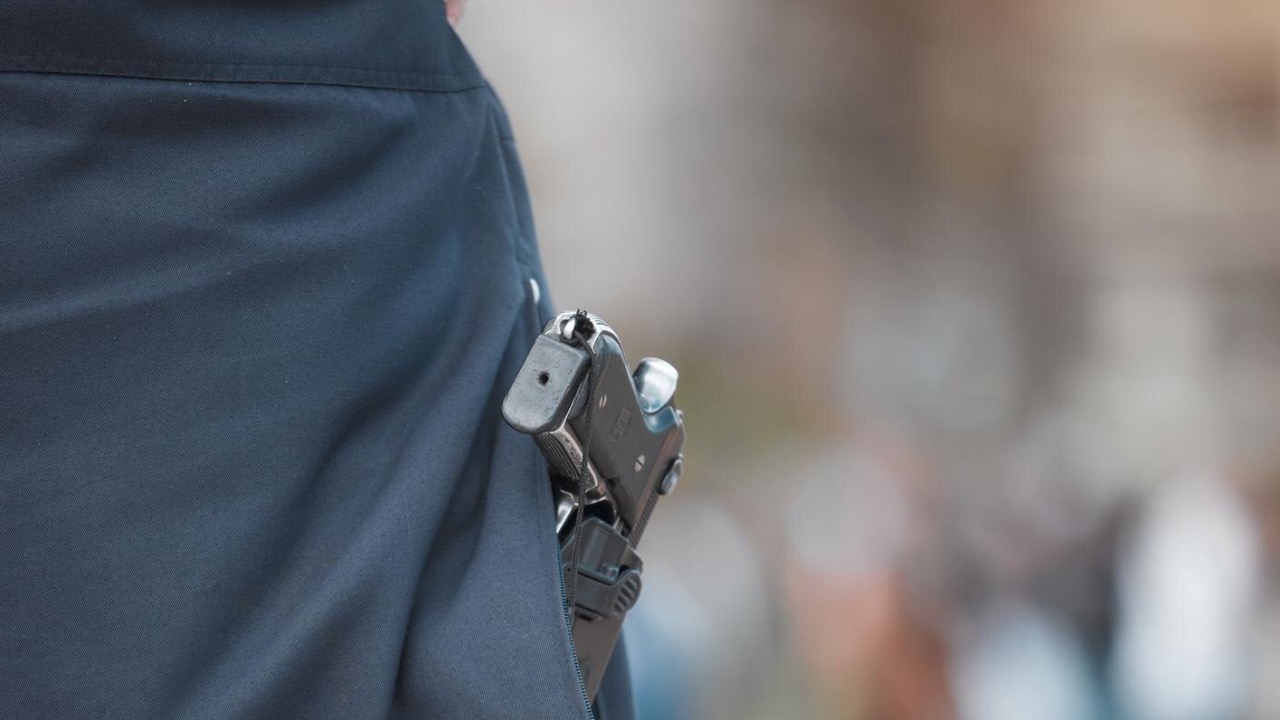
The biggest mistake new concealed carriers make their first year
New concealed carriers rarely fail because of a single bad decision at the range. The real danger in the first year comes from a mindset mistake that quietly infects everything else: treating the gun as a magic talisman instead of a skill that demands disciplined habits. That attitude shows up in cheap gear, skipped training and casual handling, and it is what turns small errors into real risk.
Seen through that lens, the “biggest mistake” is not one specific action but a pattern of overconfidence without practice. The firearm goes on the belt every day, yet the owner never truly learns how to carry, draw, move, think and live with it as a defensive tool instead of a lucky charm.
The core error: Overconfidence without practice
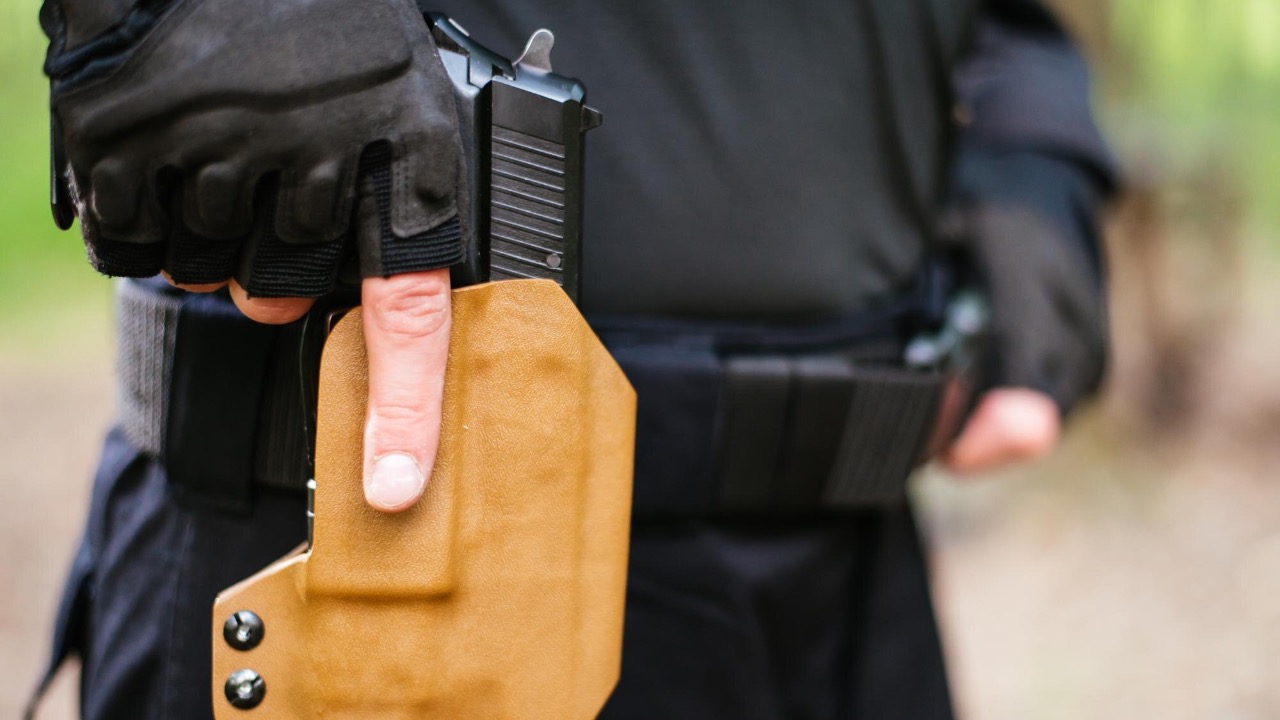
Instructors who work with new license holders describe the same pattern again and again. A student passes a basic class, buys a pistol and a permit, then assumes that box is checked for life. One training provider bluntly labels it Overconfidence Without Practice and calls it one of the most frequent difficulties new carriers face while they are still developing competence and confidence.
That overconfidence shows up in small, telling ways. The pistol goes into a waistband each morning, yet the owner has never timed how long it actually takes to draw from concealment. They may have fired a box of ammunition at seven yards on a static lane but never practiced shooting from retention, moving to cover or issuing verbal commands. The license becomes a psychological shield instead of a reminder that skill must be maintained.
Several training guides warn that this attitude can bleed into unsafe behavior in daily life. When a person believes that simply owning a gun makes them safer, they are more likely to push into marginal situations, ignore avoidance opportunities or mentally rehearse “hero” scenarios that have little to do with lawful self defense. One instructor-driven resource stresses that new carriers must balance confidence with humility, because the firearm multiplies the consequences of every decision they make in a confrontation.
Overconfidence also distorts how new carriers view their own readiness. Many assume that because they shot well in a low stress class, they will perform the same way under adrenaline in a parking lot or inside a crowded store. Yet other training resources point out that even experienced shooters can struggle to manage fine motor skills and tunnel vision under stress, which is why consistent practice and realistic drills matter far more than a single qualifying score.
Cheap gear and “craptastic” holsters
The same mindset often drives the first big purchasing error: buying the cheapest gear available, then trying to live with its compromises. One widely shared guide on beginner errors lists Buying Cheap Gear as a top mistake and notes that many new carriers treat the holster as an afterthought compared with the pistol itself.
Holster specialists argue that this is exactly backward. A detailed breakdown of the Most Common Concealed puts “Using a Craptastic Holster” at the top of the list. The piece singles out soft, collapsible designs and flimsy clips that cannot reliably hold the gun in place or protect the trigger. Instructors routinely see new carriers show up with generic nylon sleeves that fold into the trigger guard during reholstering or shift around the waistband during normal movement.
Holster makers who focus on new carriers echo the same concern. One guide titled Find the Right warns against holsters built from soft materials that degrade quickly, especially when they do not maintain an open mouth for safe reholstering. The author notes that many budget options are marketed as “one size fits most,” which can leave the gun loose, unstable and difficult to draw consistently.
Even within budget constraints, experts emphasize that material and construction matter. A separate discussion of the nylon holster, quality theme stresses that a less-than-ideal holster can still be safe if it is designed for the specific firearm, reinforces the mouth and uses a secure attachment method. The problem is not nylon itself but “craptastic” execution that prioritizes low price over retention, coverage and durability.
New carriers also underestimate the importance of the belt. One popular training video argues that a tough belt is every bit as important as a solid holster and even jokes that no one would wear shoes without socks. In practice, a flimsy department store belt lets the gun flop outward, print through clothing and shift position as the wearer moves. A purpose built carry belt distributes weight, keeps the holster stable and reduces the temptation to constantly adjust the gun in public.
Carrying a gun that is too small or hard to run
Another early misstep stems from the same desire to minimize discomfort and printing. A widely read piece on new carrier errors lists CARRYING TOO SMALL as the first major mistake and explains that many people gravitate toward tiny pistols because they seem easier to hide. The problem is that extremely small guns are harder to shoot well, especially under stress, and often hold fewer rounds.
Instructors see this when students struggle to establish a full grip on micro compacts, manage recoil or manipulate small controls with cold or sweaty hands. A gun that feels light and convenient in the store can become difficult to run during live fire, particularly for shooters with larger hands or limited experience. That mismatch encourages bad habits like “teacup” support hands, loose grips and slow follow up shots.
Some trainers encourage students to “dress around the gun” instead of forcing the smallest possible firearm into every outfit. That might mean choosing a slightly larger pistol that allows a full firing grip and then adjusting clothing choices, holster position and belt quality to conceal it effectively. The goal is a balance between concealment, shootability and capacity rather than chasing the tiniest footprint at any cost.
Women often face extra pressure here, both from marketing and from well meaning advice. One feature on new buyers highlights how friends, spouses or sales staff sometimes push women toward small, lightweight guns that they themselves would not carry. In that piece, Stacy Bright, an NRA instructor and Concealed Carry Trainer in Southwest Missouri, warns that relying on a friend, spouse or even a sales clerk to pick a first gun often leads to a poor fit. She urges women to test multiple options, pay attention to recoil and control, and choose a firearm they can run confidently rather than the smallest one on the shelf.
Bad holster choice and constant fidgeting
Once a gun and holster are selected, another common first year mistake appears: constant fiddling. A guide on beginner errors lists Adjusting Their Holster as a major tell that someone is new and uncomfortable. Every time a carrier tugs at the belt line or repositions the gun in public, they draw attention to the fact that they are armed and risk exposing the firearm.
Holster discomfort often traces back to poor selection. A detailed breakdown of Common Mistakes points to “Bad Holster or Wrong Holster” as a leading issue and explains that choosing a poor quality holster or one unsuited to the carry location can lead to discomfort, poor concealment and slow draws in a self defense situation. For example, a holster designed for appendix carry may not ride correctly on the hip, and a strong side holster may dig painfully when moved to the front of the waistband.
Several training videos on early carry errors open with the same point. In one, instructor Jeff Mau labels “Bad Holster Choice” as the first big mistake he sees among new gun owners and explains that a flimsy or ill fitting holster undermines every other safety habit. Another video aimed at those who are NEW to CONCEALED starts by telling viewers that if they are not comfortable enough to carry consistently, they will not have the gun when they need it.
Online communities echo these observations. A widely shared thread on new carrier errors bluntly lists Buying a “crappy holster off Amazon” as one of the biggest mistakes new people make. The same discussion notes that self consciousness tends to fade as carriers invest in better gear, train more and realize that most bystanders are not scrutinizing their waistlines.
Poor trigger discipline and unsafe handling
Gear problems are serious, but they are still secondary to basic safety habits. A training guide titled Carrying Right Meansputs “Poor Trigger Discipline” at the top of its list and explains that this mistake endangers both the carrier and everyone around them. The rule is simple: the finger stays off the trigger until the sights are on target and the decision to fire has been made.
New carriers often violate that rule in subtle ways. They may rest a finger on the trigger while holstering, hook it inside the guard while drawing, or “check” the trigger during administrative handling at home. Instructors repeatedly warn that most negligent discharges occur during non shooting tasks such as holstering, unholstering or cleaning, not during active gunfights.
Some training resources recommend specific drills to build safer habits. One guide suggests practicing reholstering slowly with the finger indexed high along the frame and the eyes focused on the holster mouth, especially when using inside the waistband designs. Another encourages dry practice sessions with an unloaded gun to ingrain the feel of a proper draw stroke that keeps the trigger finger straight until the gun is on target.
Unsafe handling can also show up in how new carriers interact with others. A Quora discussion on what not to do as a first time carrier includes advice such as use your gun in situations where you or loved ones are not directly threatened and do not inject yourself into other people’s problems. The underlying message is that drawing a firearm is a last resort, not a tool for winning arguments or impressing friends.
Carrying without a round chambered
Few topics divide new carriers more than whether to carry with a round in the chamber. Several training resources point out that most people who carry with an empty chamber are novices and believe that configuration makes the gun significantly safer. One analysis notes that However they could gain far more safety by improving their training and handling habits than by relying on an extra mechanical step.
Another discussion of everyday carry practices stresses that Modern day firearms are built to be safe, with internal safeties that prevent discharge unless the trigger is pressed. The same piece notes that most people who choose to carry without a round chambered are new to carrying and often started that way themselves before gaining confidence in the design and in their own habits.
For those who remain uneasy, some trainers recommend structured practice at home. One guide suggests Practice with Dummy Rounds to build confidence, carrying the gun in its holster around the house with a snap cap in the chamber to prove that normal movement will not fire the gun. The writer cautions carriers not to confuse live and dummy rounds, but argues that this method can help bridge the emotional gap between theory and lived experience.
Instructors generally frame the chambered round decision as a balance between readiness and comfort. A gun that requires racking the slide before firing demands two hands, time and fine motor skills that may not be available in a real attack. At the same time, no one should carry in a configuration that makes them so anxious they constantly fidget or avoid carrying at all. The long term goal is to build handling skills and gear confidence to the point where a chambered round feels normal and safe.
Ignoring training quality and legal education
Passing a permit class is a starting point, not a finish line. Some licensing courses focus heavily on legal requirements and basic safety but provide little instruction on realistic defensive shooting. A training advisory warns prospective students to vet instructors carefully and bluntly asks readers to Imagine having your Concealed Weapon or Firearm License revoked because of insufficient training.
The same guide urges students to look for instructors who cover both technical skills and legal responsibilities, including when they may lawfully use deadly force, how to interact with law enforcement after a defensive incident and how to avoid confrontations altogether. It also encourages carriers to ask about instructor credentials, teaching philosophy and whether the class includes scenario work or only static shooting.
Legal ignorance can be just as dangerous as poor marksmanship. A resource that catalogs How To Avoid Of The Most Common Concealed Carry Mistakes lists “Forgetting Your CCW Permit At Home” among its 32 errors and reminds carriers that they must understand concealed carry state reciprocity laws before traveling. Being armed without a valid permit or in a prohibited location can lead to criminal charges, even if the gun is never drawn.
Some training organizations also stress the value of ongoing education. That can include intermediate handgun classes, low light courses, force on force training with simulated munitions or legal seminars taught by attorneys who specialize in self defense law. Membership organizations provide additional resources through programs that invite supporters to Discovered Biggest Mistakes Concealed Carriers Make NRA Family, renew or donate, often bundling access to training materials and legal updates.
Carrying inconsistently or only “when it feels sketchy”
New carriers often ease into the lifestyle by carrying only on certain days or in certain neighborhoods. Instructors warn that this habit can undermine the entire point of concealed carry, because no one gets to schedule when a threat appears. A video aimed at those who are NEW to CONCEALED stresses that people need to be ready to defend themselves and those they love, which means carrying consistently instead of only when danger seems likely.
Inconsistent carry also affects skills. Drawing from concealment with a particular holster, belt and cover garment is a learned movement. If the gear changes every few days or the gun is left at home more often than not, the carrier never builds the muscle memory needed to perform smoothly under pressure. Regular, consistent carry with the same setup makes it easier to practice and to execute a clean draw when it matters.
Some guides on beginner tips suggest simple ways to make daily carry more comfortable. One resource on starting out recommends carriers Choose the Right because secure, comfortable carry starts with proper gear. The same guide notes that clothing plays a huge role in concealment and that darker, patterned fabrics can help break up the outline of the gun so it does not signal to casual observers that someone is carrying.
Online communities often reassure new carriers that the early feeling of being “made” all the time eventually fades. As one commenter put it in a discussion of newbie mistakes, the more someone carries, the more confident they become and the less they worry that every passerby can see the gun. That confidence, however, should rest on solid training and safe habits rather than on denial.
Administrative mistakes: permits, reciprocity and storage
Beyond the range and the street, new carriers face a web of administrative responsibilities. A detailed guide on avoiding common errors lists Most Common Concealed and highlights how easy it is to overlook paperwork and legal details. Among those 32 errors, “Forgetting Your CCW Permit At Home” stands out because it can instantly turn a lawful carrier into someone who is technically armed without authorization.
Travel multiplies the risk. Reciprocity agreements between states are complex and change over time, and some jurisdictions impose strict rules on magazine capacity, ammunition type or where firearms can be carried. Carriers who cross state lines without checking current law risk arrest, confiscation of their firearm and long term legal consequences that may include losing the ability to carry at all.
Storage is another weak point in the first year. New carriers sometimes leave guns unsecured in vehicles, purses or nightstands where children or unauthorized adults can access them. Training materials urge owners to use lockboxes, safes or other secure storage whenever the gun is not under direct control, and to develop habits such as locking the firearm in a vehicle safe before entering prohibited locations.
Some organizations that advocate for gun rights also promote responsible ownership through renewal and donation campaigns. Supporters are encouraged to Discovered Biggest Mistakes Concealed Carriers Make NRA Family to maintain access to training, legal updates and safety programs, and to Discovered Biggest Mistakes Concealed Carriers Make NRA Family so those programs can reach new shooters.
How to avoid the first year trap
- Invest in quality gear from the start. Use tools such as the holster finder to match holsters to specific firearms and carry positions, and avoid “craptastic” designs that rely on soft, collapsing material or weak clips.
- Commit to regular training. That includes live fire practice, dry fire at home and, when possible, professional instruction that covers both shooting and legal responsibilities.
- Carry consistently with a stable setup. Treat the gun, holster and belt as a system, and refine that system until it is comfortable enough for daily wear.
- Study the law. Understand when deadly force is lawful, how reciprocity works and what administrative requirements apply in each jurisdiction.
- Adopt conservative safety habits. Keep the finger off the trigger until ready to fire, use secure storage, and avoid risky behavior in person and online.

Leo’s been tracking game and tuning gear since he could stand upright. He’s sharp, driven, and knows how to keep things running when conditions turn.