The biggest mistake new gun buyers make at the counter
First-time buyers often walk into a gun shop convinced they already know what they need. A few minutes later, they may walk out with a firearm that fits a trend more than it fits their hands, their home or their life. The biggest mistake at the counter is not a specific model or caliber; it is treating the purchase as a product decision instead of a long-term safety, training and lifestyle commitment.
When handled well, that first conversation across the glass can set up years of confident, responsible ownership. When handled poorly, it can lock a new owner into a gun that is hard to run, unpleasant to shoot and rarely practiced with, the worst possible combination.
Mistake one: Skipping the “why” before touching the glass

Seasoned instructors describe the same early error again and again: new buyers have not answered the basic question of why they want a gun before they start shopping. One trainer lists “Not Determining The Why” as the first and most common error in a series of beginner pitfalls and folds it into a broader pattern of impulse buying that ignores purpose, environment and skill level.
That missing “why” shows up quickly at the counter. A person who lives in a small apartment, wants a simple home-defense option and rarely travels might be better served by a mid-size pistol with manageable recoil. Without a clear purpose, that same buyer might be steered toward a compact pocket gun that is snappy and difficult to shoot well, or toward a large rifle that will be hard to store safely in tight quarters. Instructors who work with new owners describe how a little time spent on intended use, from home protection to sport shooting, prevents that mismatch.
Several guides for first-time owners urge buyers to define their role and responsibilities before money changes hands. One safety-focused resource aimed at beginners stresses that gun ownership brings obligations around storage, training and legal awareness, and that buyers “want to make sure” their first choice is one they do not regret later, a point echoed in advice on first time gun.
Letting trends and friends choose the gun
Once a new buyer steps to the counter, social pressure tends to take over. A friend swears by a particular compact pistol, a movie hero runs a specific AR-15 setup, or a sales clerk has a favorite brand. Instructors at South Carolina Gun School describe how “Choosing the Wrong Firearm” often starts with recommendations from friends, flashy marketing or movie portrayals instead of personal fit and experience level. Their guidance is blunt: a firearm that works perfectly for one person might be a poor choice for another with different hands, strength or tolerance for recoil.
Trainers who focus on new shooters in Omaha warn about “Buying a gun before you” have narrowed choices through research and testing. Their breakdown of “4 Common Mistakes Made by New Shooters” singles out buyers who walk into a shop and pick the first gun a friend mentioned, then discover at the range that it is painful to shoot or difficult to rack. Their advice is to pare options to a short list, then test them where possible, instead of letting the loudest voice in the room decide.
One detailed guide for beginners goes further, describing how “Dec” and “Let” are used to frame a list of errors that starts with ignoring purpose, then moves quickly to ignoring fit. That same guide marks “Mistake #1: Not Determining The Why” and follows it with “Mistake #2: Not Trying or Handling Different Firearms” before purchase. The pattern is clear: the counter is the worst place to start thinking seriously about what actually fits the buyer.
Trying nothing, then buying everything
New shooters often treat firearms like consumer electronics. They read a few reviews, ask a friend, then buy without ever trying the product. Experienced instructors see that as a direct path to buyer’s remorse. One breakdown of beginner errors states plainly that “Not Trying or Handling Different Firearms” is a major mistake and ties it to poor performance and lack of confidence. The same source urges buyers to handle several options, dry fire where safe and, ideally, rent before committing, advice that is expanded in the detailed discussion of Mistake #2: Not.
Range operators echo that point. One comparison likens the process to a test drive, telling potential buyers to head to a local range and take several models for a spin before deciding. Online communities of new owners share similar advice. One discussion in a liberal gun owners forum urges people to “Go to a range that rents gun” and notes that such ranges tend to keep models that hold up to heavy use and repeated rental, which filters out fragile or finicky designs.
Instructors in Omaha add that trying guns before buying helps narrow choices to a few firearms that actually fit the shooter’s hands and body. Their guidance on Common Mistakes Made points out that renting or borrowing at a supervised range is safer and cheaper than discovering after purchase that a chosen gun is too large, too small or too difficult to control.
Overvaluing hardware and undervaluing training
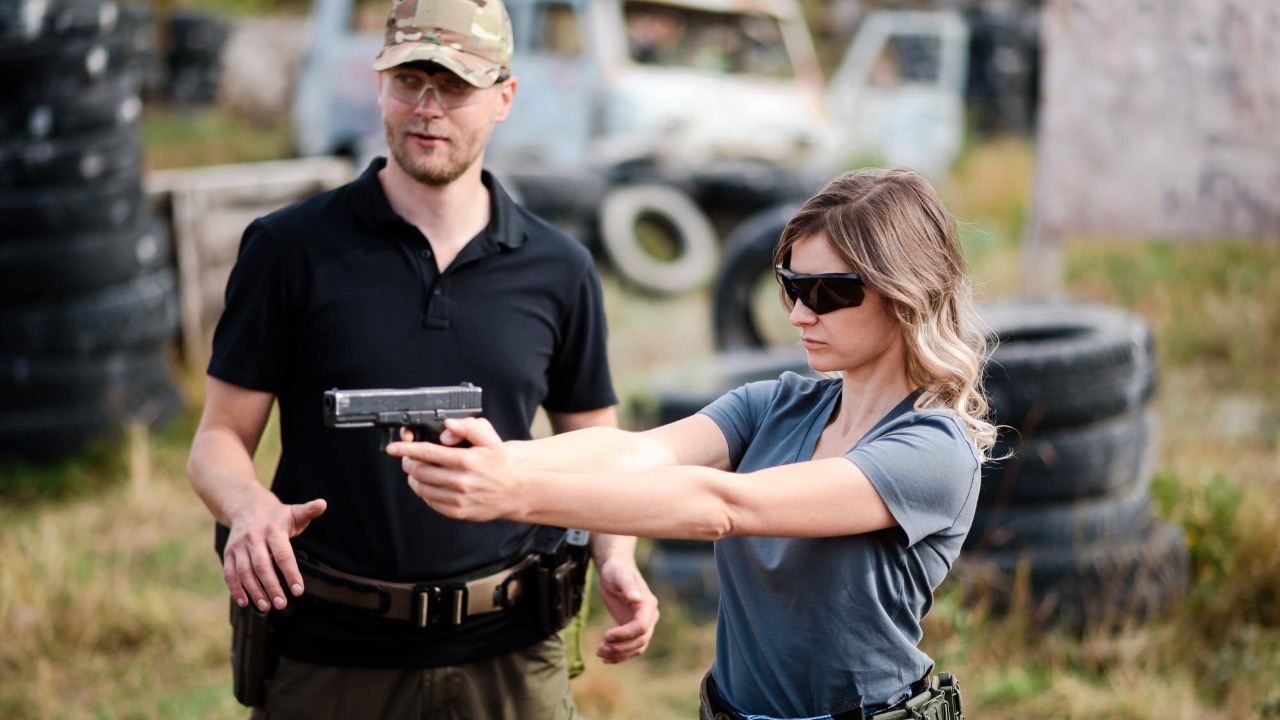
Even when a buyer chooses a reasonable first firearm, another pattern appears. New owners often act as if the purchase itself is the solution. South Carolina Gun School staff describe how many beginners assume that simply owning a firearm is enough, then skip classes and structured practice. They list “Not Getting Proper Training” as one of the biggest errors and connect it directly to unsafe handling, poor performance and legal risk. Their guidance on Common Mistakes Madestresses that professional instruction should cover not just marksmanship, but defensive tactics, situational awareness and law.
Other training-focused resources echo that warning. One detailed breakdown of new owner errors lists forgetting or never learning fundamentals like sight picture, grip, stance and trigger control as a recurring problem. That same set of advice connects skill development to safety, arguing that shooters “always fall back” to the lowest level of training they have mastered. If that baseline is poor, stress will only magnify the problem.
Dry fire practice appears repeatedly in these guides as an underrated tool. South Carolina Gun School highlights “Overlooking the Importance of Dry Fire Practice” as a specific mistake, while a separate set of tips from a major manufacturer offers “top 5 dry fire tips” to build trigger control and sight alignment without live ammunition. The message is consistent: skill does not come in the box with the gun. It is built through structured training, repetition and feedback.
Ignoring safety, storage and the law
At the counter, conversation often centers on caliber and capacity. Safety, storage and legal obligations receive less attention, yet instructors describe those as the pillars that keep a first purchase from turning into tragedy or prosecution. South Carolina Gun School warns that neglecting fundamental safety rules leads directly to accidental discharges, and that ignorance of local, state and federal law can bring serious legal consequences. Their detailed guidance covers concealed carry regulations, transport rules and self-defense law, and urges new owners to seek education before carrying in public.
Safe storage is another area where new buyers tend to cut corners. Liberty Safe’s beginner guide reminds owners that being a gun owner “comes with a lot of responsibility” and that a secure safe or lockbox is part of that responsibility, especially in homes with children. The same source, which appears through a cited source from, points out that buyers should plan storage and access before they even bring a firearm home.
Legal and safety blind spots also show up in ammunition choices. South Carolina Gun School’s extended guidance warns that using ammunition outside its intended purpose can be dangerous, and stresses that self-defense firearms should be loaded with appropriate hollow point, frangible or soft point ammunition to reduce the risk of over-penetration. That level of detail rarely appears in a quick counter conversation, yet it shapes how responsibly a new owner can use the gun from day one.
Letting ego run the counter conversation
A gun shop can be an intimidating place for a beginner. The jargon is thick, the regulars are confident and the stakes are high. That environment tempts new buyers to pretend they know more than they do, or to respond defensively when corrected. One etiquette guide aimed at shop customers warns bluntly that a gun shop “is not” the place for a bad attitude, and urges new shooters not to “go into it with assumptions or a bad attitude” or get angry when staff enforce safety rules. The same piece on gun shop etiquette reminds buyers that staff must treat every gun as loaded and will often insert chamber flags or check actions on arrival.
When ego drives the interaction, buyers stop asking basic questions. They may nod along when a clerk mentions “single action only” or “striker fired” without understanding what those terms mean. They may shy away from asking for a demonstration of how to lock the slide open or verify an empty chamber. Instructors who see the results on the range describe new owners who cannot safely unload their own gun because they were too embarrassed to ask at the counter.
Online communities and training schools both encourage the opposite approach. They urge new buyers to treat the first purchase as a chance to learn. That means admitting ignorance, asking to handle display guns under supervision and being willing to walk away if a shop brushes off safety questions or pressures them into a sale.
How to flip the script at the counter
- Arrive with a written “why.” Self-defense at home, concealed carry, competition or hunting each point toward different platforms and calibers.
- Do homework on reliability and fit, not just brand reputation. One pistol-focused guide warns that “One of the” top errors is buying without research, and that a little study on track record and ergonomics prevents disappointment.
- Plan to rent or borrow. Advice aimed at beginners repeatedly urges them to test several guns at a range, a point reinforced in guidance on how to buy that likens the process to a car test drive.
- Budget for training, storage and ammunition. South Carolina Gun School’s extended advice through a extended guidance urges new owners to think of training and storage as part of the purchase, not optional extras.
- Stay humble at the counter. Ask staff to demonstrate safe handling, from locking the slide open to verifying empty chambers, and treat their corrections as part of the service.
- Resist the urge to accessorize immediately. Run the gun in its basic configuration through a full training class before deciding what, if anything, genuinely improves performance.

Leo’s been tracking game and tuning gear since he could stand upright. He’s sharp, driven, and knows how to keep things running when conditions turn.