
The carry guns instructors quietly regret recommending
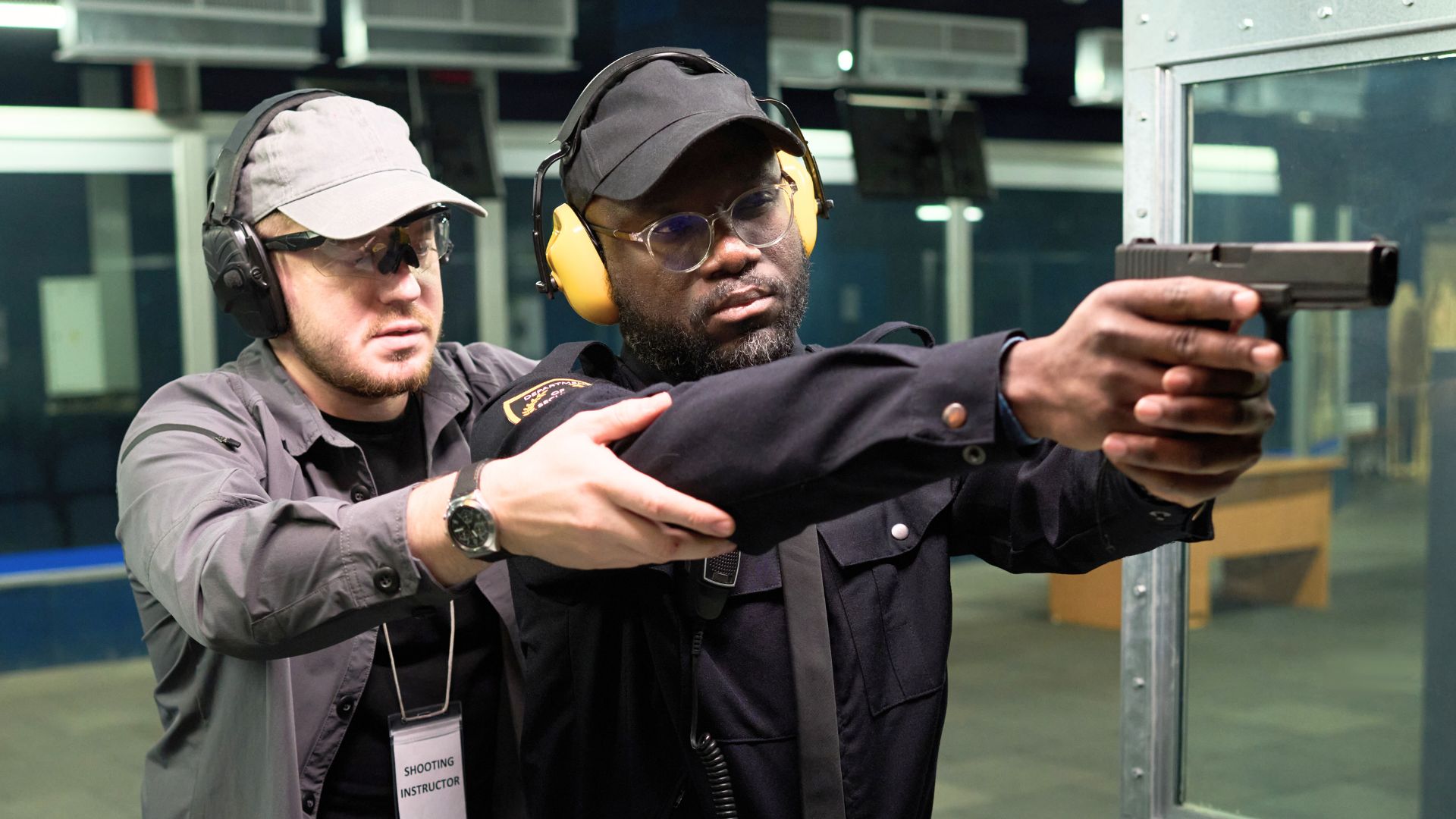
Every firearms instructor has a list of carry guns they suggest to students. Some of these recommendations, while popular or affordable, don’t always hold up under real-world conditions. A pistol’s size, trigger, recoil, and ergonomics play into how confidently you can deploy it. The wrong recommendation can leave a new shooter frustrated or overconfident in a pistol that doesn’t suit them.
These are guns that look solid on paper or in marketing, but in practice, they challenge control, accuracy, or comfort when carrying daily. Even instructors who suggested them know firsthand that performance often falls short of expectations.
Glock 42
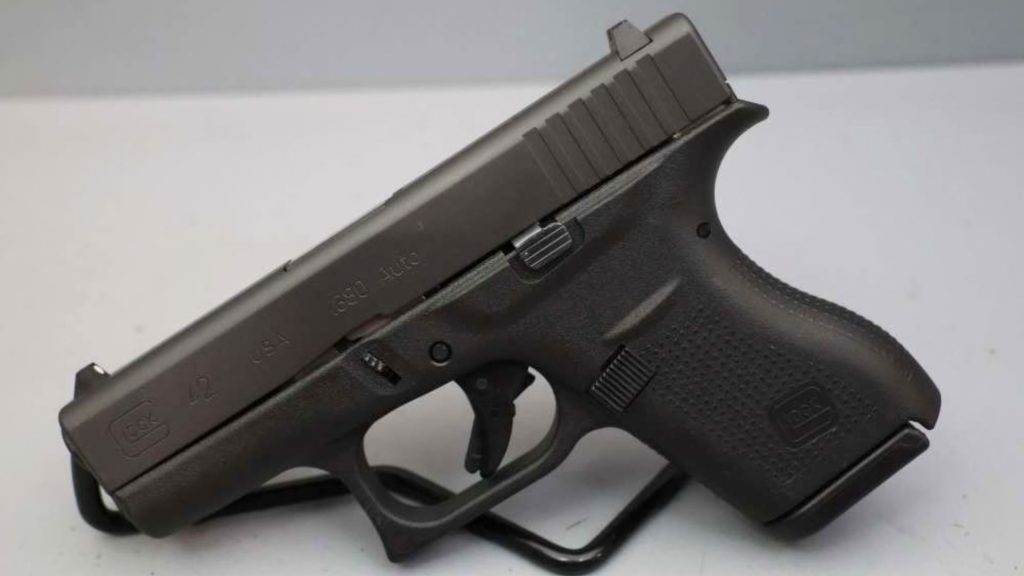
The Glock 42 is often recommended for concealed carry because it’s small and light, but that same compactness can hurt shooting comfort. Recoil is snappy for a .380, and the short sight radius makes accurate follow-up shots difficult.
The slim grip may work for small hands, but larger hands struggle to get a solid hold. While it’s reliable mechanically, many shooters find it fiddly when trying to place rounds consistently. Instructors quietly note that other subcompact options handle recoil and ergonomics better for a beginner or daily carry scenario.
Kahr CW9
The Kahr CW9 is praised for concealability and affordability, yet the lightweight frame and stiff trigger often frustrate shooters. Recoil is sharp, and the short sight radius doesn’t help accuracy, especially under stress.
Ergonomics are decent for small hands but not ideal for everyone. Even experienced shooters feel that consistent groups require extra focus and compensation. Instructors know that while the CW9 carries easily, it can undermine confidence in a new shooter who struggles with trigger control or follow-up shots.
Smith & Wesson M&P Shield 9
The Shield 9 is a popular carry gun recommendation, but its thin grips and long trigger pull can challenge beginners. Recoil management is workable but requires attention to maintain accuracy.
Even with consistent practice, some shooters find it harder to achieve precise shot placement. While mechanically reliable and easy to conceal, instructors quietly note that slightly larger pistols with more ergonomics and grip area often build confidence faster for a first-time carry gun.
Taurus PT111 G2
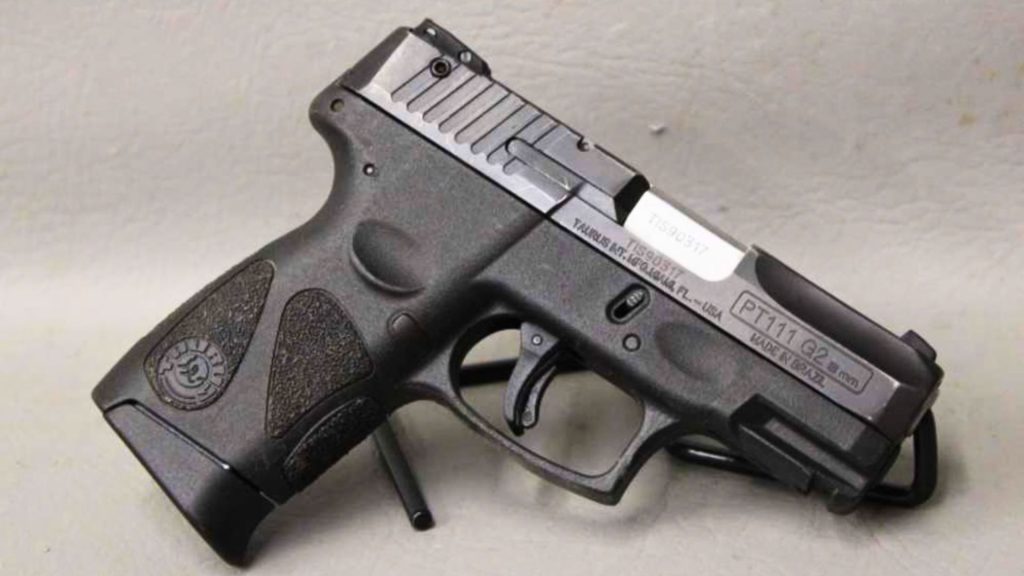
The PT111 G2 is affordable and marketed as reliable, yet its trigger and ergonomics are inconsistent. Long double-action pulls and mushy reset make accurate shooting harder than expected.
The frame and slide design amplify recoil, complicating follow-up shots. While functional, instructors note that its quirks often overshadow its low price, especially for beginners trying to develop good habits with a carry gun.
Ruger LC9s
The LC9s is compact and easy to carry, but the stiff trigger and snappy recoil can make accurate shooting difficult. Short sight radius and small grip area complicate control, especially for larger hands.
While reliable, the pistol demands practice to maintain precision. Instructors often see new shooters struggle with follow-ups and point-of-impact consistency, quietly wishing they’d recommended a slightly larger or more manageable platform for daily carry.
Beretta Nano
The Beretta Nano is slim and designed for concealment, but the trigger and reset can feel vague, affecting shot placement. Recoil is sharp, and the slide can be stiff for smaller hands to manipulate.
Accuracy at anything beyond very close range suffers, and ergonomics don’t favor all shooters. Instructors know that while the Nano hides well, it often requires more time to master than other micro-compact options, which can discourage new carry shooters.
Glock 36
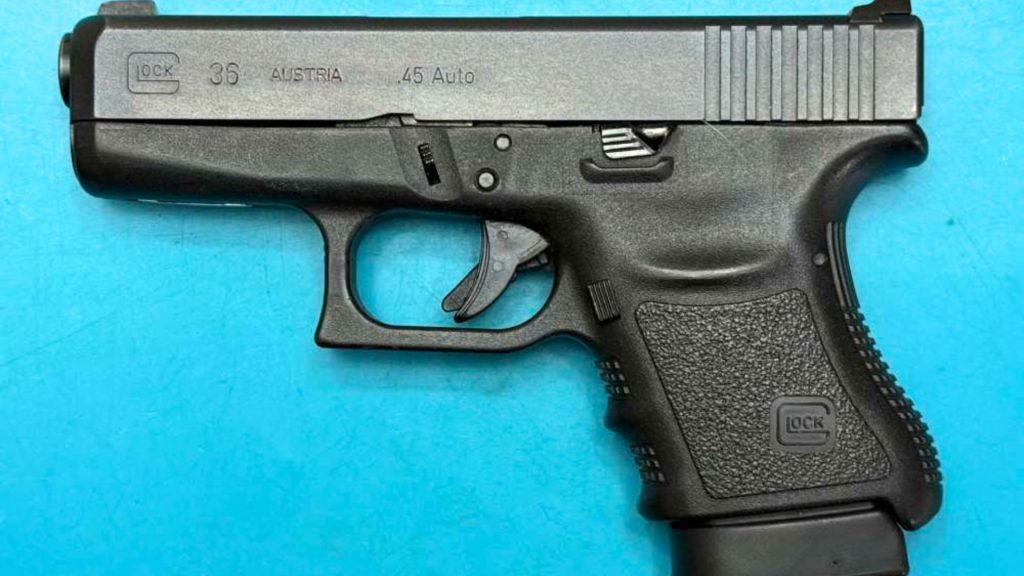
The Glock 36 is slim .45 ACP, which makes it appealing for concealment, but the combination of heavy recoil and long trigger pull complicates accurate follow-ups. Short sight radius compounds the challenge.
While mechanically sound, many shooters find the pistol more difficult to control than expected. Instructors quietly observe that for new carriers, a smaller caliber in a similarly compact platform often builds confidence faster and reduces frustration at the range.
Hi-Point C9
The Hi-Point C9 is ultra-affordable, but its bulk, stiff trigger, and slide ergonomics make consistent shooting tricky. Groups tend to scatter, and follow-up shots require extra effort.
Even for reliable mechanical function, the pistol’s size and trigger characteristics make it less than ideal for carry training. Instructors know that students may overestimate confidence in the gun while struggling with accuracy, making it a questionable recommendation for daily carry.
Springfield XD-S 9mm
The XD-S is compact and concealable, yet trigger take-up and stiff reset can throw off beginner shooters. Short sight radius and snappy recoil make follow-up shots less predictable.
While mechanically dependable, ergonomics don’t suit every hand size, and accuracy can be inconsistent at anything but close range. Instructors often regret pushing this as a top recommendation for new carriers looking for an easy-to-control first pistol.
Kahr PM9

The Kahr PM9 is light and concealable but offers a long, heavy trigger pull and snappy recoil for a small gun. Short sight radius challenges precision, especially under stress.
Ergonomics work for small hands, but larger hands struggle to maintain control. Instructors quietly note that while it carries well, it requires more practice to shoot accurately than similarly sized subcompacts, which can be discouraging for new shooters.
Taurus G2C
The G2C is inexpensive and marketed as beginner-friendly, but trigger characteristics and ergonomics often limit accuracy. Recoil is noticeable, and the grip angle may not suit all shooters.
While reliable mechanically, follow-up shots and precise shot placement take practice. Instructors quietly acknowledge that, despite its popularity, other pistols deliver easier handling, smoother triggers, and better ergonomics for students learning to carry and shoot confidently.
Smith & Wesson Bodyguard 380
The Bodyguard 380 is tiny and easy to conceal, yet the trigger is heavy and inconsistent for precise shooting. Short sight radius and sharp recoil make control more difficult than expected.
Even experienced shooters notice that shot placement at anything beyond close range can be tricky. Instructors know that while it’s pocketable and reliable, a slightly larger .380 or compact 9mm provides a more manageable platform, helping new carriers develop confidence more quickly.

Asher was raised in the woods and on the water, and it shows. He’s logged more hours behind a rifle and under a heavy pack than most men twice his age.


