The guns collectors regret passing up when they were cheap
Every gun collector has a story about the one that got away. A rifle that sat on the rack for pocket change, a pistol that seemed too odd or too plentiful to bother with, a crate of surplus that looked like more hassle than value. Years later, those same guns can command four or five figures, turning casual indifference into lasting regret.
From military surplus classics to low-production oddities, the modern market has turned yesterday’s bargain-bin hardware into serious assets. The patterns behind those missed chances say as much about supply, law and culture as they do about individual choices.
From cheap surplus to blue-chip classics
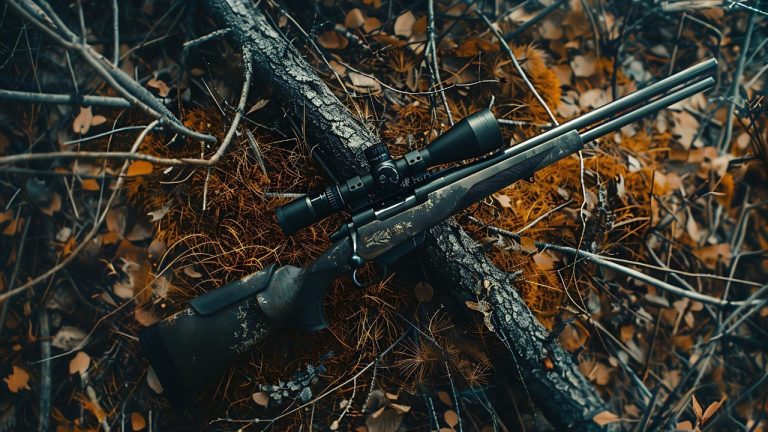
The clearest category of regret centers on surplus rifles that once filled barrels at local shops. Collectors recall how, in the early 1980s, stores like the gun and archery shop called Pony Ex sold imported bolt-actions by the armful. In one discussion, users such as Jan and Hemicrusher describe how these rifles were so common that buyers barely glanced at them, a reminder of how easy it was to walk past history when it looked like scrap metal in a rack linked through what surplus guns.
Now, those same categories of surplus are marketed as collectible heritage pieces. A survey of old gun values highlights how vintage rifles have surged, with demand driven by both nostalgia and limited supply. Once a government stops exporting a pattern, or once importable stocks dry up, the price curve rarely bends back down.
Institutional programs have played a role as well. The Civilian Marksmanship Program, reachable through the main CMP portal, has long funneled rifles from government stocks into civilian hands. For years, M1 Garands and similar service rifles could be had at prices that now look like misprints. As those pipelines narrow, regret grows among shooters who assumed there would always be another batch.
Specific models that haunt collectors
Ask enthusiasts to name a single missed opportunity and the same models surface again and again. In one widely shared conversation, a user recalls passing on a transferable MP5 when it was “only” $10,000 and another admits they passed on one, punctuating the memory with a blunt “Damnit.” The same thread mentions crates of Mosins and an HK P7 that once sat at $600 in the late 1990s, all now far from budget territory.
Surplus semi-automatics tell a similar story. One collector describes an SVT that was tagged at $400, complete with accessories and spam cans of ammunition, and calls it “the worst deal I ever passed up,” a sentiment preserved in a $400 regret. Another mentions an 1895 Lee Navy in respectable condition that appeared once and never again, a snapshot of how rare patterns can vanish from the market.
Modern production pieces also generate long-term remorse. Collector guides list models such as the Colt Python and Mauser K98k as standout performers that hold or grow in value, with best gun investments analysis pointing to limited runs and strong brand recognition. Buyers who dismissed these as just another revolver or bolt-action now face prices that reflect their status as icons.
How ammo costs turned “cheap” into expensive
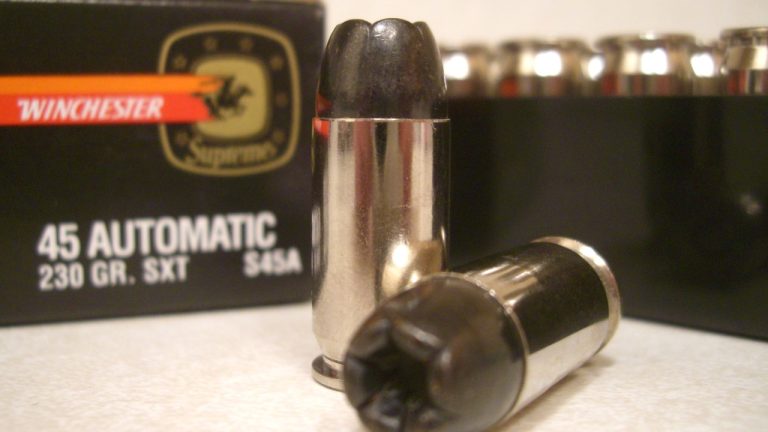
Regret does not stop at sticker price. Ammunition availability has transformed the economics of surplus ownership. In a discussion aimed at beginners, one user bluntly states that there is no such thing as military surplus guns that shoot affordable ammunition anymore, aside from a few narrow cases, and warns that a dollar a round is not unusual. The same thread recommends specific Swiss rifles such as the K11 and even an 1886 from J&G sales, while musing that Turkish Mauser or plain Jane variants may be moot because of ammo costs, a perspective captured in a beginner surplus thread.
For many, the missed chance was not just the rifle itself but pallets of ammunition that once sold for pennies per shot. Collectors now look back on cases of surplus 7.62 or 7.62×54R that seemed endless and cheap, only to see current prices and realize that the real bargain was the consumable, not the steel and wood.
Surplus icons that moved from racks to auction blocks
The market for classic military rifles has shifted from gun show tables to curated auctions. Analyses of gun prices andshow that M1 Garands, K98 rifles and similar service arms have moved firmly into collectible territory. These were once rifles that owners shot without a second thought. Now they are catalog items with lot numbers and estimates.
Contemporary buying guides still list surplus standbys such as Lee Enfield Rifles at $599, Mosin Nagant Rifles at $499, SKS rifles at $589, Swiss K31 at $699 and an M1 Garand at $1949, with one summary even truncating that last figure as $194. Those figures, drawn from a surplus rifle roundup, underline how far the market has climbed from the days when crates of Mosins were treated as disposable training tools.
Gun show footage reinforces the point. A recent clip surveys tables where an M91 Mosen Nagant with a refinished stock is described as looking nice, yet the narrator questions whether the price is justified, a sentiment visible in a gunshow prices short. The fact that a once $100 rifle now sparks debate at several times that level is its own commentary on how collector expectations have shifted.
Low-production oddities that quietly exploded in value
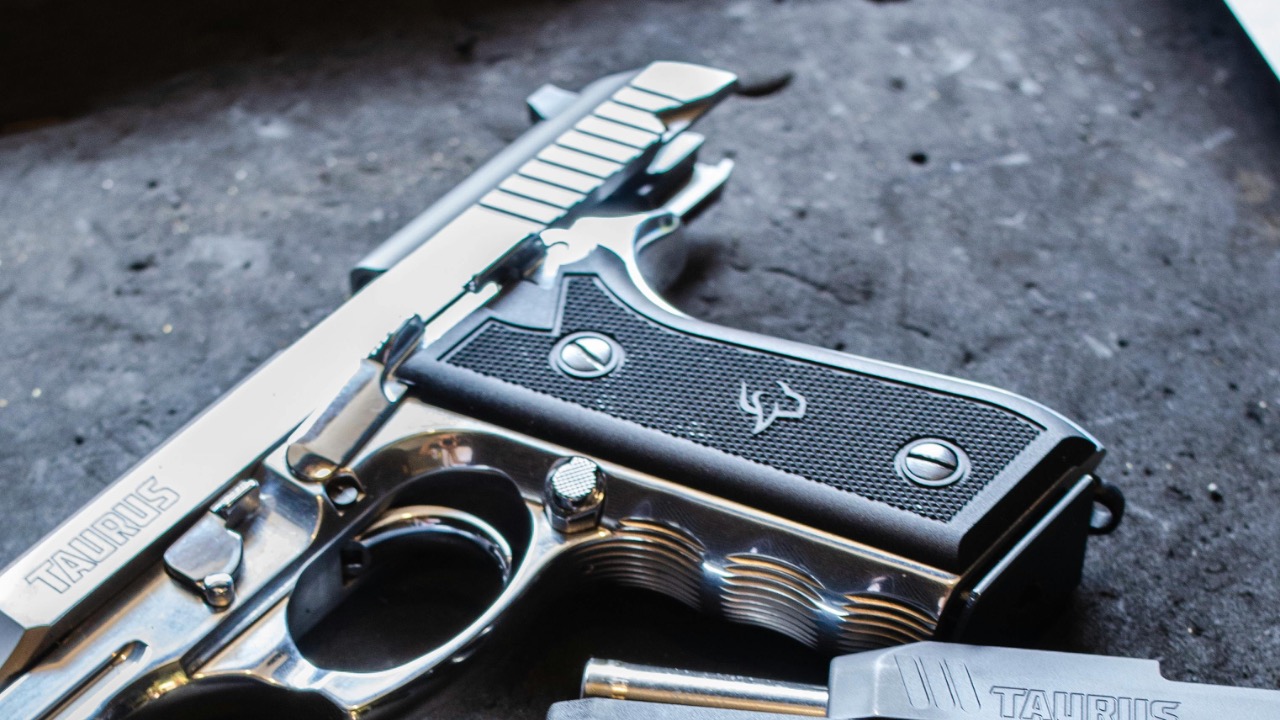
Not every regret involves a famous service rifle. Some of the most painful stories center on low-production pistols and target guns that looked quirky rather than historic. Retail analysis points out that very low production guns such as Walther GSPs and H&K P7s are gaining significant valuation increases, a trend highlighted in a discussion of how very low production models behave on the used market.
These pistols once languished in cases because they were heavy, odd looking or chambered in niche calibers. Today, the same quirks read as character. The HK P7 that sold for $600 in the late 1990s now stands as a textbook case of a gun that many owners sold or skipped, only to watch prices climb as supply dried up and word of mouth spread.
Why collectors misjudge future classics
Across these examples, a few themes recur. First, abundance breeds complacency. When racks are full of similar rifles, buyers assume they will always be available. That assumption collapsed as import rules shifted and as exporting nations ran out of stock, a pattern documented in surveys of readily available surplus that warn the days of inexpensive American surplus are coming to a close.
Another recurring lesson is that many buyers focus on initial purchase price rather than the total ecosystem. Rifles that seemed expensive because of proprietary ammunition, or pistols that required unusual magazines, looked like headaches. Once those obstacles became part of the charm, and once supplies stopped growing, scarcity flipped the equation.
Policy also plays a role that collectors often underestimate. The finite pool of transferable machine guns, which includes the MP5s that inspired so much regret, is locked in place by law. No amount of demand can create new supply. That structural cap turns every missed chance into a permanent one.
Lessons for the next generation of buyers
For newer collectors, the stories from Jan, Hemicrusher and others serve as more than nostalgia. They function as a caution against assuming that today’s common rifles will stay cheap. Modern discussions already point out that there is no such thing as truly inexpensive surplus ammunition anymore, and that a dollar a round is becoming a baseline for some calibers. Those signals suggest that the next wave of regret may involve current imports that feel overpriced now but will look like bargains once the crates are gone.

Leo’s been tracking game and tuning gear since he could stand upright. He’s sharp, driven, and knows how to keep things running when conditions turn.