The hidden risks of hiking alone in predator country
You can cover a lot of ground alone. No noise, no compromises, no one slowing you down. That’s part of the draw. But when you step into country that holds predators, being alone changes the math in ways people don’t always think through.
Most days, nothing happens. Predators avoid you, you finish your miles, and it’s a good trip. The risk isn’t constant—it’s situational. And when something does go sideways, there’s no backup. That’s where small decisions start to matter more than you expect. Here’s where those hidden risks tend to show up.
You’re Easier to Read Than You Think
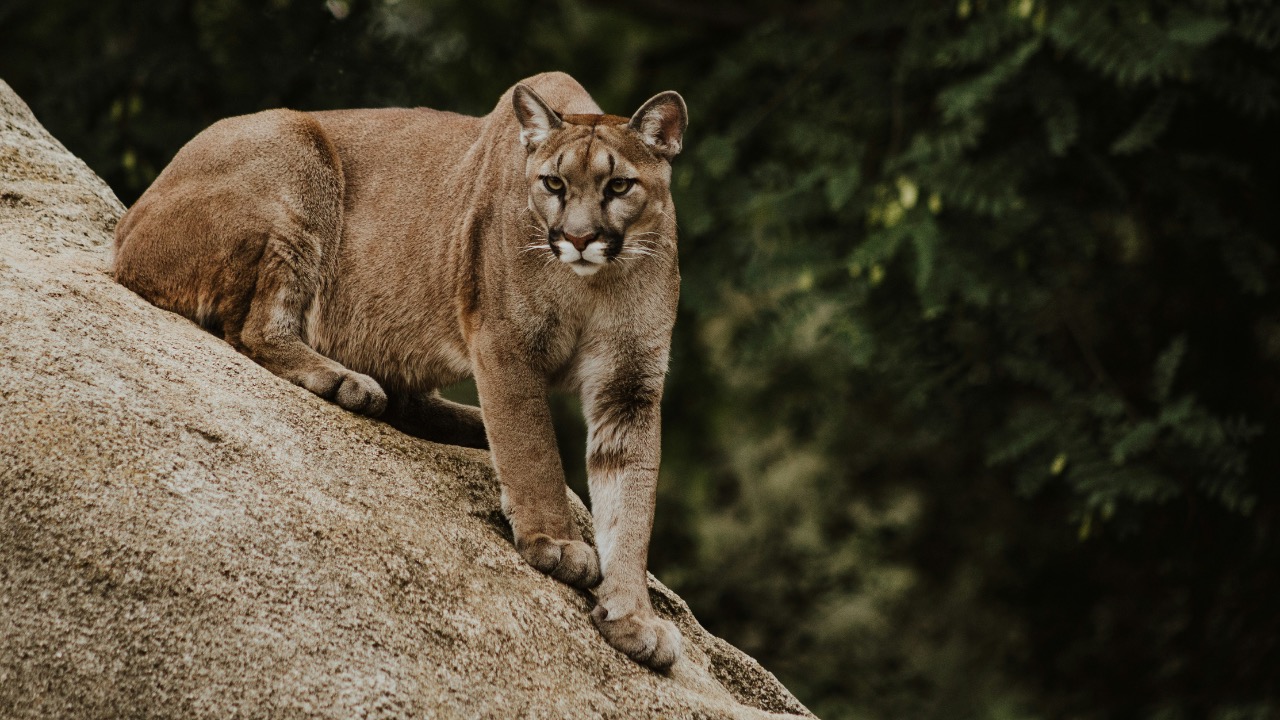
Predators survive by reading movement, posture, and intent. When you’re alone, everything you do stands out more. There’s no group noise, no shifting conversation—only you moving through the woods.
That makes you easier to track, especially for animals used to keying in on isolated movement. A lone hiker stopping often, moving quietly, or traveling at dawn or dusk can look a lot like prey behavior. You may not feel exposed, but to a predator, your pattern can stand out in a way that wouldn’t happen with two or three people moving together.
Noise Discipline Works Against You
You’ve probably been taught to move quietly in the woods. That makes sense for hunting. It doesn’t always translate the same way in predator country.
Making some noise—talking, clapping, even the steady rhythm of boots—helps animals identify you as human. Alone, it’s easy to fall into long stretches of silence. That increases the odds of surprising something at close range. Most defensive attacks happen fast and close, not at distance. Giving animals a heads-up that you’re coming can prevent those sudden encounters that put you on the back foot.
You Have No Second Set of Eyes
A partner catches things you miss. Tracks in soft dirt. Fresh scat on the trail. Movement slipping through timber off your flank. Alone, you’re relying on one set of eyes and one angle of awareness.
Fatigue makes that worse. As the day wears on, your attention narrows. You start focusing on the trail instead of the surroundings. That’s when you miss signs that would’ve told you something was nearby. Predators don’t need many openings. Missing one clue can be the difference between spotting an animal early and walking into it without warning.
Injuries Turn Into Bigger Problems Fast
In normal hiking conditions, a twisted ankle is a hassle. In predator country, it can become a serious situation. You’re slower, louder, and less able to respond.
Being alone removes your margin for error. There’s no one to help you move, no one to keep watch while you deal with the problem. If you’re immobilized, you’re also stuck in place longer, which increases exposure to everything around you. The risk isn’t that predators are waiting on injured hikers—it’s that your ability to manage any situation drops sharply when you’re hurt and alone.
Food and Scent Travel Farther Than You Expect
What you carry leaves a trail. Food, wrappers, even the scent on your hands—it all moves on the wind. Alone, you’re the only source of that signal.
If you stop to eat and linger, you’re concentrating scent in one place. In areas with bears or other large predators, that can draw attention. It’s not an automatic problem, but it raises the odds of an animal checking things out after you’ve passed through—or while you’re still there. Managing food, packing it properly, and limiting how long you stay in one spot matters more when you don’t have others around.
Dusk and Dawn Work Against You
Those low-light windows are when many predators are most active. They’re also popular times to hike because of cooler temperatures and better light.
Alone, your visibility drops right when animal movement increases. Shadows stretch, depth perception gets worse, and it’s harder to read what’s ahead of you. That combination shortens your reaction time. If something steps onto the trail or moves in thick cover nearby, you’re making decisions faster and with less information than you would in full daylight.
Your Response Time Is All You Have
When something happens, there’s no delay for discussion. You react, or you don’t. That puts pressure on how prepared you are before you ever hit the trail.
Carrying deterrents, knowing how to use them, and having them accessible—not buried in a pack—makes a difference. So does understanding animal behavior well enough to read a situation early. Alone, there’s no one to fill gaps in your response. Whatever you bring in terms of awareness and preparation is what you’ll have to rely on if things turn serious.
Predators Aren’t the Only Risk—but They Change the Stakes
The odds of an actual attack are low. Weather, terrain, and navigation mistakes are still more common problems. But predators raise the stakes when something else goes wrong.
If you’re lost, injured, or forced to stay out overnight, your situation shifts. You’re no longer moving through the landscape—you’re part of it for a while. That’s when awareness matters most. Understanding how predators use terrain, where they travel, and how they respond to human presence gives you an edge you won’t get any other way.
Hiking alone in predator country isn’t reckless if you know what you’re doing. But it’s not forgiving either. You’re trading convenience and solitude for responsibility. Handle that trade the right way, and you’ll cover ground safely. Take it lightly, and the margin for error gets thin fast.

Asher was raised in the woods and on the water, and it shows. He’s logged more hours behind a rifle and under a heavy pack than most men twice his age.