The largest wolf ever recorded — and how big it really was
Hunters, hikers, and armchair biologists all love to swap stories about giant wolves, the kind that look like they could tip a pickup scale. The internet is packed with photos of men holding up shaggy gray bodies and captions claiming new world records. When you start digging into the numbers, though, a clearer picture emerges of how big wolves really get, what counts as verified, and where tall tales begin.
I want to walk through the hard measurements behind the largest wolves on record, how those outliers compare to an average pack animal, and what prehistoric “wolves” like dire wolves and Epicyon would look like beside a modern gray. The result is less dramatic than some viral posts, but the reality is still impressive enough to make you think twice the next time you cut a fresh elk track in wolf country.
What “largest wolf ever” actually means
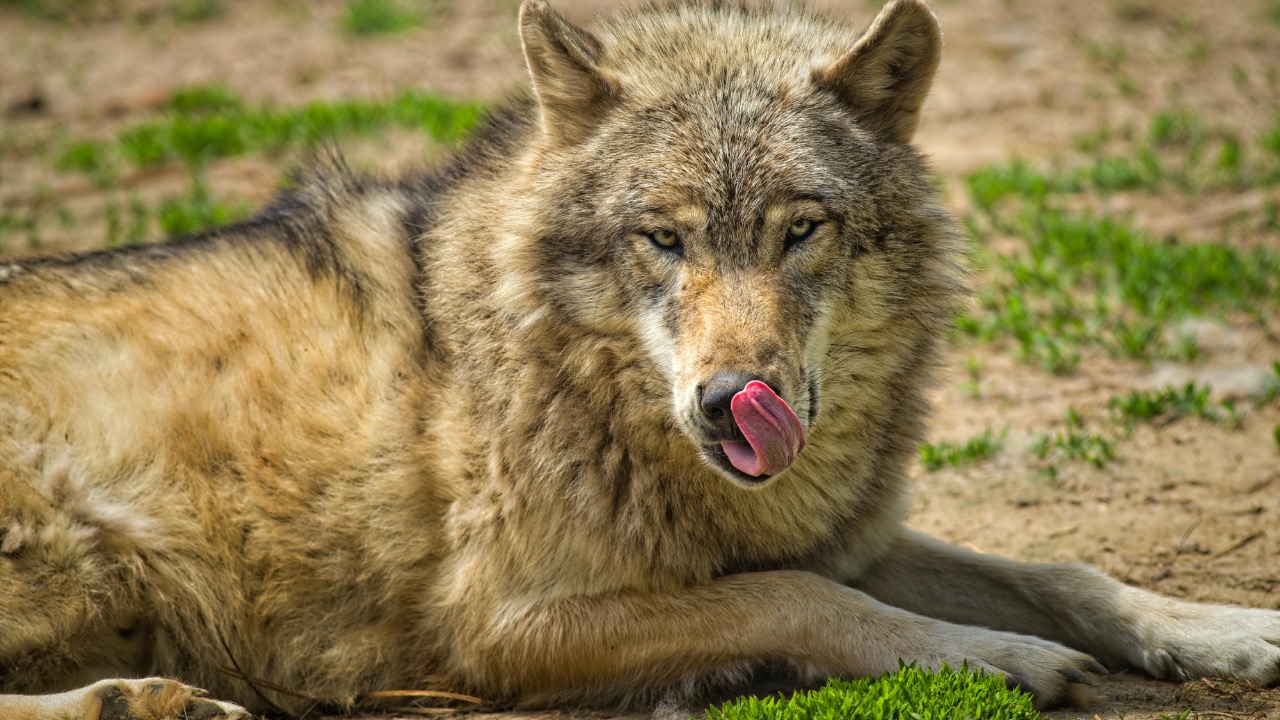
Any time someone claims a record animal, the first question I ask is simple: was it weighed on a real scale, and who was there to see it. With wolves, that matters even more, because a big male can look enormous in a photo, especially when the carcass is held close to the camera or hung at an angle. Biologists who collar and handle wolves for a living are careful about this, and they point out that wolf weight depends heavily on when and what the animal last ate. A wolf that has just gorged on a moose carcass can be carrying a gut full of meat that adds a surprising amount to the scale.
That is why serious records focus on animals that were weighed with some documentation, not estimates shouted across a skinning shed. In Alaska, where some of the heaviest gray wolves live, wildlife staff have long tracked body size and note that the biggest numbers often come from animals with distended stomachs. When I look at claims about the “largest wolf ever,” I separate three buckets: verified weights from biologists or trappers using scales, plausible but poorly documented numbers, and pure internet legend. Only that first group really tells us how big a wolf can get.
How big a normal wolf really is
To understand an outlier, you need a baseline. In Alaska, the average weight for an adult male wolf is given as about 100 to 110 pounds, while females average about 90 pounds. Those are mature, wild animals that spend their lives running down caribou and moose, not pampered dogs on a couch. Biologists also note that the heaviest wolves in a pack tend to be the breeding pair, and even those animals usually fall in that 100 to 110 pound window.
That same range shows up in broader gray wolf research. One summary of wolf biology and notes that the average gray wolf weighs 100 to 110 pounds, with some males pushing higher and a reintroduced wolf from Canada recorded at 130 pounds. When you hear someone in the Lower 48 swear they saw a 180 pound wolf, it is worth remembering that most documented adults are far closer to that 100 pound mark than to 150.
The heavyweight champions of modern wolf subspecies
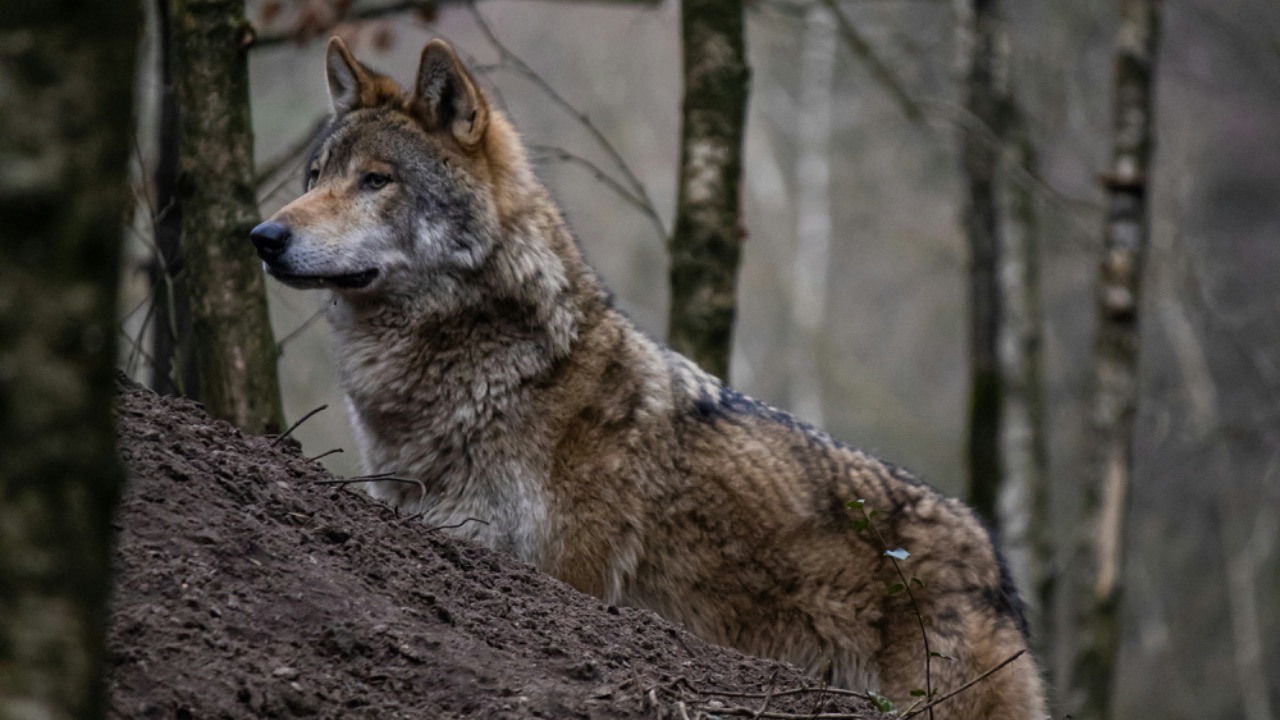
Within that overall gray wolf picture, some subspecies are simply built bigger. Lists of the largest wolves in the world consistently put the Northwestern wolf, also known as the Alaskan timber wolf, at the top. These animals, Canis lupus occidentalis, dominate much of western Canada and Alaska and are the same general type that was used to restore wolves to Yellowstone and central Idaho. They have long legs, deep chests, and big heads that make them look even heavier than the scale suggests.
Other regional types can be impressive but usually do not match those northern bruisers. The same rundown that ranks the Northwestern wolf also notes the Himalayan Wolf, pointing out that The Himalayan wolf is listed as Endangered by the IUCN and illustrated with a photo credited to Ativ Srivastava via Shutterstock. Those high country wolves are tough, but the real mass monsters still tend to come from the boreal forests and tundra where big prey and long winters favor heavier bodies.
Alaska’s 149‑pound giant and what it tells us
Earlier this winter, trappers near Fairbanks sent around a photo of an enormous black wolf that had everyone talking. The animal was eventually weighed at 149 pounds, putting it in the running as one of the heaviest modern wolves with a documented scale reading. Coverage of that catch notes that the largest wolf referenced in Denali National Park weighed 135 pounds, while typical adults there are closer to 105 pounds, which shows how far out on the curve a 149 pounder really sits.
The same story was echoed in another report that also traced the message back to a local Fairbanks trapper. Both accounts stress that this was one of the biggest wolves ever recorded in Alaska, not an everyday occurrence. When I compare that 149 pound mark to the 100 to 110 pound average for males, it lines up with what biologists have said for years: most wolves never sniff 150 pounds, and when they do, it is newsworthy.
Facebook’s 230‑pound claim and the problem with viral records
On social media, the numbers get even wilder. A widely shared post shows a hunter posing with a huge gray wolf and the caption, “Here is the largest wolf ever killed it weighed in at 230 lbs and was taken in Drayton Valley, Alberta back in 2012.” That claim appears in a group post that repeats the line about Here being the largest wolf ever killed and credits the image to Daniel Anton. A separate page shares the same photo and wording, again insisting the animal weighed 230 lbs and came from Drayton Valley, Alberta.
In the comments on one of those posts, a user named Mark Sutton trades barbs with someone he calls the Keyboard Coward, defending the story. What is missing from all of it is any independent verification: no scale photo, no biologist, no check station record. Unverified based on available sources. When I stack that 230 pound claim against the heaviest documented wolves around 149 to 150 pounds, it looks far more like internet folklore than a real data point, and it shows how quickly “largest ever” language can get away from the facts.
Why stomach contents and timing can fake a record
Even with honest measurements, timing can inflate a wolf’s apparent size. Wildlife staff in Alaska have written that Wolf Weight Depends, describing a tagged female that packed away a huge meal and saw her weight jump accordingly. That same principle shows up in coverage of the big Fairbanks wolf, where Some of the largest wolves known to have been weighed had stomachs full of recently eaten meat. A gut like that can add dozens of pounds and make a big wolf look gargantuan.
Biologists in Colorado have been making the same point as new wolves arrive there. In one discussion of reintroduced animals, a state expert notes that “weights of animals variable depending on several factors, including time since the last meal,” and that Several of the wolves weighed there had been tranquilized after feeding, which would naturally push the numbers up. Another rundown of the largest wolves points out that One important note is a wolf caught in 1939 with a full stomach, and that Wolves rarely exceed 150 pounds except in exceptionally rare circumstances. All of that lines up with what I have seen in the field: a wolf fresh off a kill can look like a different animal than the same wolf a few days later.
Yellowstone’s big males and how they compare
Outside Alaska and northern Canada, Yellowstone is probably the best place in North America to look for big, well documented wolves. In Yellowstone National Park, a male known as 495M was fitted with a tracking device as part of a long running project. Reports on that work note that some large male wolves there can reach 227 pounds, although the context and verification of that upper figure are not fully detailed in the summary. A second reference to the same Yellowstone discussion again highlights that Yellowstone National Park some males have been recorded at that same 227 pound mark.
Those numbers, if taken at face value, would put a few Yellowstone males in the same weight class as the most extreme claims from Alberta and well beyond the 149 pound Fairbanks wolf. At the same time, they sit awkwardly beside the consistent message from other sources that wolves over 150 pounds are exceptionally rare. Without more detail on how those Yellowstone weights were taken, I treat them as interesting outliers that may involve full stomachs or different measurement methods. They do, however, reinforce the basic point: when conditions are right and genetics line up, a gray wolf can grow into a serious chunk of dog.
Dire wolves, Epicyon, and the prehistoric “wolves” that dwarf today’s packs
Modern gray wolves are impressive, but they are not the biggest canids to ever walk the planet. The extinct dire wolf has been pulled back into the spotlight by cloning efforts and pop culture, and it is often portrayed as the ultimate prehistoric wolf. In reality, dire wolves were stockier than modern grays, and some reconstructions suggest they could reach 200 pounds or more, according to one analysis of the Dire wolf. That is big, but still in the same ballpark as the most extreme modern gray wolf claims.
Then there is Epicyon haydeni, which some researchers describe as a Canine Titan Even a Dire Wolf. One write up calls Epicyon a Canine Titan Even Bigger Than a dire wolf and notes that the digestive system of Epicyon haydeni could break down bones, painting a picture of a predator that would make even a 150 pound gray wolf look modest. Another comparison of dire wolf size notes that these animals lived in an age when megafauna like woolly mammoths and sabertooth cats were common, and that some dire wolves could grow as heavy as a baby grand piano in mass comparisons. Those prehistoric heavyweights remind me that even our biggest modern wolves are middleweights in the long history of canids.
So what is the largest wolf ever recorded?
When I put all of this together, the most defensible answer is that the largest modern gray wolves with solid documentation fall in the 140 to 150 pound range, with the 149 pound On Dec Fairbanks wolf sitting right at the top of that pile. Earlier records from Alaska mention a “very large male” collected in the 1930s that weighed 175 pounds, and that very large male is often cited as a benchmark, but even there, biologists caution that males are only about 2 pounds larger than females on average and that stomach contents can skew the numbers. The Yellowstone references to 227 pound males are intriguing but sit so far outside the rest of the data that I treat them with caution until more detail surfaces.
On the flip side, the Facebook claims of a 230 pound wolf from Drayton Valley, Alberta, and similar viral posts have no independent backing beyond captions and comments. Unverified based on available sources. When you strip those away and focus on animals that were actually weighed, the picture is consistent: most adult male gray wolves are around 100 to 110 pounds, a few exceptional individuals push into the 130s, and only a tiny handful ever approach 150. That might not match the wildest campfire stories, but if you have ever stood on a frozen river and listened to a pack of 100 pound wolves light up the night, you know they do not need inflated numbers to be impressive.

Asher was raised in the woods and on the water, and it shows. He’s logged more hours behind a rifle and under a heavy pack than most men twice his age.