The Most Overhyped Hunting Rounds of the Decade
Every decade produces a handful of cartridges that arrive with big promises. Flatter trajectories, harder hits, longer range, better everything. On launch, they dominate headlines and campfire talk. For a while, it feels like you’re behind the curve if you’re not shooting one.
Then seasons pass. Real animals replace charts. Wind, angles, recoil, and barrel life start mattering more than marketing language. Some of these rounds work fine. A few work very well. But “very good” isn’t the same thing as revolutionary. These are hunting cartridges that were talked up hard this decade, then settled into much narrower roles once hunters put them to work.
6.5 PRC
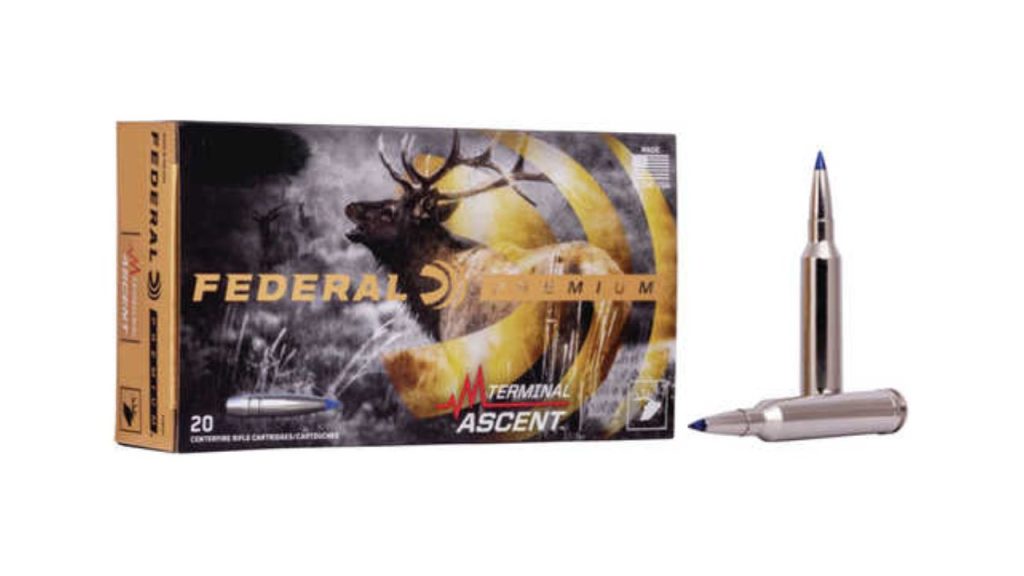
The 6.5 PRC was pitched as the modern fix to the 6.5 Creedmoor’s limitations. More speed, more energy, better performance on bigger game. On paper, that all checks out.
In the field, the difference is smaller than advertised for most hunters. Recoil jumps, barrel life drops, and real-world gains show up mostly at distances many hunters rarely shoot. Inside typical hunting ranges, animals don’t react differently. The PRC works, but it doesn’t transform outcomes the way the hype suggested. It’s a specialist upgrade, not a necessity.
28 Nosler
The 28 Nosler arrived with serious fanfare. High velocity, flat trajectory, and long-range authority made it sound like the future of western hunting.
Reality brought tradeoffs. Barrel life is short, recoil is stout, and rifles tend to be heavier than many hunters want to carry all day. Wind performance is good, but not magic. It kills effectively, but so do many less demanding cartridges. The 28 Nosler shines at long range, yet for most hunters it offers more cost and maintenance than practical advantage.
26 Nosler
The 26 Nosler leaned even harder into speed. It promised extreme reach and minimal drop, appealing to hunters chasing distance.
That speed comes at a price. Throat erosion is fast, recoil is sharp, and load tuning can be finicky. In real hunting scenarios, shot opportunities rarely justify the cartridge’s extremes. Animals don’t care how fast the bullet arrived if placement is good. The 26 Nosler works exactly as designed, but the design itself fits a very small slice of real-world hunting.
224 Valkyrie
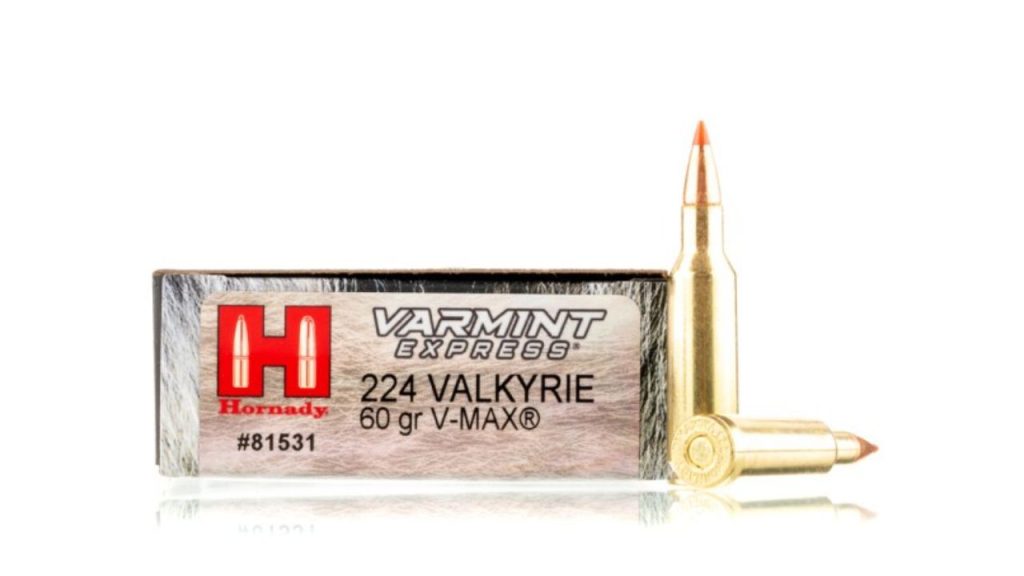
The .224 Valkyrie generated enormous buzz early on. Long, sleek bullets and extended range potential made it sound like a crossover solution for predators and deer-sized game.
Field use cooled that excitement. Velocity didn’t always meet expectations from hunting-length barrels, and terminal performance on game proved inconsistent. Wind drift advantages weren’t as dramatic as hoped. It’s capable within limits, but those limits arrived sooner than many buyers expected. The Valkyrie ended up being far more niche than its early reputation suggested.
350 Legend
The 350 Legend exploded in popularity due to straight-wall regulations. It was marketed as a do-it-all solution for restricted states.
Inside its design window, it works. Step outside that window, and limitations appear quickly. Trajectory drops fast, wind becomes a problem, and range stays short. The hype suggested broad versatility. Reality delivered a purpose-built tool. That’s not a failure, but it’s a reminder that regulation-driven popularity doesn’t equal universal performance.
224 Creedmoor
The .224 Creedmoor promised extreme velocity with high-BC bullets, aimed at hunters who wanted laser-flat performance.
In practice, it struggled to find a clear role. Barrel life suffers, recoil isn’t trivial for the bore size, and terminal performance on game doesn’t always justify the tradeoffs. It’s impressive on steel and paper. On animals, it doesn’t separate itself enough from more forgiving options. The concept worked. The application stayed narrow.
6mm ARC
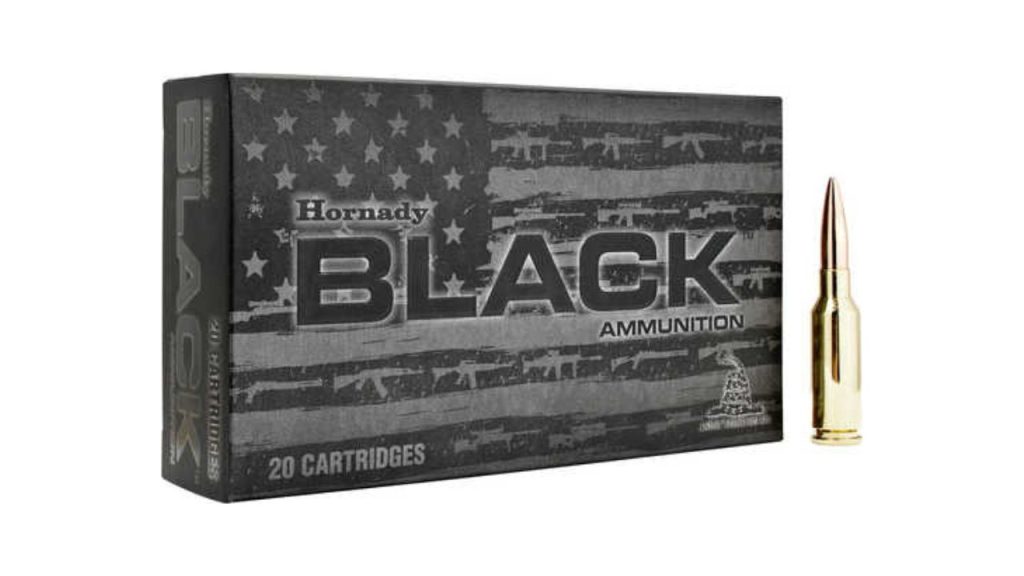
The 6mm ARC gained attention as a more capable alternative to small-bore AR cartridges. Good bullet selection and reasonable energy made it appealing for light hunting.
Expectations ran ahead of reality. Velocity limits show up quickly, and performance drops faster than many expected at distance. It’s effective on appropriate game, but it doesn’t scale as well as the hype implied. The ARC is useful, just not transformative. It fits a role rather than replacing others.
300 PRC
The 300 PRC was introduced as a cleaner, more efficient evolution of .30-caliber magnums. On paper, it fixed problems shooters didn’t like about older designs.
In the field, it performs well, but the gains are incremental. Recoil remains heavy, rifles stay large, and most animals don’t reveal the difference. It’s an excellent long-range cartridge, but for typical hunting distances, it doesn’t dramatically outperform established options. The hype suggested a leap. The reality delivered a step.
Overhyped doesn’t mean bad. It means expectations outran experience. Most of these cartridges work exactly as designed. They just don’t rewrite hunting the way the marketing made it sound.

Leo’s been tracking game and tuning gear since he could stand upright. He’s sharp, driven, and knows how to keep things running when conditions turn.