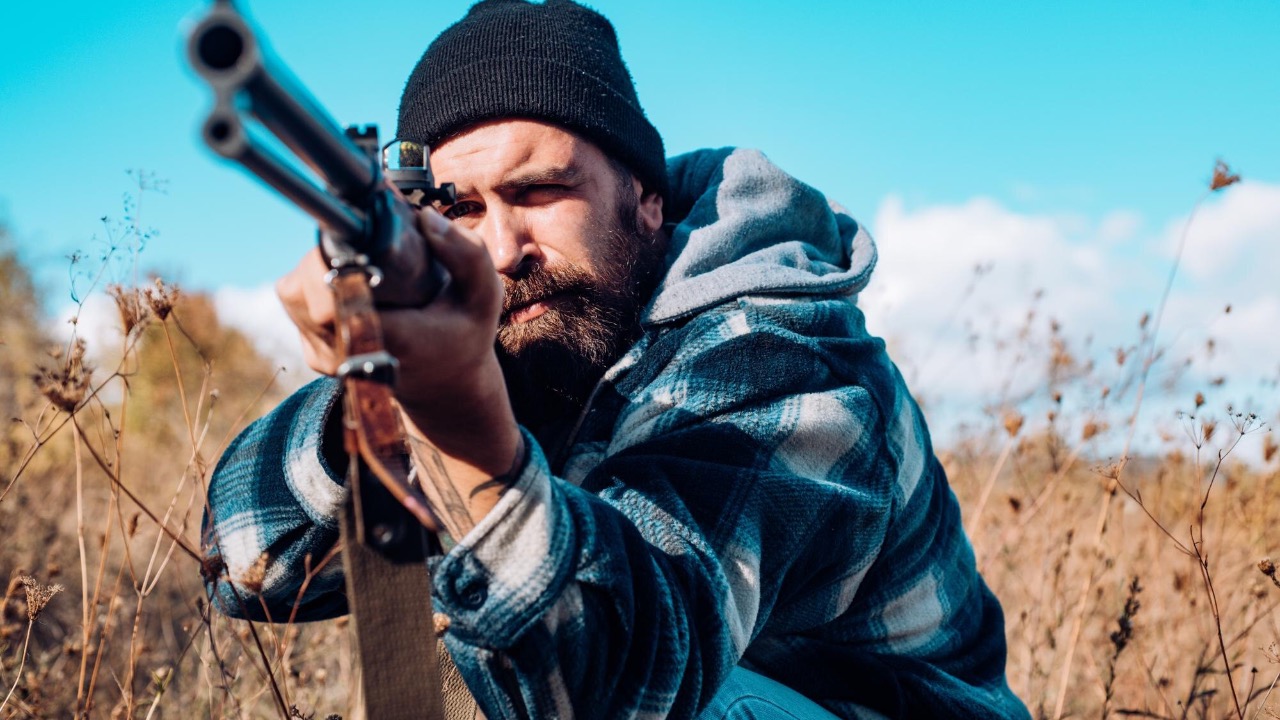
The real reasons hunters miss easy shots
Even the most seasoned hunter eventually walks out of the woods replaying a miss that should have been a chip shot. The animal was broadside, the range was known, the conditions were manageable, yet the bullet or arrow went somewhere else. The real reasons those “easy” opportunities slip away are rarely about bad luck and far more about predictable patterns in how people see, think, and move when it is time to break the shot.
When I look across rifle and bow seasons, the same culprits keep surfacing: flinching at the moment of truth, sloppy fundamentals that creep in under pressure, poor visual information, and a mental game that unravels just when it matters most. Understanding those patterns, and treating each miss as data instead of disaster, is what separates hunters who keep repeating the same mistakes from those who quietly start filling more tags.
Why “easy” shots are not actually easy
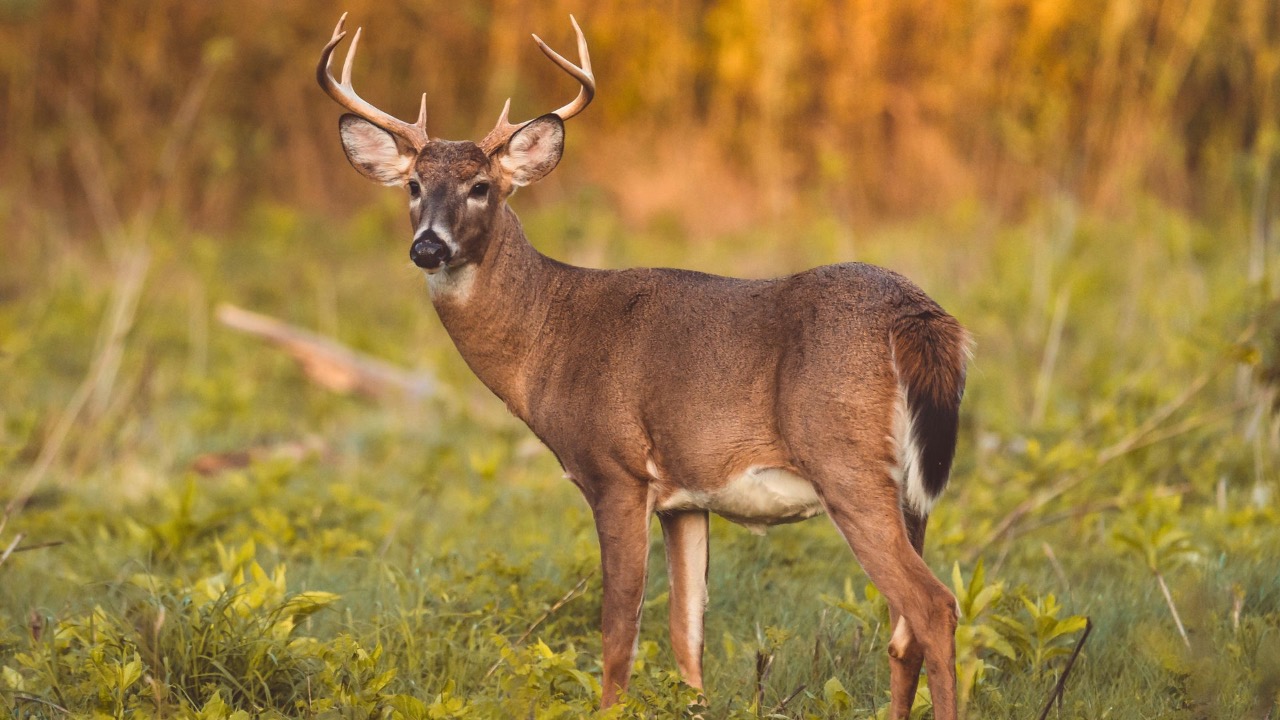
On paper, a broadside deer at modest range looks simple, but the field is never a shooting bench. Real hunts stack moving parts: shifting wind, uncertain distance, awkward body positions, and animals that can bolt or change angles in a heartbeat. Research on Hunting simulations has underscored how much cognitive load a hunter carries at once, from reading terrain and weather to tracking other people’s locations and planning a safe exit route if conditions turn. That complexity means the shot is only one decision in a chain, and any distraction or misjudgment earlier in the sequence can echo into the moment you squeeze the trigger or release the string.
There is also a gap between controlled practice and messy reality. Many hunters drill from flat ground at known distances, then expect those skills to transfer perfectly to a steep hillside, a cramped treestand, or a rushed window through brush. When the environment changes, so does the way your body balances, how your eye picks up the sight picture, and how your brain processes risk. The “easy” shot is often just the one that looks simple in hindsight, after the adrenaline has faded and the animal is gone.
Flinching, recoil, and the mechanics of a bad trigger pull
Physically, one of the most common reasons a hunter misses a straightforward opportunity is flinching. Anticipating recoil or noise causes the body to tense and the muzzle to dip or jerk just before the shot breaks, which can send a bullet inches or even feet off target. Detailed breakdowns of rifle misses describe how flinching is frequently caused by a shooter bracing for impact instead of focusing on a smooth trigger pull sequence, especially when shooting from unfamiliar positions or with a gun that feels punishing.
Trigger control problems do not stop at flinching. Hunters often slap or jerk the trigger once the crosshairs or pin drift across the vitals, trying to “time” perfection instead of pressing steadily. Analyses of common causes of misses list Cause No 4 as jerking the trigger, noting that novice Shooters tend to think they can snatch a perfect sight picture in an instant, when in reality that movement yanks the muzzle off line. Overcoming that habit requires deliberate practice with light recoiling setups, dry fire, and a conscious focus on letting the shot surprise you rather than forcing it.
Bowhunters’ blind spots: sight picture, distance, and body position
For bowhunters, the physics are different but the underlying errors are familiar. Many misses that feel inexplicable come down to a poor sight picture, misjudged yardage, or a rushed anchor. Detailed rundowns of archery mistakes emphasize that POOR SIGHT PICTURE can sabotage even a well tuned bow, because You might float the wrong pin, cover too much of the animal with the housing, or fail to settle fully before releasing. When the target is a live deer instead of a foam block, the temptation to “get it done” quickly often overrides the disciplined routine that works in the backyard.
Distance and body position compound those visual issues. Bowhunters who practice at a single range can be caught off guard when a deer stops closer or farther than expected, or when they have to twist around a tree to find a lane. One candid account from a hunter who said, “I practice at 30 mostly so I was confident in my ability to shoot,” described how that routine did not prevent a miss when the shot angle and pressure changed, leading them to ask how to get as close as possible without giving themselves away in a Nov thread titled “Last two years, I’ve shot one arrow each time.” That kind of real world experience mirrors broader reporting that stresses the need to practice from treestands, on uneven ground, and at varied distances so the body knows how to hold form when the shot is not textbook.
Adrenaline, “buck fever,” and the mental side of the miss
Even when fundamentals are solid, the brain can unravel a shot faster than any mechanical flaw. Hunters often describe “buck fever” as a sudden surge of adrenaline, tunnel vision, and racing thoughts that make it hard to breathe, range, or even remember to take the safety off. Detailed breakdowns of archery failures note that while equipment problems exist, There are “obvious issues” like buck fever that cause people to rush the shot, forget to pick a specific hair, or fail to notice that the deer has slightly quartered away. The Obvious Issues While they might sound cliché, are very real physiological responses that change how your hands and eyes work in the moment.
Managing that mental storm is a skill in its own right. Sports psychology advice that has filtered into hunting circles often starts with acknowledging that a slump is “Number one is mental because being in a slump is completely mental especially as a good shooter,” and encourages people to Give themselves permission to miss without letting it define their identity. That mindset shift matters in the field too. If you step into every encounter terrified of repeating a past mistake, you are more likely to tense up, overthink, and recreate the same error. Hunters who build a pre shot routine, focus on breathing, and accept that not every opportunity will be perfect tend to execute more calmly when the next buck or bull steps out.
Equipment, angles, and the illusion of a “chip shot”
Gear is rarely the only culprit, but it can quietly stack the odds against you. Misaligned sights, loose mounts, or a scope that is not level can all shift point of impact away from where you think you are aiming. Technical breakdowns of rifle misses point out that scope cant is present when the rifle is tilted left or right, which changes the way gravity acts on the bullet and can send shots off target, especially at longer ranges. That is why precision oriented shooters often run a bubble level for every shot, a detail that many casual hunters skip even though they expect benchrest accuracy in the field.
Shot angles and obstacles can be just as deceptive. A buck that looks clear in the scope may actually be partially screened by branches, grass, or a fence wire that your eye glosses over in the rush. One hunter reflecting on a marginal hit admitted that they took a shot through brush when they should have waited until the animal stepped into the open, noting that Otherwise they would have waited and that the shot should not have been taken. That kind of hindsight is painful, but it highlights how often “easy” shots are only clean in our memory, not in the actual window we chose.
How misses rattle confidence and what to do about it
The emotional fallout from a miss can be as damaging as the lost opportunity itself. Hunters talk openly about feeling discouraged, replaying the moment on loop, and even questioning whether they should be in the woods at all. In one widely shared discussion, a hunter admitted they were struggling after a miss and was told bluntly that “If so, that means you need to practice more. Hitting branches with your arrow? Clear out your shooting lanes. Etc,” advice that framed the setback as a practical problem to solve rather than a personal failure in an Oct exchange that also urged people to let the animal do what is natural for it. That kind of community response matters because it normalizes the idea that misses are part of the learning curve, not a reason to quit.
Structured reflection can turn that sting into progress. Detailed essays on painful whitetail encounters argue that Your job is to eliminate as many variables as possible before the next season, and that Your best tools might be more shooting practice, a better archery target stand, or a more realistic setup that mimics your actual hunting positions. Maybe that means building a mock treestand in the yard, or maybe it means running drills from kneeling or sitting with your rifle. The key is to analyze what went wrong, from sight picture to shot selection, and then design your off season around those specific weaknesses instead of just flinging more arrows or rounds without a plan.
Fundamentals, form, and the quiet work that prevents misses
Underneath every clean kill is a foundation of boring, repeatable fundamentals. Good shooting form is simple, consistent, and relaxed, three traits that promote accuracy and reduce the odds of a meltdown when the animal appears. Archery coaches often tell hunters to Start With Good Form, emphasizing that Good posture, a stable T form, and a repeatable anchor point allow you to maintain proper alignment even when you are twisted in a stand or shooting in cold weather layers. The same logic applies to rifles: a solid cheek weld, natural point of aim, and controlled breathing are not glamorous, but they are what keep the reticle steady when your heart is pounding.
Experienced gun writers who have spent decades watching people miss targets argue that when you filter out individual quirks, the real reasons for poor shooting boil down to a manageable few. They point to Sight alignment errors, inconsistent trigger control, and a failure to follow through as core problems that show up again and again, whether the shooter is on a range or in a deer blind. One more big reason people miss, they note, is simply not practicing the way they hunt. If you only ever shoot from a bench, you should not be surprised when your groups open up from a set of shooting sticks or offhand at last light.
Shot selection, ethics, and knowing when to pass
Some of the most haunting misses are not mechanical failures at all, but judgment calls that should have gone the other way. Hunters sometimes convince themselves that a marginal angle, a moving target, or a long poke is “makeable” because they have seen similar shots succeed on television or social media. Video breakdowns of common field mistakes, including segments on Hunter habits like taking running shots or rushing when an animal is about to disappear, highlight how often ego and impatience override the conservative choice to wait or let the opportunity go. Those are the moments when a miss can turn into a wounded animal, which is far worse than an empty tag.
Ethical shot selection is also about recognizing your personal limits and the specific conditions in front of you. A 250 yard broadside shot from prone with a bipod might be well within your comfort zone, while a 150 yard quartering away shot offhand in gusty wind is not. Similarly, a 30 yard archery shot on level ground is very different from a 30 yard steep downhill angle from a treestand. Hunters who are honest about those distinctions, and who build their practice around realistic scenarios instead of best case fantasies, tend to have fewer “I cannot believe I missed that” stories and more quiet, efficient recoveries.
Turning misses into a long term advantage
In the end, the real reasons hunters miss easy shots are not mysterious. They are a mix of human physiology, imperfect information, and the natural chaos of wild places. Flinching, poor sight pictures, rushed decisions, and shaky confidence all play their part, but each of those factors can be addressed with deliberate practice, better setups, and a more disciplined mental approach. The hunters who improve are the ones who treat every blown opportunity as a case study, not a curse.
That mindset is what allows you to walk away from a painful miss and quietly rebuild. It might mean changing how you pattern your rifle, reworking your archery form, or rethinking how close you try to get before drawing. It might mean accepting that some shots, no matter how tempting, should not be taken. Over time, that accumulation of small, thoughtful adjustments is what turns “easy” shots from nagging regrets into routine successes.
Supporting sources: Testing failure-to-identify hunting incidents using an immersive simulation:….

Leo’s been tracking game and tuning gear since he could stand upright. He’s sharp, driven, and knows how to keep things running when conditions turn.