The revolvers that still outperform many modern carry pistols
Modern micro-compacts dominate gun counters, yet a handful of wheelguns still match or beat many of those pistols where it matters most: reliability under stress, controllability with real-world ammunition and simplicity for owners who do not live at the range. The best carry revolvers have evolved into lightweight, high-strength packages that hide easily while delivering decisive power.
Rather than chasing capacity alone, these designs lean into strengths that semiautomatics cannot fully copy, from ammunition flexibility to near immunity to limp-wristing and magazine issues. For many concealed carriers, that combination quietly keeps certain revolvers at the top of the shortlist.
Why some shooters still trust revolvers over micro pistols
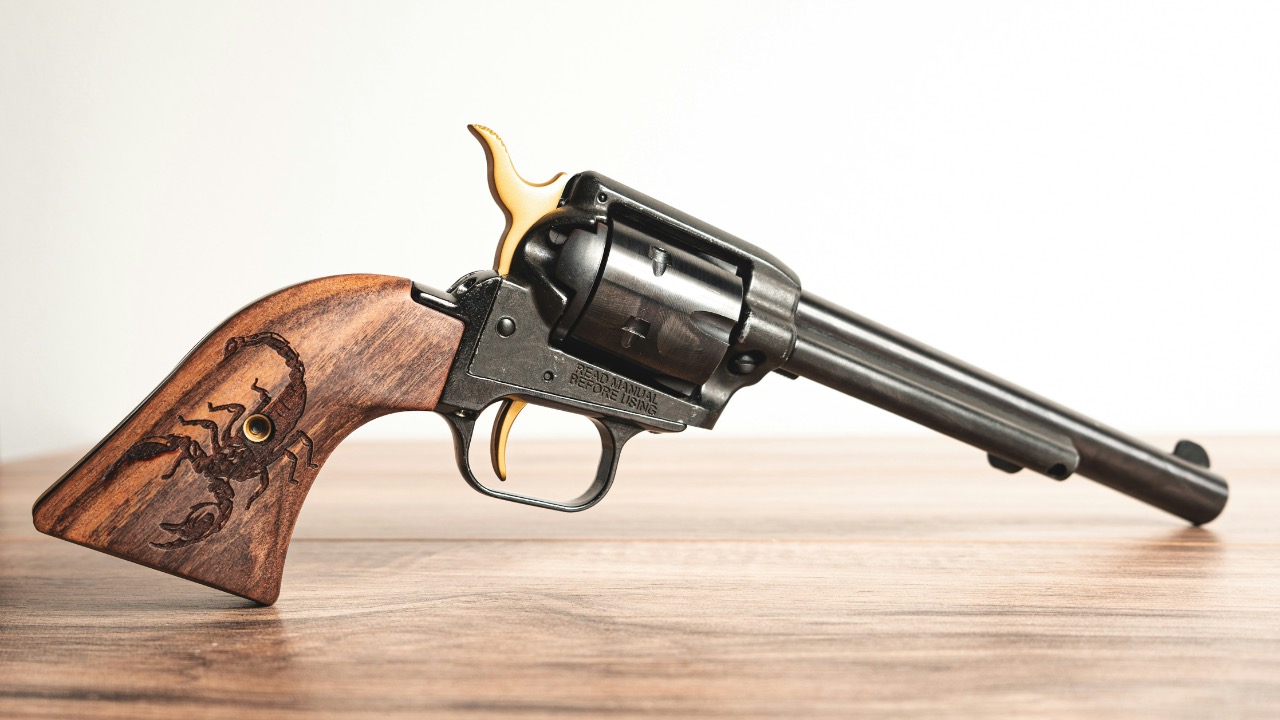
At the heart of the revolver argument is a simple trade: a few fewer rounds in exchange for a gun that is far less sensitive to user error and neglect. In a typical defensive encounter, the shooter is unlikely to fire more than a handful of shots, which makes a five or six shot cylinder far less of a handicap than it appears on paper. In that context, the fact that a quality wheelgun will still function if fired from inside a coat pocket, pressed into an assailant or gripped awkwardly with one hand becomes a major advantage over many compact semiautos that depend on a clean slide cycle to work.
Holster makers who see both sides of the market describe Revolvers vs Semi as a classic capacity versus simplicity decision, with small pistols offering more rounds and faster reloads but demanding more training to clear stoppages. Instructors such as Scott Dismukes, an NRA Certified teacher and long-time aficionado, point out that for people who realistically will not practice malfunction drills, the ability to simply press the trigger again if a cartridge fails is a compelling reason to choose a cylinder over a magazine when a life is on the line.
Mechanical strengths that still beat many compact semiautos
Mechanically, a revolver isolates each cartridge in its own chamber, which removes the need to feed from a magazine under recoil and dirt. That design dramatically reduces the chance of a failure to feed or eject, especially when the gun is carried in pockets, ankle rigs or belly bands where lint and sweat are constant. A handgun that occasionally malfunctions when clean is much more likely to fail when it is dirty, and expert buyer guides highlight that this risk rises as pistols shrink and tolerances tighten, while a quality wheelgun keeps running even when conditions are less than ideal, as seen in detailed revolver vs semi.
The same fixed-barrel, rotating-cylinder layout also handles pressure in ways small pistols struggle to match. For truly massive calibers and high-pressure loads, experts still favor revolvers because there is no slide to batter and no need to harness recoil energy to cycle. Guides aimed at new buyers note that compact pistols can be finicky with the wide variety of bullet shapes and power levels now on the market, while a revolver can run everything from light target wadcutters to full-power defensive hollow points without changing springs or worrying about slide velocity, a flexibility that becomes critical when ammunition shelves are picked over.
Carry-focused revolvers that punch above their size
Current carry revolvers are not the heavy service guns of decades past. Lightweight alloys, compact frames and carefully tuned grips have produced snubnosed designs that ride comfortably in pockets and waistband holsters while still delivering service-caliber performance. The Why Revolvers Remain discussion highlights how modern J-frame style guns let owners carry discreetly without giving up meaningful power, especially with .38 Special and .357 Magnum loads tailored for short barrels.
Lists of standout models for 2026 consistently feature compact wheelguns that balance shootability with concealment. One breakdown of the best revolvers of spans everything from deep concealment snubs to mid-size home defense options and even tags 74 as a key metric in its testing. That same ecosystem of coverage points to classics like The Smith & Wesson Model 36 Chief Special, described as the father of modern snubnoses, which continues to influence newer designs that refine sights, triggers and grips while staying true to the original formula of a small, steel-framed five shot that simply works.
Real-world use: training, ammunition and niche advantages
Instructors and experienced carriers repeatedly return to how revolvers interact with training habits. For shooters who invest heavily in practice, a compact pistol with higher capacity can be run to a very high standard, but many ordinary owners do not reach that level. Commenters in communities devoted to wheelguns describe scenarios such as a Summer woods walk with snake shot, an EDC role with full wadcutters and even a desire for a really small profile that does not print in light clothing, all of which favor a simple revolver that can Use snake shot without concern for cycling.
Ammunition choice also highlights where wheelguns outperform many micro pistols. Owners who rely on low recoiling .22 LR for medical or recoil sensitivity reasons are often advised to consider a small revolver such as the Also Ruger LCR, since a rimfire round that fails to ignite in a semiauto requires clearing a stoppage under stress, while in a cylinder the shooter simply presses the trigger again, as explained in guidance on .22 for self-defense. The same logic applies to short-barreled .38 Special guns loaded with soft-shooting wadcutters, which can be accurate and controllable for those who struggle with snappy micro 9 mm pistols.
Modern examples that show how far carry revolvers have come
Specific models illustrate how contemporary revolvers have been optimized for concealed carry. The S&W 432 UC, spotlighted in a rundown of Top Carry Revolvers, is a .32 caliber J-frame that offers 432 as a model designation and gives shooters a sixth round with very mild recoil, allowing accurate hits on targets at 25 yards consistently despite its small size. Another example is the Smith Wesson 632 Ultimate Carry Revolver Titanium, listed among Eight Great Revolvers, which uses titanium construction to keep weight low while chambering a potent .327 Federal Magnum round in a compact J-frame footprint.
Snubnosed .38s remain a core category as well. The S&W Model 642 Airweight, examined in depth in a review that concludes with the line Conclusion The Model Airweight is the perfectly sized pocket pistol, shows how a lightweight alloy frame and enclosed hammer make for a snag-free draw and an ideal backup or deep concealment choice, especially when carried in a pocket holster and paired with modern defensive ammunition, as detailed in the 642 Airweight review. Ruger has taken a different path with the SP101, a small-frame steel revolver that accepts full power .357 Magnum loads; evaluators describe the Ruger as built to last more than a lifetime with very little likelihood of reliability issues even under heavy use, which makes its five shot capacity less of a compromise for those who prioritize durability, as outlined in a detailed Ruger SP101 review.

Leo’s been tracking game and tuning gear since he could stand upright. He’s sharp, driven, and knows how to keep things running when conditions turn.