The rifles that were easy to find—until everyone wanted one
There was a time you could walk into a gun shop, scan the rack, and see rifles that nobody thought twice about. They were dependable, affordable, and easy to replace. Then something shifted. Demand spiked, supply tightened, and a handful of those once-overlooked rifles became hard to track down.
If you’ve been around long enough, you’ve watched it happen in real time. A mix of political pressure, hunting trends, and social media chatter can turn a common rifle into something you can’t find at any price. Here’s a look at the rifles that used to sit untouched—until everyone decided they needed one.
Ruger American Rifle
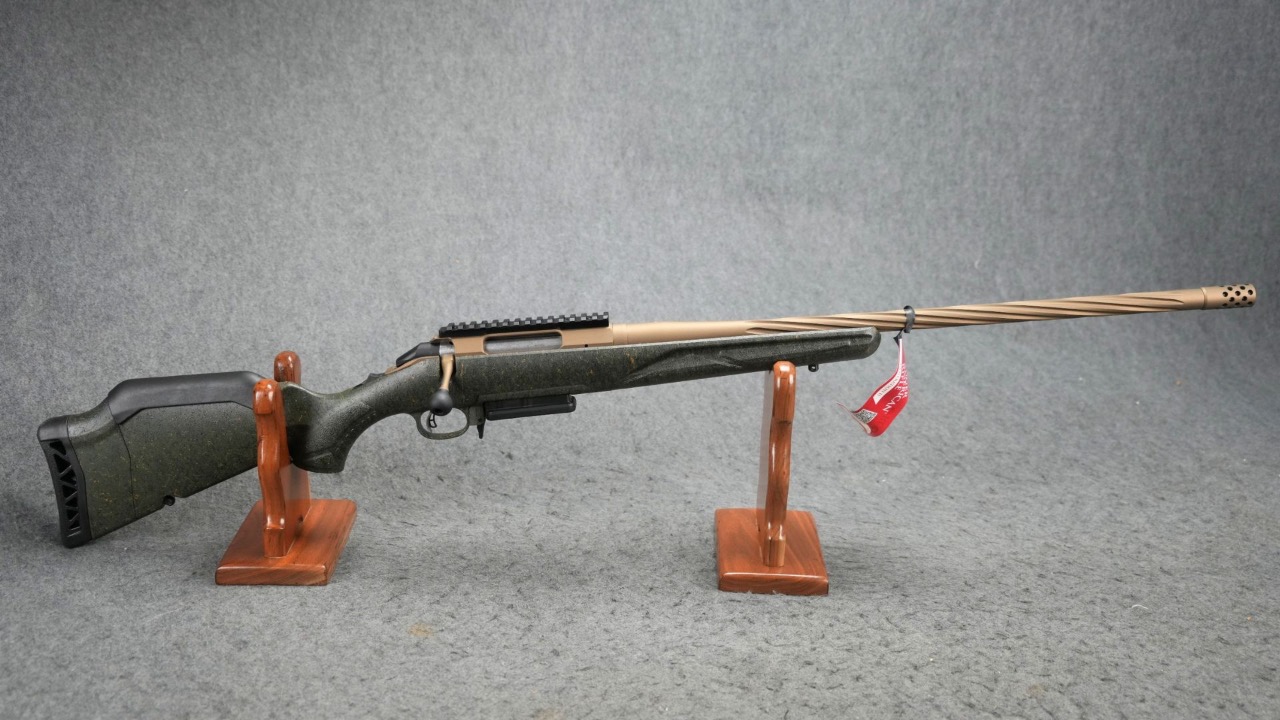
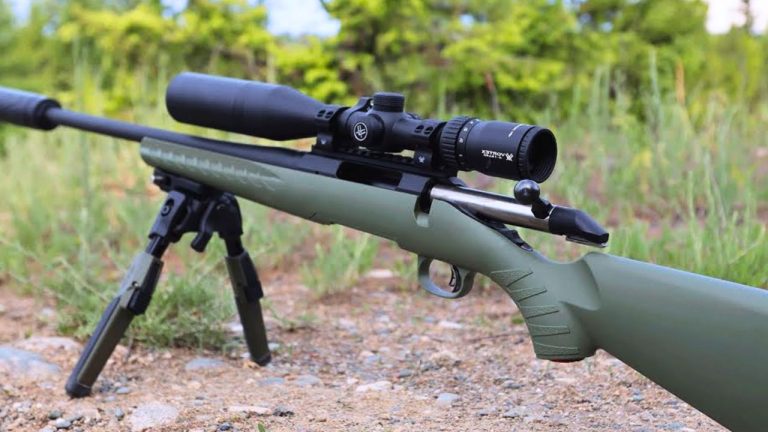
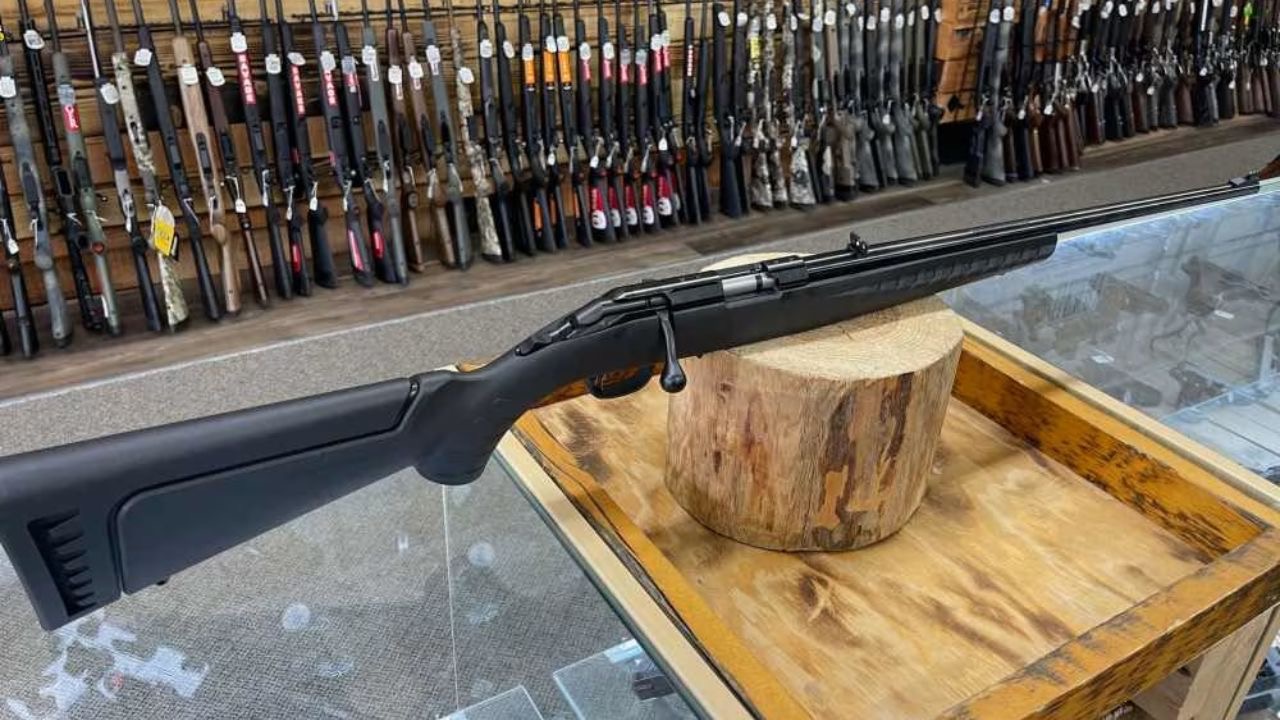
You used to see the Ruger American sitting in stacks at big-box stores, priced low enough that a lot of hunters overlooked it. It didn’t carry much flash, but it shot straight and handled rough conditions without complaint. For years, it was the working man’s rifle that never got much attention.
Then word got out. Hunters started sharing groups, praising the out-of-the-box accuracy, and suddenly demand climbed. Add in supply chain slowdowns, and the shelves cleared fast. Now, depending on caliber, you can still find one—but not with the same ease or price. It went from an afterthought to something guys actively hunt for.
Marlin 336
The Marlin 336 was once a constant presence in deer camps and pawn shop racks. Lever guns like it had a steady following, but they weren’t hard to find. You could pick one up without planning months ahead.
That changed when production stalled and uncertainty hit the brand. Prices climbed, and used rifles started disappearing. When manufacturing resumed under new ownership, demand didn’t cool off. If anything, it got stronger. Folks who grew up with lever guns—and plenty who didn’t—started chasing them. Now the 336 rarely sits long anywhere it shows up.
Remington 700
For decades, the Remington 700 was one of the easiest bolt-action rifles to find. Walk into almost any shop and you’d see multiple versions on the rack. It was a baseline rifle for hunters and a starting point for a lot of custom builds.
Then came production disruptions and company struggles. Availability dipped, and people started grabbing them when they could. Even as production has worked its way back, the old consistency hasn’t fully returned. The 700 still holds its reputation, and when a solid one hits the shelf—especially in a common hunting caliber—it doesn’t hang around like it used to.
SKS
Not long ago, SKS rifles were everywhere, stacked deep and priced cheap. They were a budget option for shooters who wanted something reliable without spending much. At the time, nobody treated them like collectibles.
Imports slowed, and supply dried up faster than most expected. Interest followed close behind. What used to be a low-cost pickup turned into something people started holding onto. Prices climbed, and the days of digging through a crate to find a decent one are gone. Now you take what you can get, if you can find one at all.
Winchester Model 70
The Winchester Model 70 has always carried a certain reputation, but there were stretches where it was easy enough to find without much effort. You didn’t have to chase one unless you were after a specific configuration.
That’s shifted over time. Changes in production, limited runs, and renewed interest in classic bolt guns tightened availability. Hunters started leaning back toward rifles with some history behind them, and the Model 70 fit that bill. These days, when a clean one shows up—especially older examples—it tends to move quickly.
Savage Axis
The Savage Axis lived in that same category as the Ruger American for years. Affordable, accurate enough, and easy to overlook. It was often a first rifle or a backup, not something people chased.
Then shooters started paying attention to performance over price tags. The Axis gained a reputation for punching above its weight, and demand followed. Once supply chains tightened, it didn’t take long for inventory to thin out. You can still find them, but the days of seeing stacks of them untouched are mostly behind you.
Mosin-Nagant
There was a stretch where Mosin-Nagants were as common as anything on the surplus market. Cheap, rugged, and everywhere. You could buy one without thinking twice—and a lot of people did.
Then imports slowed, and the supply that once seemed endless dried up. Interest surged right along with it. What used to be a budget rifle became something collectors started paying attention to. Prices rose, and availability dropped. Now you don’t stumble across them like you used to, and when you do, they’re not priced like they were back then.
Henry Lever Action Rifles
Henry lever guns used to sit comfortably in stores, with steady demand but no real urgency. They were known for quality, but you didn’t feel pressure to grab one the moment you saw it.
That changed as interest in lever actions surged across the board. New shooters came in, longtime hunters circled back, and Henry’s reputation carried weight. Production has kept moving, but demand often outpaces it. Certain models disappear quickly, and restocks don’t always last. It’s a different market now, and Henry rifles are right in the middle of it.
AR-15 Platform Rifles
There was a time when AR-15 rifles were so common you could be picky without worry. Prices were competitive, options were endless, and supply felt unlimited.
Then political pressure, legislative talk, and buying surges changed the landscape overnight—more than once. Every time uncertainty hit, shelves cleared. Even when production caught up, demand stayed high. The cycle repeats, and availability can shift fast. What used to feel like the most accessible rifle in the country can still vanish in a hurry when the timing lines up.

Asher was raised in the woods and on the water, and it shows. He’s logged more hours behind a rifle and under a heavy pack than most men twice his age.