The role training plays in using complex weapons safely
Complex weapons, from duty pistols to carbines and less-lethal tools, are unforgiving of sloppy handling. The difference between a clean stop and a tragedy usually is not the hardware, it is the training behind the hands that run it. When people are drilled to manage stress, understand their equipment, and respect the risks, those same tools can protect families, officers, and bystanders instead of endangering them.
I have watched that play out on ranges, in force-on-force houses, and in living rooms where kids are taught what to do if they find a gun. The pattern is always the same: where training is treated as a core responsibility, complex weapons become safer and more effective; where it is skipped or rushed, the margin for error shrinks to nothing.
Why complex weapons demand more than common sense
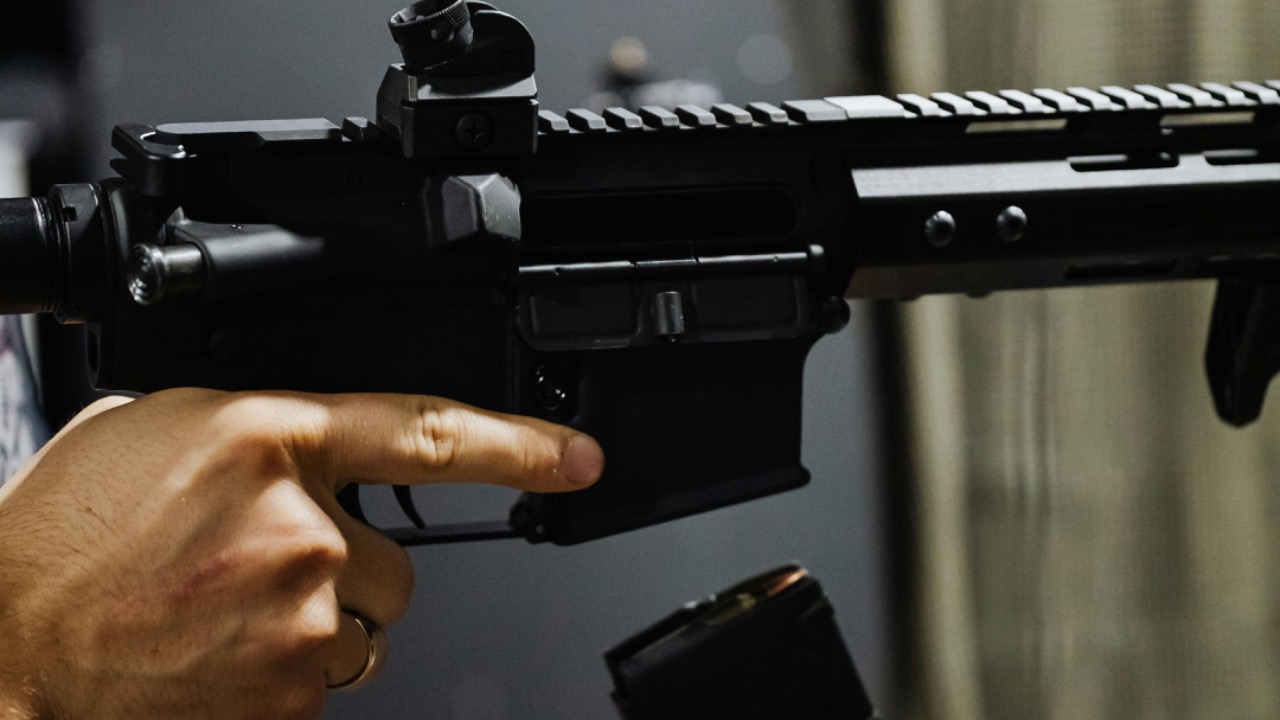
Firearms are powerful, but very complicated to use well. Even in fantasy gaming circles, writers point out that Firearms need special skills and training baked into the rules because of how technical they are. Real-world guns layer in recoil management, malfunction clearing, ammunition selection, and legal constraints that no one can absorb by osmosis. Add optics, weapon lights, suppressors, and modern holsters and you are managing a full system, not a simple tool.
That complexity is why serious programs treat training as non-negotiable. In New York City, for example, guidance on buying a handgun stresses that Overall, training is an essential aspect of responsible gun ownership and of minimizing firearm-related incidents. The same logic shows up in military driver rules, where Safety is described as a non-negotiable aspect of operating complex vehicles. Whether it is a rifle, a patrol car, or a heavy truck, the pattern holds: intricate machines that can kill people require structured, repeatable training if you want them to be assets instead of liabilities.
Safety first: the foundation every shooter needs
Every credible program starts from the same place: Safety First. One training provider spells it out bluntly, noting that Safety First and Safety must always sit at the top of the priority list because Guns are powerful tools that can cause serious harm when mishandled. That mindset is not theory, it is the filter for every decision on the range or in the field. If a drill, holster, or policy undercuts safety, it gets changed or thrown out.
Good instructors hammer home core rules until they are automatic. Programs aimed at new shooters remind people to Use only the correct ammunition, Wear eye and ear protection, and Nev handle firearms while under the influence of alcohol or drugs. National safety campaigns go even more basic, telling people to Rule their behavior by Treat every firearm as loaded and Treat it as loaded every time they touch it. Those habits are the bedrock that lets people move into more complex weapon systems without increasing the odds of a negligent discharge.
Why formal instruction beats self-teaching
Plenty of gun owners try to teach themselves, but the data and the range scars both say that is a bad bet. One training company aimed at everyday carriers argues that Jun training ensures that gun owners can handle firearms safely in the home or while carrying, and that is not something you get from a few YouTube clips. Structured classes expose people to vetted techniques, safe range commands, and supervised repetitions that catch bad habits before they harden.
Professional instructors also bring a level of accountability that buddies at the gravel pit cannot match. One range notes that Jan Safety First is the first reason to work with a qualified coach, because Firearms, when mishandled or used irresponsibly, can lead to tragic accidents and fatalities. Concealed carry programs echo that point, describing Education as the Foundation of responsible carry and stressing that Concealed classes give people the legal and practical framework they will not pick up on their own. When kids are involved, one facility even highlights that Our NRA-certified instructors will guide your children through safety principles and the proper response when finding an unattended firearm, something no parent should be improvising.
Training for the home: kids, storage, and everyday risks
Most gun incidents do not happen on a dark street, they happen in kitchens, bedrooms, and garages. That is why home-focused training and public campaigns matter as much as tactical classes. One national group points out that But research shows that 39 percent of gun owners received no formal safety training, even though Safety training ensures that gun owners know how to handle firearms safely and store them securely. That gap is exactly where kids find loaded pistols in nightstands or backpacks.
Several efforts aim to close it. A program for families teaches parents and children to Be SMART about secure storage, with Public awareness campaigns like Be SMART helping the school community understand how to lock up guns around kids. Dedicated sites such as Be SMART walk families through practical steps like lockboxes, cable locks, and talking to other parents before playdates. Military family resources echo the same themes, explaining that Sep Handling guns safely and Proper storage keep everyone safer if the gun accidentally discharges. That kind of training turns a house with firearms from a guessing game into a managed environment.
Building judgment under stress, not just marksmanship
Hitting a bullseye on a calm Saturday is one thing; making a life-or-death call in a parking lot is another. Law enforcement trainers emphasize that Jun How Firearms Training Improves Officer Safety and Public outcomes by Enhances Split, Second Decision, Making, because Officers rarely have the luxury of time. Their courses are built to force quick assessments, communication, and movement, not just tight groups on paper.
To get there, agencies lean on scenario work. Federal trainers note that Mar Many programs use role players, protective gear, and marking rounds made of plastic bullets and BBs to simulate deadly force encounters. Private facilities add judgment simulators, arguing that Nov Since it is virtually impossible to predict active threat situations, officers need Better Judgement in Tough Situations long before they face the real thing. Even civilian defensive courses stress that Defensive Firearms Training and Tips for Real, Life Scenarios recognize that Being prepared to act effectively in high-stress situations is different from slow-fire target shooting. The common thread is simple: safe use of complex weapons depends as much on judgment as on mechanics.
Tools that let people train hard without bleeding
To push skills without stacking bodies, instructors rely on gear built specifically for training. In law enforcement circles, inert pistols and rifles are now standard, with one overview explaining that Untitled inert weapons let officers practice weapon retention, disarms, and close-quarters tactics without live-fire risk. Another piece on the same topic notes that Aug Both ASP and Ring offer high-quality training tools and that The primary purpose of inert replicas is to allow realistic practice while avoiding live ammunition, with Photo: Ring’s Manufacturing showing the blue guns many readers will recognize.
Simulation technology has taken that idea further. One regional news clip shows officers using Simulated firearm training to sharpen marksmanship, target acquisition, and decision-making in a controlled environment. Other programs use virtual ranges where First, properly designed and safely executed force-on-force drills teach that the initial reaction should involve moving to cover, not freezing in the open. Even the U.S. Army has leaned into this progression, with its marksmanship unit explaining that Throughout the course, training starts with the fundamentals and builds to more complex exercises that simulate real combat scenarios. The goal is the same whether you are a rookie cop or a new private: train as close to reality as you can without putting holes in people you care about.
Stress, mindset, and the human side of running a gun
Complex weapons do not operate in a vacuum; they are run by human beings whose hands shake and whose vision narrows when things go bad. Sports science research notes that Importantly, the machinery (involved muscles, tendons, and so on) must be conditioned to handle complex, high-intensity actions. That applies as much to a snap shot from retention as it does to a clean power clean in the gym. Under acute stress, fine motor skills degrade, and one military research scenario on Scenario Impaired fine motor performance points out that Snipers and other specialists must maintain control even as stress erodes higher-level functions.
Good firearms training acknowledges that reality instead of pretending it away. One academy describes Feb The Mental Arsenal and Exploring the Psychological Impacts Training, noting that Post By instructors at Michigan Pistol Academy, firearm training can have significant psychological benefits that carry beyond the range. Another outfit that focuses on real-world violence warns that But most people think pistol training is about shooting tight groups, when in reality you need to be able to run the gun when your mind is scared. A carjacking-defense school puts it even more bluntly, saying that In a time of great crisis and stress, you must be able to act rationally and safely, and that ability only comes through good training and a survival mindset. The safest shooters are not the ones who never feel fear, they are the ones who have rehearsed through it.
From CQB to carbine: matching training to the weapon
Different tools demand different skill sets. A compact pistol carried under a T-shirt is not the same problem as a rifle with a sling and optic, and training has to reflect that. Close-quarters programs explain that Aug What CQB really means is learning to manage your own angles of engagement while safely maneuvering through tight environments. That includes muzzle discipline around doorways, working with a partner, and understanding how bullets behave indoors. It is a far cry from standing flat-footed at seven yards.
On the range, instructors talk about progression. One police training piece notes that Once the basic firearms skills are established to a satisfactory level, it is time to move on to more advanced drills that incorporate movement, multiple targets, and time pressure. Video from a tactical course shows an instructor explaining that Sep he usually starts off where students are just coming out of the Hol, coming out of the Hol, coming out the holster, before layering in more complex strings. That kind of step-by-step build keeps people safe while they learn to run more capable, and more demanding, weapon systems.
Law enforcement, armed security, and the duty to get it right
When your job involves carrying a gun around strangers, the bar for training should be higher, not lower. Campus security guidance is blunt that Training and certification requirements are non-negotiable, and that Armed personnel must learn not only how to use weapons, but also how to de-escalate situations. Police education experts echo that, arguing that Use of force Training on use of force is and must be a high priority, both to reduce violent crime and to make sure officers understand the awkward reality of using it. At one community college program, instructor Parris tells students, “We focus on when, why and when not to draw a weapon – and when not to use force,” a reminder that restraint is as much a skill as marksmanship.
Modern tools help those lessons stick. Virtual simulators stress that Since officers cannot predict where the next active threat will appear, they need Better Judgement in Tough Situations before they ever leave the academy. Force-on-force guidance adds that Untitled properly designed scenarios teach officers that their initial reaction should involve moving to cover, communicating, and using tactics that protect bystanders. When those habits are ingrained, complex weapons become tools for controlled, measured force instead of blunt instruments.
Carrying lessons from the range into everyday life
The best training does more than punch holes in cardboard; it changes how people move through the world. One major manufacturer notes that Visit their academy for a comprehensive range of training resources that build a foundation of responsible gun ownership. That foundation shows up in small decisions: choosing a holster that covers the trigger, locking up guns before guests arrive, or skipping a shot because the backdrop is not safe. Defensive courses remind students that In a real-life self-defense situation, every second counts, and that Defensive shooting is different from target shooting because the goal is to protect yourself and others, not to chase a perfect score.
Even people who never plan to carry a gun can benefit from that mindset. Family-focused programs teach kids to avoid touching unattended firearms and to tell an adult, while campaigns like Untitled give parents scripts for asking about guns in other homes without turning it into a political argument. On the professional side, officer training that Untitled helps Officers remain calm and in control during split-second decisions tends to spill over into better driving, better communication, and fewer uses of force. When training is treated as a lifelong habit instead of a box to check, complex weapons become safer not only in the hands that hold them, but in the communities around them.

Asher was raised in the woods and on the water, and it shows. He’s logged more hours behind a rifle and under a heavy pack than most men twice his age.