The survival lessons soldiers brought home from World War II
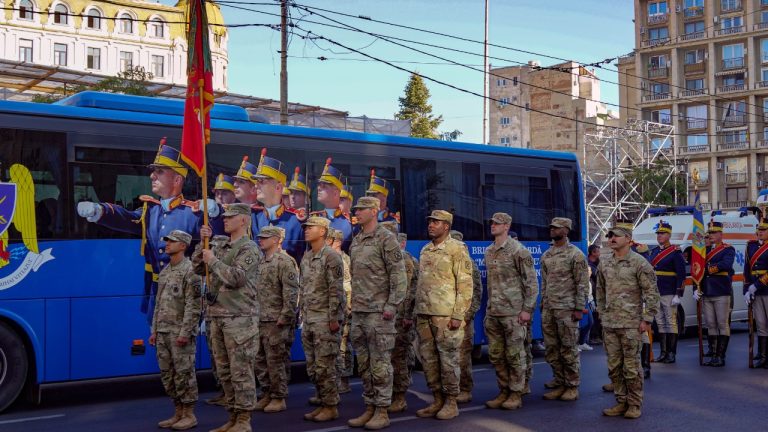
When American soldiers came home after World War II, many of them carried more than memories and medals. They brought back practical survival lessons learned in jungles, frozen forests, bombed cities, and remote islands. These weren’t theories written in manuals. They were habits built under pressure—things that kept a man alive when supply lines broke down or the weather turned against him.
A lot of those lessons quietly shaped how people hunted, camped, and prepared for emergencies in the decades that followed. You still see traces of them in modern outdoor culture, even if most people don’t realize where the ideas came from. When you look closely, many everyday outdoor practices have roots in what soldiers learned the hard way during the war.
Water Matters More Than Food

If you spend enough time outdoors, you eventually realize hunger is uncomfortable but dehydration can shut you down fast. Soldiers in the Pacific learned this quickly. Many patrols moved through jungles where streams looked clean but carried parasites, bacteria, or rotting debris upstream. Drinking without thinking could take a man out of the fight faster than enemy fire.
You learn to treat water carefully. Boiling it whenever possible became routine, and soldiers carried tablets or improvised filtration with cloth when fuel ran low. The real lesson wasn’t fancy gear—it was awareness. When you’re tired and thirsty, that’s when mistakes happen. Veterans carried that habit home. When you’re in the woods, finding and protecting safe water stays near the top of the list.
Good Foot Care Keeps You Moving
Foot problems wrecked more soldiers than people realize. Long marches in wet boots led to blisters, trench foot, and infections that could cripple a man. Troops in Europe and the Pacific were constantly reminded to keep their feet dry and check them daily.
You start to understand that mobility is survival. A small blister ignored today can turn into something that stops you cold tomorrow. Soldiers learned to air their feet out, change socks whenever possible, and dry boots near fires or stoves. Many veterans never lost that habit. If you talk to older hunters or outdoorsmen who served, they’ll still tell you the same thing: take care of your feet first. Everything else gets harder when you can’t walk.
Learn to Stay Quiet Without Thinking
Combat patrols taught soldiers that noise carries farther than you think. A loose canteen, a metal buckle hitting a rifle sling, or a careless step on dry brush could give away a position in seconds. Over time, moving quietly became second nature.
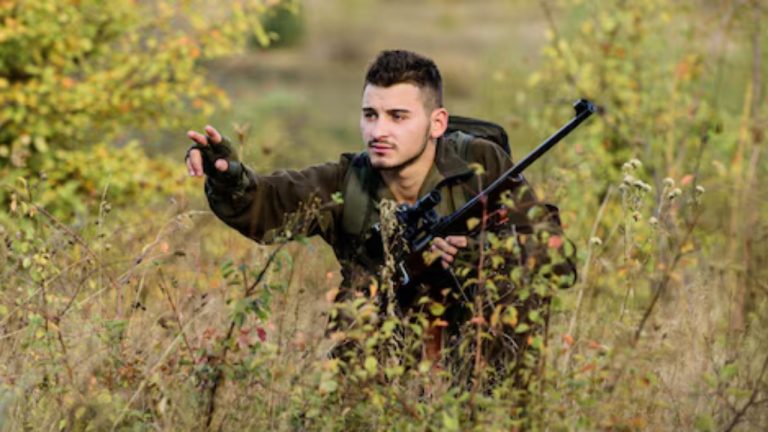
That awareness stuck with many veterans long after the war. When you’re hunting or navigating unfamiliar terrain, silence gives you control. You begin noticing small sounds—the shift of gravel under your boots, the brush against your jacket. Soldiers learned to secure gear, move slowly when needed, and pause often to listen. It’s the same discipline hunters rely on when stalking game today.
Fire Is a Tool, Not a Luxury
Soldiers operating behind lines or in rough terrain learned quickly that fire did more than keep you warm. It dried clothing, purified water, heated rations, and kept morale steady when conditions turned miserable. But fire also revealed your position if you weren’t careful.
You learn to build small, efficient fires that burn hot and low. In many situations soldiers dug shallow pits or used natural cover to hide the flame and smoke. Fuel mattered too. Wet wood wastes time and creates smoke. Veterans brought this understanding home to hunting camps and backcountry trips. When you’re outdoors long enough, fire stops being a comfort and becomes a tool you manage carefully.
Always Improve Your Shelter
Sleep in the wrong place during a storm and you’ll remember the mistake all night. Soldiers learned this in foxholes, temporary camps, and abandoned buildings across Europe and the Pacific. Even a slight depression in the ground could turn into a puddle after rain.
You start paying attention to wind direction, drainage, and overhead cover before settling in. Soldiers often improved whatever shelter they had—digging drainage channels, reinforcing roofs with debris, or placing gear where it stayed dry. The lesson sticks. When you’re outdoors, the place you sleep affects how well you recover. A few minutes spent improving shelter can mean the difference between a miserable night and real rest.
Keep Gear Organized the Same Way Every Time
In stressful conditions, digging through a pack wastes time you may not have. Soldiers quickly learned to keep equipment arranged in consistent places. Ammunition, medical supplies, rations, and tools had predictable spots so they could be reached in the dark or under pressure.
That discipline carries over to outdoor life easily. When your knife, flashlight, or fire starter always lives in the same pocket, you stop searching and start acting. Veterans often packed their hunting or camping gear the same way every trip. Consistency reduces mistakes when you’re tired, cold, or rushing. The habit sounds small, but it prevents confusion when you need something fast.
Watch the Sky and the Ground
Weather caught many soldiers off guard during the war. A clear morning could turn into heavy rain or fog that changed everything about a mission. Men learned to watch cloud patterns, wind shifts, and small signs in the environment that hinted at incoming weather.
That awareness translates directly to outdoor survival. You begin noticing details: rising wind before a front moves in, a sudden drop in temperature near evening, or how fog forms in valleys. Soldiers who paid attention avoided surprises that could leave them soaked or exposed. Veterans carried that habit home, reading the landscape the way experienced hunters and outdoorsmen still do today.
Don’t Waste Energy
War forced soldiers to work with limited calories and little sleep. Long marches, digging positions, and constant movement drained strength quickly. Experienced troops learned to pace themselves and avoid unnecessary effort whenever possible.
That lesson applies to survival anywhere. You move efficiently, plan routes carefully, and take breaks before exhaustion hits. Burning through energy early leaves you vulnerable later when you still need strength to build shelter, gather water, or navigate rough ground. Veterans often approached outdoor work with that mindset. It wasn’t laziness—it was understanding that endurance matters more than short bursts of effort.
Camouflage Is About Shape and Shadow
Many soldiers discovered that camouflage worked best when it broke up recognizable shapes. A helmet or rifle barrel could reflect light or form a clean outline against the background. Even a well-hidden position could be exposed by shadow or contrast.
You start blending into the environment by paying attention to those details. Soldiers used mud, foliage, and irregular movement to stay unnoticed. The principle carries into hunting and outdoor travel. When you move through woods or open country, avoiding straight lines and sudden movement keeps you from standing out. It’s less about the pattern on your jacket and more about how you use the terrain.
Stay Calm When Things Go Wrong
War rarely unfolded according to plan. Equipment failed, weather changed, and missions shifted without warning. Soldiers who panicked made bad decisions. The ones who stayed calm had a better chance of adapting.
You learn to pause, assess the situation, and work through problems step by step. That mindset carried home with many veterans. Whether you’re lost, dealing with a broken tool, or caught in bad weather, staying levelheaded gives you options. Survival often comes down to thinking clearly when circumstances turn against you. Soldiers understood that better than anyone.

Asher was raised in the woods and on the water, and it shows. He’s logged more hours behind a rifle and under a heavy pack than most men twice his age.