Third Hiker Dies Amid Unusual Surge in Snakebites in California
Reports of snakebite incidents in California are drawing increased attention after a third hiker has died in what officials are calling an unusual spike in serious encounters. While snakebites are not new in the region, the recent cluster of cases has raised concern among hikers, park staff, and local health officials.
The incidents have mostly been reported in outdoor recreational areas where people are spending more time on trails during warmer weather. Officials say the pattern is still being studied, but they are urging visitors to stay alert and take basic precautions when hiking.
A Concerning Pattern Emerging
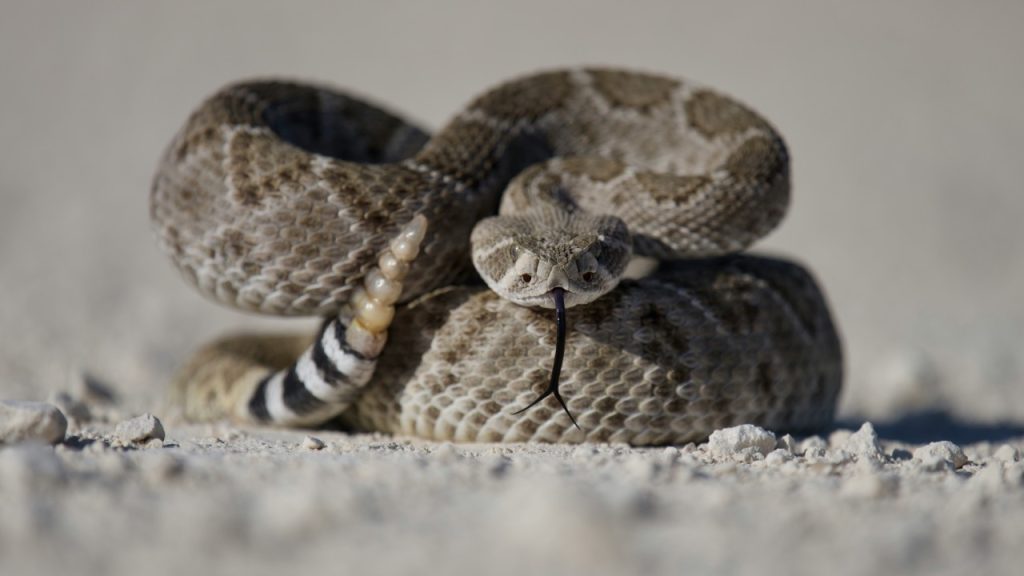
The recent deaths have led authorities to look more closely at whether environmental conditions or human activity could be contributing to increased encounters. In most cases, snakebites happen when people accidentally step too close to hidden animals or disturb them on trails.
What stands out in this situation is the number of severe cases reported in a short period. While many snakebites are not fatal when treated quickly, these recent incidents have highlighted how dangerous delays in medical care or remote locations can become.
Why Hikers Are Being Cautioned
Park officials and wildlife experts are reminding visitors that snakes are most active during warmer months, especially in rocky or grassy areas. Trails with limited visibility or heavy brush tend to carry higher risk, particularly in the early morning or late afternoon.
They’re also stressing simple precautions, like staying on marked paths, wearing proper footwear, and being aware of surroundings. Most encounters happen when snakes are unintentionally startled, which can often be avoided with extra caution.
Medical Response and Challenges
One of the key concerns raised by health officials is how quickly victims receive treatment. In more remote hiking areas, reaching medical care can take time, which increases the risk of complications in serious bites.
Antivenom is effective in many cases, but timing is critical. Officials are encouraging hikers to understand the importance of immediate emergency response if a bite occurs and to avoid trying to handle situations alone.
Public Reaction and Ongoing Investigation
The news has sparked concern among outdoor enthusiasts, many of whom are rethinking hiking plans or being more cautious on trails. Some believe environmental changes or shifting animal behavior may be playing a role, while others say it may be a coincidence amplified by reporting.
Authorities have not confirmed a single cause but continue to investigate the recent rise in incidents. For now, the focus remains on awareness and prevention.
What This Means Going Forward
While snakebites are still relatively rare compared to other outdoor risks, the recent cases serve as a reminder of the unpredictability of nature. Officials are urging hikers not to avoid outdoor activities entirely, but to be more mindful of conditions and surroundings.
As investigations continue, the main message from wildlife and safety experts is simple: most encounters can be avoided, but preparation and awareness make a major difference when spending time in snake-prone areas.

Leo’s been tracking game and tuning gear since he could stand upright. He’s sharp, driven, and knows how to keep things running when conditions turn.