Tiny Invasive Ant, Two-Tenths of an Inch Long, Delivers Potentially Deadly Sting and Spreads to 22 States
You’re hearing more about small invasive ants turning up in places they weren’t seen before, and this one has earned attention for a reason. It’s not big, but it doesn’t need to be. A sting from the Asian needle ant has sent people to emergency care, especially those with allergic reactions, and its spread across the eastern and southern U.S. has been steady for years.
What makes it worth paying attention to is how easily it slips into everyday spaces—yards, firewood piles, leaf litter, even landscaping materials. You don’t need to be deep in the woods to run into it. That’s part of the problem. It’s showing up closer to homes, camps, and trail edges where people don’t expect trouble from something so small.
A Small Ant That Doesn’t Look Like Much
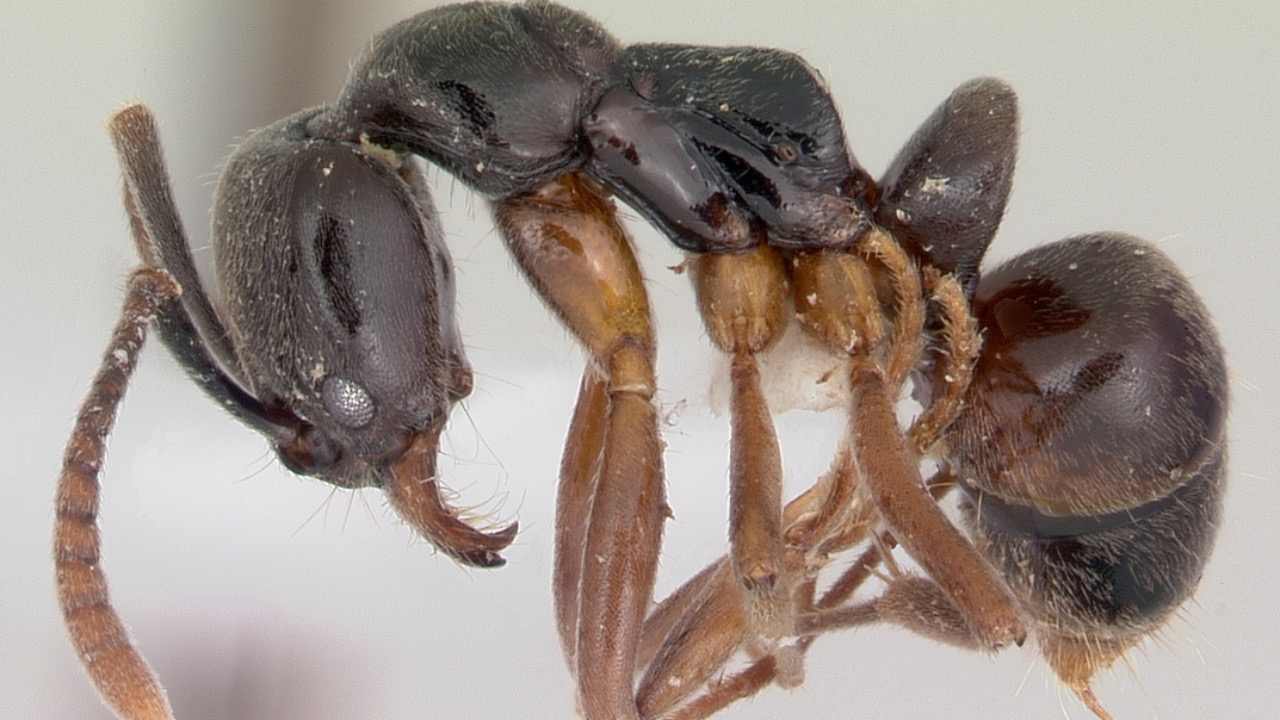
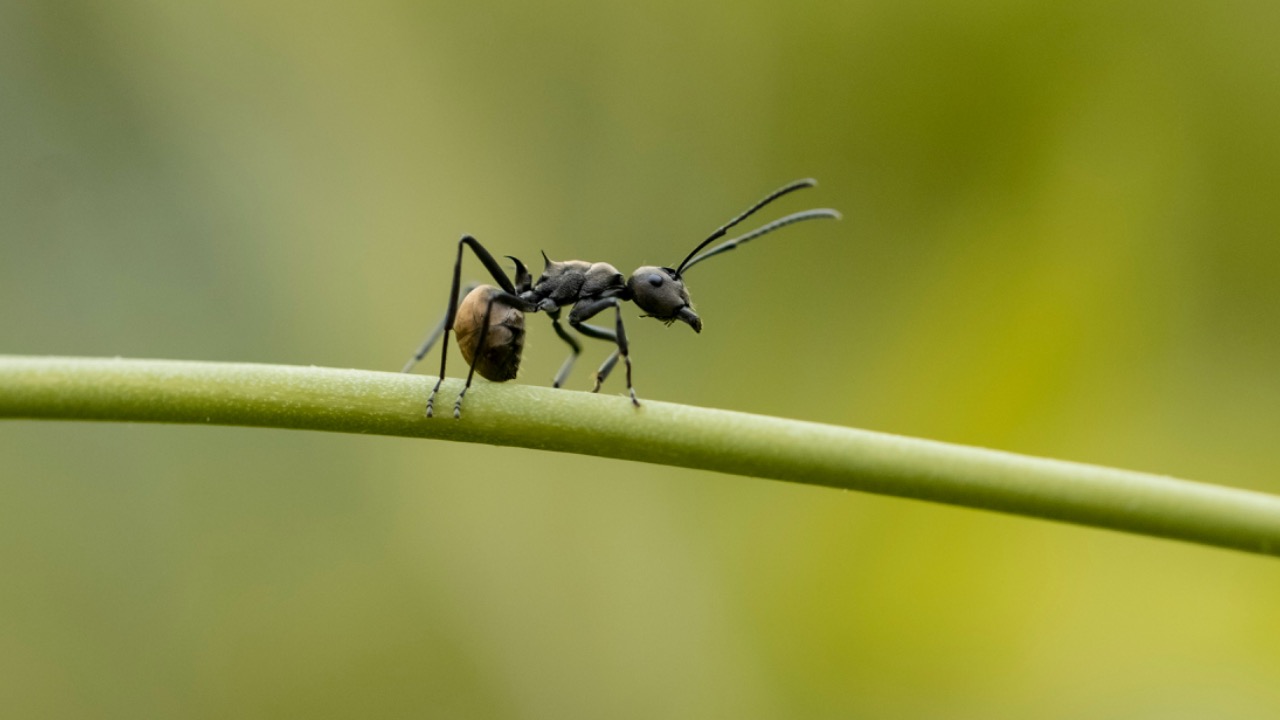
You’re dealing with an ant that measures roughly a fifth of an inch, sometimes a bit less depending on the worker caste. The Asian needle ant has a dark, glossy body and moves in loose, scattered lines rather than tight columns like some common species.
At a glance, you’d probably ignore it. It doesn’t build obvious mounds in open ground, and it doesn’t swarm like fire ants. Instead, it tends to stay under cover—rocks, logs, mulch, and rotting wood. That low profile is part of why it spreads quietly and often gets mistaken for native ants until people start noticing the sting.
A Slow Spread Across Much of the East and South
You’re not looking at a localized problem anymore. This ant has established itself across a wide stretch of the eastern United States, with confirmed populations moving through many states in the Southeast, Mid-Atlantic, and parts of the Midwest.
It tends to follow human activity more than natural corridors. Nursery stock, firewood, mulch, and transported soil all help it move. Once it lands in a suitable environment, it doesn’t need much encouragement to stick. Mild winters in many regions have also helped it survive in places that once would have slowed it down.
The Sting That Gets Attention Fast
Most ant stings are a nuisance. This one can be more than that. The Asian needle ant delivers a sharp sting that can trigger strong local pain, swelling, and in some cases, serious allergic reactions.
For people who are sensitive to insect venom, the concern is real. There have been documented cases of anaphylaxis tied to stings from this species. It’s not the majority outcome, but it’s enough to make medical professionals pay attention. If you’re outdoors often, especially working around wood or soil, the risk is worth understanding.
Why This Ant Keeps Expanding Its Range
You’re seeing a mix of biology and human movement behind its spread. This ant reproduces in ways that let small colonies get transported without notice. A handful of workers and a queen tucked into landscaping material is enough to start a new population.
Climate plays a role too. Warmer temperatures and longer growing seasons across more of the country give it a better chance to survive winters that used to act as a barrier. Once established, it competes well against native ants and holds its ground in disturbed habitats like yards and park edges.
Where You’re Most Likely to Run Into It
If you’re working around wood piles, mulch beds, or shaded garden edges, you’re in the right zone. These ants prefer damp, covered spaces where they can stay hidden during the day and move at the edges of soil and debris.
They’re also common around decaying logs and under rocks. That’s where people tend to get surprised—reaching to move something and getting a sting before realizing what’s there. Unlike ants that advertise their presence with mounds, this one often stays out of sight until you disturb its cover.
What It Can Do to Local Insect Life
Once it moves into an area, this ant doesn’t just sit quietly. It competes with native ant species for food and nesting space, often pushing them out over time. That shift can ripple through the local insect community.
You can also see indirect effects. Ants play a role in soil movement, seed dispersal, and insect control. When one species takes over, those small ecological jobs get reshuffled. It doesn’t collapse the system, but it changes how it works in ways that are hard to reverse once the population is established.
Why Control Is Difficult Once It Spreads
You’re not dealing with a colony that sits in one obvious mound. These ants spread their nests out, sometimes across multiple sites, which makes targeted control tricky. Kill one section and others can repopulate the area.
Chemical treatments can help, but they require consistency and proper placement. Miss a pocket of the colony and it can rebound. That’s why most experts focus on prevention first—keeping material from spreading the ants in the first place is more effective than trying to wipe them out after they’re settled.
What You Should Watch For Around Home and Field
If you’re handling firewood, mulch, or soil, take a second to look before you move it. These ants don’t advertise themselves, and contact usually happens by accident. Gloves can help, but awareness matters more.
Around the house, sealing entry points and reducing damp debris near foundations can lower the odds of encounters. Out in the field, it’s more about caution when lifting logs or rocks. The key is simple—don’t assume something small can’t cause a problem. In this case, size doesn’t match impact.

Asher was raised in the woods and on the water, and it shows. He’s logged more hours behind a rifle and under a heavy pack than most men twice his age.