Top 5 Toughest States for Public Hunting: California, New Hampshire, Indiana Face Short Seasons and Land Locks
Public hunting access in the United States is increasingly defined by two hard limits: shrinking seasons and land that is either locked behind private ownership or crowded to the margins. Western states with sprawling federal acreage still attract do‑it‑yourself hunters, but a different story plays out in parts of the coasts and Midwest, where regulations, geography, and development combine to make legal opportunity feel scarce. California, New Hampshire, and Indiana sit near the center of that tension, joined by smaller New England states and pockets of the South where short calendars and land access collide.
Across these regions, the hardest states are not always those with the fewest animals. Instead, they are places where the average hunter must navigate complex rules, intense pressure on limited public parcels, and a patchwork of private ground that is increasingly closed to strangers. The result is a public hunting map that can feel like a maze, even for residents who grew up there.
The shared problems: short seasons and land locks
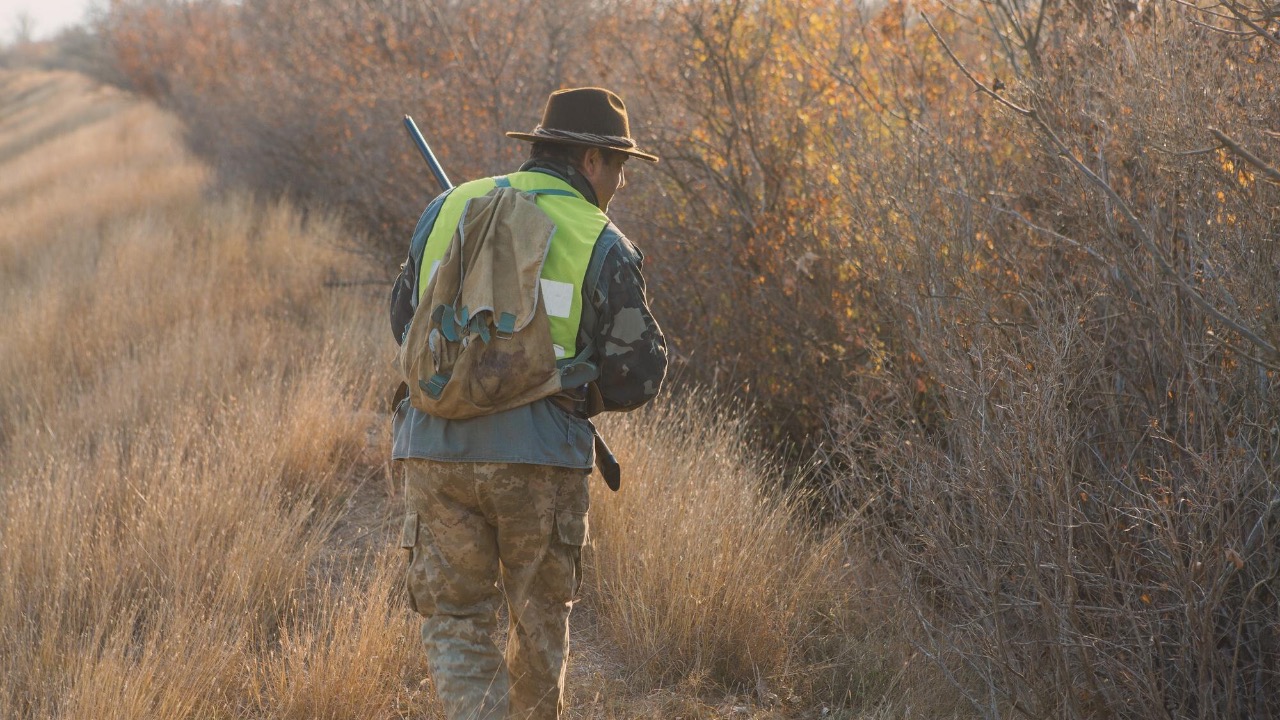
Several national comparisons of hunting opportunity point to the same pattern. The best states for public hunting access combine generous seasons, a range of species, and large blocks of accessible public land. At the opposite end, the lowest ranked states share a cluster of problems: limited public acreage, shorter seasons, higher license costs, and complicated regulations that narrow the window for success. One review of the best and worst states notes that the weakest performers tend to offer little public land and shorter seasons, which significantly reduces options for the average hunter.
Pressure on the ground magnifies those structural issues. An analysis of public land access using U.S. Fish and Wildlife data from 2023 found that the states with the least public land per hunter include Iowa, Texas, Georgia, Kansas, and Ohio. That same report points out that Texas has very little public land relative to its hunting population. When the number of hunters stays high while public acreage remains small, every opening day starts to feel like a competition for parking spots and stand locations rather than a quiet morning in the woods.
Those pressures spill over into debates about private access. One guide to leasing and outfitted hunts notes that most people hunt on public land because they can easily find it. Unfortunately, that concentration means public parcels often get overhunted, which can leave many empty hunting trips and push some residents toward pay‑to‑play options. In states where private land dominates the map, that shift can effectively lock quality opportunity behind a checkbook.
California: strict rules and crowded marshes
California is often celebrated for its wild diversity, from coastal wetlands to high mountain forests. For public hunters, that diversity comes with a dense rulebook and limited access points. The state’s complex geography and heavy development along the coast mean that much of the remaining habitat is fragmented or ringed by cities. A basic search for California shows a state with immense size but also intense competition for every acre of public ground.
Duck hunting offers a clear example. A detailed profile of the hardest states to hunt waterfowl singles out California for strict regulations and fixed blinds on public land. Hunters are told to expect tight rules on everything from check‑in procedures to shooting times. Each year, California hunters have to navigate reservation systems and lottery draws just to get into some state wildlife areas. That structure can reward local knowledge and persistence, but it also means that a newcomer who wants to walk in on a Saturday may find every blind already spoken for.
Big game hunters face a similar squeeze. Western comparisons often highlight that states with abundant public land and multiple big game species, such as elk and mule deer, offer more flexible do‑it‑yourself opportunities. Given that western states with large tracts of accessible ground are frequently praised, California stands out as a place where much of the best habitat is either private or wrapped in special regulations. A separate look at hunting culture notes that if the ranking were based purely on tradition, Texas would top the list, yet even there private ownership limits access. California combines that private dominance with urban sprawl and environmental constraints, which leaves public hunters working harder for every legal acre.
The result is a state that can be rewarding for those who invest years into learning the system, but punishing for casual residents who simply want a few days in the marsh or foothills each fall. When short season structures are layered on top of strict access rules, a missed weekend due to weather or work can mean losing a large share of the annual opportunity.
New Hampshire and its New England neighbors
New Hampshire sits in a region where deer and moose still roam thick timber, but land access is increasingly fragmented. A search for New Hampshire highlights a compact state boxed in by development and rugged terrain. While it is not the smallest state in the Northeast, its mix of private timberland, posted parcels, and limited public tracts can make finding a place to hunt far more difficult than in much of the West or upper Midwest.
Whitetail specialists who rank the hardest states to hunt deer often point out that New Hampshire, Massachusetts, Rhode Island and Connecticut could all have been easily added to any list of challenging destinations. Those states share thick cover, relatively low deer densities in some regions, and heavy hunting pressure on the public pieces that do exist. In such environments, success often requires scouting year round and accepting that a single mistake can burn an entire season.
Yet New Hampshire also offers pockets of high quality public opportunity that show why access matters so much. One widely cited example is Pisgah State Park, a large block of hardwood ridges where a veteran local hunter named Gustafson notes that “You cannot get away from it all at Pisgah, but you can get away from a lot of it.” That description captures a paradox. Relatively undeveloped by southern New Hampshire standards, Pisgah still sits within driving distance of population centers, which means hunters share it with hikers, dog walkers, and other recreationists. The deer that survive there, including bucks that average around 190 pounds, do so by learning to navigate constant human presence.
Moose hunting adds another layer of scarcity. The Wildlife Heritage Foundation of New Hampshire helps administer a system in which the organization will auction off moose hunting permits to applicants who submit the highest bids. That same overview notes that the state does not offer landowner tags. For public hunters, this means that even in a lottery system, deep pockets can secure rare opportunities while residents who rely on public land must hope their names are drawn.
Neighboring Connecticut illustrates how tight land and short seasons can combine. A search for Connecticut shows a small, densely populated state with limited public acreage. Deer experts who assess difficulty argue that Connecticut belongs alongside New Hampshire, Massachusetts, and Rhode Island in any discussion of hard deer states, largely because so much land is private and posted. When public parcels are small and scattered, every hunter who does not have family ground is funneled into the same few lots.
Even where quality public parcels exist, New England’s short firearms seasons and tight antler restrictions can compress opportunity into a handful of days. That structure may help protect the herd, but it also makes these states some of the toughest places for an average resident to fill a tag without years of local connections.
Indiana: public pockets in a private state
Indiana rarely appears in national conversations about difficult hunting, yet public access in the state tells a more complicated story. A basic search for Indiana returns a state that is largely agricultural, with much of its land privately owned and often leased. For residents without family farms or long‑standing permission, that ownership pattern can feel like a wall.
At the same time, some national whitetail analysts describe Southern Indiana as one of the most underrated public land destinations in the country. First of all, Southern Indiana has an incredible amount of public acreage. The big blocks of hardwood ridges provide habitat similar to more famous deer states, and the terrain can hide mature bucks even under steady hunting pressure. That praise, however, is usually directed at a handful of large tracts, which means the rest of the state remains relatively lean on accessible ground.
Another review of do‑it‑yourself public hunts notes that deer are rather abundant throughout one well known Indiana public area, and hunter success rates tend to be quite positive. According to available data, in that specific region hunters can realistically expect to encounter deer during a short trip and potentially carve out their own slice of “Hoosier heaven.” The catch is that such areas attract attention from across the Midwest, which raises competition for camping spots, parking, and stand locations.
For nonresidents, cost and timing also matter. A separate rundown of rifle rut destinations points out that a nonresident gun deer license in one Midwestern state runs $200, with a student gun deer license for ages 12 to 17 priced at only $24 and valid during the 10 day season. While that example is drawn from a different state, it illustrates how license structures can either encourage or discourage travel. In Indiana, as in many states, residents bear the brunt of limited public land, while visiting hunters often focus on private leases.
Public land advocates in the region have long argued that many hunters do not have access to private ground, and they are therefore relegated to hunting that small amount of land that has been set aside for public use. One archived account from the Ohio River valley notes that many hunters in such areas are squeezed by the insatiable appetite of urban sprawl, which chews up farmland and woodlots that once provided informal permission. As suburbs spread into former countryside, the pressure on remaining public parcels in Indiana only increases.
Beyond the big three: other tough states in the mix
Although California, New Hampshire, and Indiana capture different versions of the same access problem, they are not alone. Discussions among hunters about the hardest states often mention Washington, Oregon, Idaho, and Wyoming for a different set of reasons. In one widely shared conversation, a hunter named RonnieReagy argued that Washington is particularly difficult because of a combination of little things, even though he has also hunted in Oregon, Idaho, and Wyoming. In that view, thick cover, complex regulations, and variable public access can make success in some western states feel elusive despite large overall acreage.
Another hunter reflecting on the hardest hunting in the United States described how a lack of visibility turns every setup into a high stakes gamble. In dense cover, the writer explained, you are hunting a ghost in tight brush, relying on hearing, instinct, and patience. You test your skills, your patience, and your spirit when you cannot see more than a few yards. That description fits many Appalachian and Pacific Northwest habitats where public land is abundant but not necessarily friendly to casual still hunting.

Leo’s been tracking game and tuning gear since he could stand upright. He’s sharp, driven, and knows how to keep things running when conditions turn.