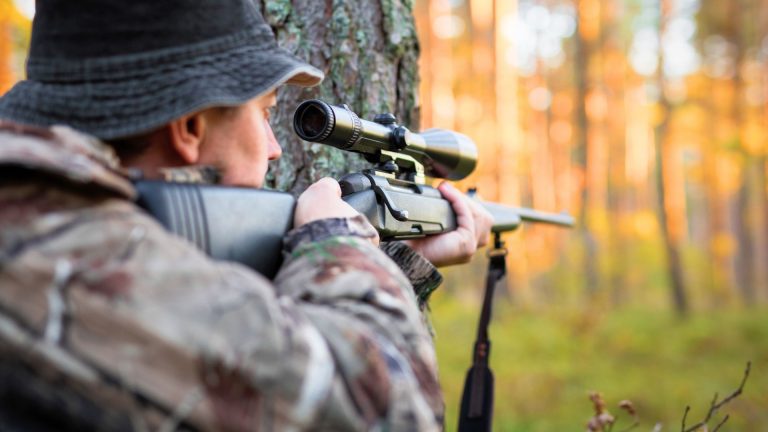
Trapping setups that reduce lost animals
Success in trapping isn’t just about luck—it’s about controlling every factor you can. Proper setups, consistent baiting, and strategic placement drastically reduce lost animals. A trap alone won’t win the day; you need to understand the animal’s habits, cover scent, and ensure your setup encourages a clean catch. Hunters and trappers who consistently see results focus on reliability, predictability, and minimizing mistakes that allow animals to slip away. Here are some proven setups and methods that keep your losses to a minimum while increasing your efficiency in the field.
Elevated Box Traps

Elevated box traps are often overlooked, but raising a trap a few inches off the ground changes the game. Animals naturally investigate elevated objects, especially small predators like raccoons and opossums.
Mounting a sturdy box trap on a post or platform keeps it away from mud, water, and debris, preventing malfunction. It also gives you a better angle for a clean catch and reduces the chances of the animal escaping after tripping the trigger. Securing the trap firmly and using natural bait will increase confidence in its reliability, turning it into a high-success tool.
Dual-Trigger Coil Snares
A coil snare is effective, but dual-trigger setups increase success dramatically. One trigger alone can sometimes misfire or get brushed by a passing animal, causing a failed capture.
Dual-trigger snares ensure the animal’s presence fully activates the mechanism, reducing escapes. Anchoring the snare to a solid stake and camouflaging it with natural materials prevents suspicion. This setup is especially effective for coyotes or foxes moving along trails. With careful placement and trigger alignment, you drastically increase the odds of a clean, effective capture.
Over-Baited Trail Boxes
Many trappers underutilize trail baiting. Placing box traps along well-traveled animal paths and enhancing them with consistent scent or food attractants produces reliable results.
Instead of scattering bait randomly, concentrate scent on the trap entrance, guiding the animal naturally toward the trigger. Over-baiting isn’t about overwhelming the animal—it’s about creating an irresistible pathway that leads to a precise strike zone. This method reduces wasted trips and prevents animals from testing the trap and backing off, making your setup more dependable over time.
Grounded Body-Grip Traps
Body-grip traps often fail due to poor placement or loose anchoring. Securing the trap to a heavy stake or buried log improves both performance and reliability.
Placing it on solid ground, slightly camouflaged, and aligned with a trail ensures the animal approaches naturally. Avoid open areas where the target can detect disturbance or smell human interference. Proper setup ensures the trap triggers efficiently and holds the animal securely, reducing escapes and lost catches.
Water-Edge Coil Snares
Many predators and furbearers move along water edges, but improperly set snares often fail in these areas. Anchoring snares to driftwood or rocks along streams minimizes movement issues.
The key is positioning: the animal must encounter the snare naturally, without feeling tension or obstruction. Slightly angling the snare into the path and using minimal scent masking ensures the target steps into it cleanly. With correct tension and anchoring, water-edge setups yield higher success rates and fewer escapes than random placement.
Camouflaged Conibear Stations
Conibear traps are lethal but can fail if spotted too easily. Using natural materials like branches, leaves, and pine needles to disguise the trap reduces suspicion.
Ensure the trap is firmly anchored and aligned with a natural run. Adding scent or bait inside the station encourages a complete engagement. Animals approaching the trap naturally are less likely to hesitate, triggering the trap properly. Camouflage combined with alignment dramatically reduces misses and lost animals.
Elevated Scent Drags

Scent drags are simple but highly effective when paired with elevated triggers or box traps. By dragging scent along a trail and leading into the trap, you guide animals directly to the mechanism.
Elevating the scent slightly off the ground increases detection by the animal’s nose while reducing contamination from soil. This subtle cue encourages consistent investigation, ensuring animals encounter the trap head-on rather than partially triggering it. Using scent in combination with visual and mechanical cues creates setups that catch more consistently.
Blind-Backed Tube Traps
Tube-style traps are excellent for small predators but often fail due to animals noticing movement or scent from behind. Creating a blind or backing the trap with natural material blocks visibility and wind scent.
This forces the animal to investigate fully before triggering the mechanism. Ensure the trap is flush with the ground and stabilized to prevent wobbling. When combined with bait and scent, blind-backed tubes drastically reduce partial encounters and escapes, providing higher success rates in the field.
Hidden Pivot Trigger Snares
Pivot-trigger snares fail often because the animal brushes the wire without applying enough force. Hiding the trigger under leaves or light brush keeps animals from detecting it.
Set the snare at the proper height for your target species and adjust tension carefully. When executed properly, the pivot trigger reliably activates, improving hold and reducing missed captures. Careful attention to natural placement and concealment makes these snares highly dependable for coyotes, bobcats, and similar predators.
Dual-Bait Lure Points
Instead of relying on one attractant, placing two complementary lures—one at the trap entrance, one further down the approach—keeps the animal focused on the path you want it to take.
This setup reduces hesitation and increases the likelihood of full engagement with the trap. Animals approaching the first scent are naturally guided into the trigger zone. With proper scent masking and minimal disturbance, dual-lure systems dramatically lower the chance of partial trips or aborted encounters, resulting in fewer lost animals.
Adjustable Tension Box Traps
Many box traps fail because spring tension is mismatched to the target species. Adjustable tension allows you to fine-tune the trap to ensure the animal triggers it fully without escape.
Testing and tweaking before actual deployment ensures each trap functions optimally. Heavier targets won’t crush lighter settings, and smaller animals won’t avoid the trap due to overly stiff springs. This attention to detail transforms an otherwise inconsistent trap into a reliable, low-loss tool.
Camouflaged Funnel Setups
Funnel setups guide animals naturally into a trap but are often obvious. Low-profile materials, like fallen branches or brush, create a natural corridor leading into the trap.
Animals follow the path without detecting the trap until the last moment. Combining this with scent and proper anchoring ensures clean engagement. This method reduces missteps, partial trips, or animals backing out mid-approach. The result is a higher catch rate and a setup that performs reliably in repeated uses.
Seasonal Food Stations

Timing bait with natural food availability increases engagement and reduces lost animals. Placing traps near seasonal food sources ensures animals are focused and willing to investigate.
Use minimal disturbance and rotate setups to mimic natural conditions. When animals are concentrated on feeding areas, they’re more likely to encounter your trap completely. Coupled with proper anchoring, camouflage, and trigger mechanisms, seasonal setups convert predictable movement into consistent catches.

Asher was raised in the woods and on the water, and it shows. He’s logged more hours behind a rifle and under a heavy pack than most men twice his age.