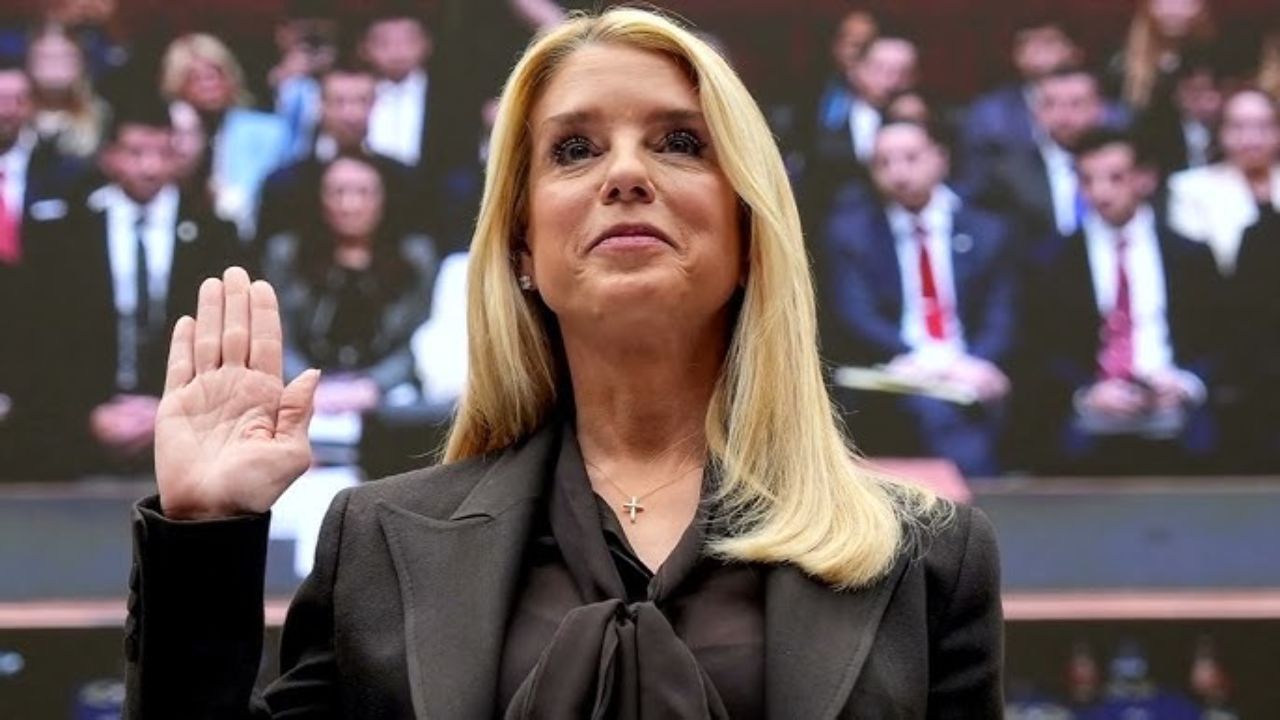
Trump fires Attorney General Pam Bondi after reports she was about to be removed
President Donald Trump removed Attorney General Pam Bondi from her post after days of speculation that her tenure at the Justice Department was nearing an end. The abrupt dismissal capped months of tension over Bondi’s handling of politically sensitive cases and came just as reports suggested she was on the verge of being pushed out.
The firing instantly reshaped the top tier of Trump’s Cabinet, raised fresh questions about the independence of the Department of Justice, and intensified scrutiny of how the administration has dealt with sex-trafficking investigations linked to Jeffrey Epstein.
The abrupt dismissal and what Trump said publicly
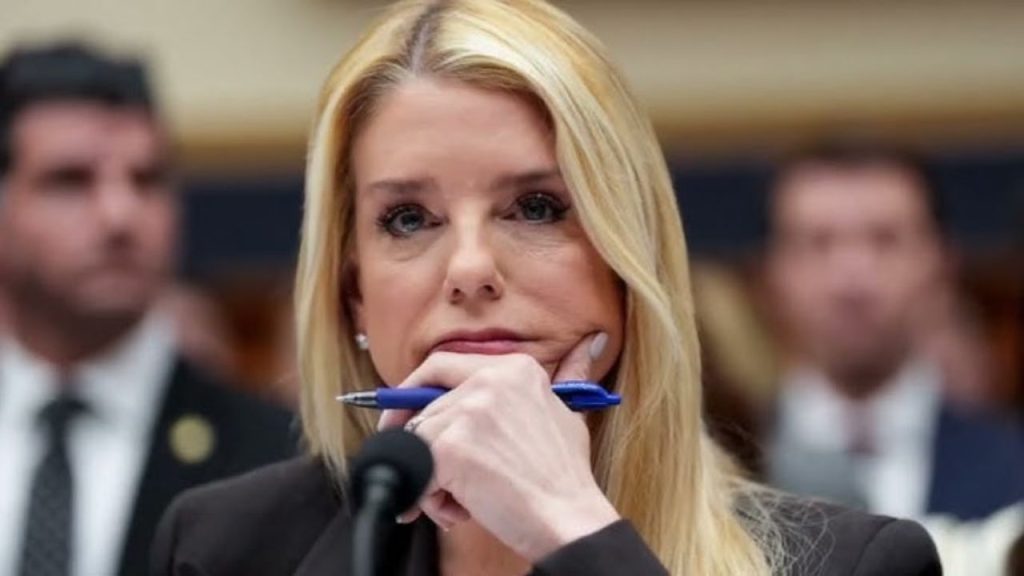
Trump announced that Bondi was out as his attorney general, telling reporters he had decided to make a change at the top of the Department of Justice. In brief public remarks, he praised Bondi as a “talented and respected Legal Mind” while declining to spell out a specific reason for her removal, a contrast that underscored how politically sensitive the move had become.
According to reporting on the decision, Trump had grown increasingly dissatisfied with Bondi’s leadership of the DOJ and her management of several high-profile matters. His allies framed the shake-up as part of a broader effort to install a more aggressive loyalist in the role, while critics saw it as another example of Trump treating the attorney general as a personal defender rather than the country’s chief law enforcement officer. The firing placed renewed attention on Trumphimself and his expectations for the Justice Department.
Bondi’s rise to the top of the Justice Department
Pam Bondi arrived at the DOJ as a familiar figure in Trump’s orbit. A former Florida attorney general, she had been a prominent supporter of Trump’s political career and a frequent defender of his policies on television. Her appointment to lead the Justice Department fit a broader pattern in which Trump turned to loyalists for key Cabinet posts, a trend documented in analyses of Trump’s Cabinet during his current term.
Once in office, Bondi inherited a sprawling portfolio that ranged from routine federal prosecutions to the most politically charged disputes of the era. Supporters argued that her background as a state prosecutor prepared her for the job and that she brought a tough-on-crime posture to Washington. Critics, however, questioned whether her closeness to the president would limit her willingness to challenge the White House when legal obligations clashed with political pressure.
Bondi’s public profile remained high throughout her tenure. Searches for Pam Bondi surged whenever the administration faced a new legal controversy, reflecting how closely her fortunes were tied to Trump’s political standing.
Epstein records and the controversy over DOJ independence
The most damaging cloud over Bondi’s time as attorney general involved the Justice Department’s handling of files related to sex-trafficking investigations into Jeffrey Epstein. Reporting described how Bondi was accused of covering up or mismanaging the release of records on the DOJ’s sex-trafficking investigations into Epstein, raising questions about transparency and whether powerful figures were being shielded from scrutiny.
Critics inside and outside government argued that the department under Bondi appeared slow and opaque when it came to disclosing information about the Epstein cases. Detailed accounts of her tenure described sustained criticism over her handling of the Epstein files and over broader concerns about DOJ independence. Those concerns were not limited to one case, but the Epstein matter became a symbol of perceived reluctance to confront politically sensitive allegations involving influential individuals.
For career officials within the department, the controversy fed a sense that the attorney general’s office was increasingly responsive to political calculations rather than institutional norms. The perception that Bondi might have mismanaged the release of key records about Epstein’s sex-trafficking investigations cut directly against the DOJ’s obligation to apply the law evenly, regardless of who might be implicated.
Growing friction between Trump and Bondi
Behind the scenes, Trump’s frustration with Bondi had been building for months. People familiar with the matter said the president had repeatedly complained about the pace and direction of high-profile prosecutions, including cases that intersected with his political interests. He was described as particularly unhappy with what he saw as Bondi’s cautious approach to using the Justice Department’s power to pursue his priorities.
Reporting indicated that Trump’s dissatisfaction with Bondi as his attorney general extended beyond any single case. Accounts of internal discussions described a president who wanted an attorney general willing to act more aggressively in defending his administration and in pushing legal theories that aligned with his political agenda. Bondi, while loyal in public, did not always move as quickly or as forcefully as Trump preferred.
In the days leading up to her removal, Trump’s inner circle debated how and when to push her out. Advisers weighed the political cost of firing yet another attorney general against the benefits of installing someone more in sync with Trump’s instincts. That internal debate set the stage for a dramatic end to Bondi’s tenure.
Reports of an impending ouster and the final decision
Speculation about Bondi’s future intensified earlier this week, when detailed reports described how Trump had discussed firing her and had even floated possible replacements. One account explained that President Trump had not made a final decision, but he had floated the idea of replacing Bondi with Lee Zeldin, the E.P.A. administrator, signaling that her job security was already in serious doubt.
Those reports made clear that Trump was actively considering a shake-up at the Justice Department. Advisers who favored Bondi urged the president to delay any move until after several sensitive investigations concluded, while others argued that keeping her in place would only prolong internal tensions. The public disclosure that Trump had been weighing her replacement with figures like Lee Zeldin further undermined her authority within the department.
By the time Trump officially fired Bondi, the decision no longer came as a surprise in Washington. The timing, however, still carried symbolic weight. The president acted just as the fallout over the Epstein records and DOJ independence reached a new peak, and just after coverage had framed Bondi as an attorney general already on the brink of removal. The sequence of events made it appear that Trump moved quickly to assert control once his deliberations became public.
How the firing was communicated and immediate reactions
The announcement of Bondi’s removal unfolded in characteristically Trump fashion, with a mix of formal statements and social media commentary. He used his public platforms to confirm that Pam Bondi was out as attorney general and to offer praise for her service, even as he provided few concrete details about the reasons for her dismissal.
One of the clearest summaries of the decision came in coverage noting that President Donald Trump fired Attorney General Pam Bondi after continued fallout over her handling of the DOJ’s files about sex offenses linked to Epstein. That reporting also highlighted that Trump had publicly complimented Bondi’s abilities while privately complaining about her performance. The contrast between Trump’s flattering language and the underlying grievances illustrated how politically sensitive the firing had become for the White House.
Trump’s allies quickly echoed the president’s framing, describing Bondi as a capable lawyer who had simply completed her service and suggesting that a new attorney general would bring fresh energy to the role. Critics, including some former DOJ officials, argued that the move appeared designed to tighten Trump’s personal grip on federal law enforcement at a time when the department was already under intense scrutiny.
Bondi’s response and attempt to shape her legacy
Former US Attorney General Pam Bondi did not remain silent after her removal. In her first public comments since being fired from her position, Bondi defended her record at the Justice Department and pushed back against suggestions that she had mishandled the Epstein files or compromised the department’s independence.
Her allies emphasized her years of experience as a prosecutor and her early support for Trump, arguing that she had been put in an impossible position, expected to satisfy both the president’s political demands and the DOJ’s institutional obligations. In their view, the controversy over the Epstein records reflected broader tensions within the department over transparency and privacy in sensitive cases, not a deliberate effort to shield anyone from accountability.
Critics countered that the pattern of delays and limited disclosures in the Epstein matters pointed to a deeper problem. They argued that Bondi’s Justice Department had too often appeared to prioritize political considerations, especially when cases intersected with Trump’s interests or with powerful figures connected to his circle. The debate over Bondi’s legacy is likely to continue as more details about the department’s internal decision-making come to light.
The search for a successor and Lee Zeldin’s name in the mix
Attention now turns to who will replace Bondi at the Justice Department. Even before the firing became official, Trump had discussed potential successors, and one name surfaced repeatedly in reporting: Lee Zeldin. According to detailed accounts of Trump’s deliberations, the president had floated the idea of replacing Bondi with Lee Zeldin, the E.P.A. administrator, as he considered how to reshape his legal team.
Another report on the firing noted that President Donald Trump fired Attorney General Pam Bondi and that his allies were already promoting Zeldin as a possible choice to take over the DOJ. Zeldin’s role at the Environmental Protection Agency and his reputation as a loyal Trump supporter made him an attractive option for those in the White House who want an attorney general closely aligned with the president’s political agenda.
Any nomination would still have to move through the Senate confirmation process, where questions about DOJ independence and the handling of cases like the Epstein investigations would likely dominate. Senators from both parties are expected to press any nominee on how they would protect the department from political interference, especially after Trump’s very public dissatisfaction with Bondi’s perceived caution.
What the firing signals about Trump’s approach to the DOJ
Bondi’s ouster fits a broader pattern in Trump’s relationship with the Justice Department. Throughout his time in office, he has repeatedly signaled that he expects the attorney general to act as a defender of his administration and a willing participant in his political battles. When attorneys general or senior DOJ officials have resisted that expectation, they have often found themselves marginalized or removed.
In Bondi’s case, the tension centered on both policy and pace. Trump was described as frustrated by her handling of politically sensitive cases and by what he saw as her reluctance to deploy the full power of the DOJ in ways that aligned with his goals. At the same time, Bondi’s critics accused her of already going too far in accommodating the president, especially in matters touching on Epstein and other controversies that carried political risk for Trump.
The firing sends a clear message to anyone who might follow her into the job. The next attorney general will take office knowing that Trump has little patience for perceived independence and that he is willing to remove top officials when they do not meet his expectations. That dynamic raises the stakes for future decisions on investigations that involve the president’s allies, his opponents, or his own conduct.

Leo’s been tracking game and tuning gear since he could stand upright. He’s sharp, driven, and knows how to keep things running when conditions turn.