Trump, Responding to Soldier’s Arrest Over Alleged Betting on Maduro’s Capture, Calls World ‘Somewhat of a Casino’
You might have caught the headlines about a U.S. special forces soldier facing charges after allegedly turning classified details from a high-stakes military operation into personal profit through online bets. President Trump addressed the matter directly, noting how the world feels more like a casino these days. This story mixes military secrecy, prediction markets, and questions about where information lines get crossed in today’s fast-moving information environment. It sheds light on broader shifts in how people wager on real-world events, especially when those events involve sensitive government actions.
The Soldier and the Operation
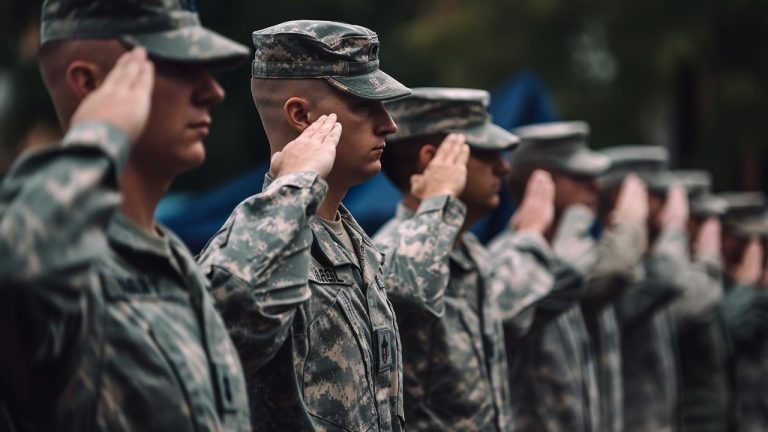
Gannon Ken Van Dyke served as an Army master sergeant with special forces, stationed at Fort Bragg in North Carolina. He took part in planning and carrying out the operation that led to the capture of Venezuelan President Nicolás Maduro in early January. Federal prosecutors say he had access to classified information about the timing and details of that mission, known internally as Operation Absolute Resolve.
Van Dyke opened an account on the prediction market platform Polymarket late last year. Investigators claim he placed roughly 13 bets totaling around $33,000 on outcomes tied to U.S. involvement in Venezuela and Maduro’s removal from power by the end of January. Those wagers paid off handsomely once Trump publicly announced the successful raid, netting Van Dyke more than $400,000. He now faces charges including using classified information for personal gain, wire fraud, and unlawful monetary transactions.
Trump’s Direct Response
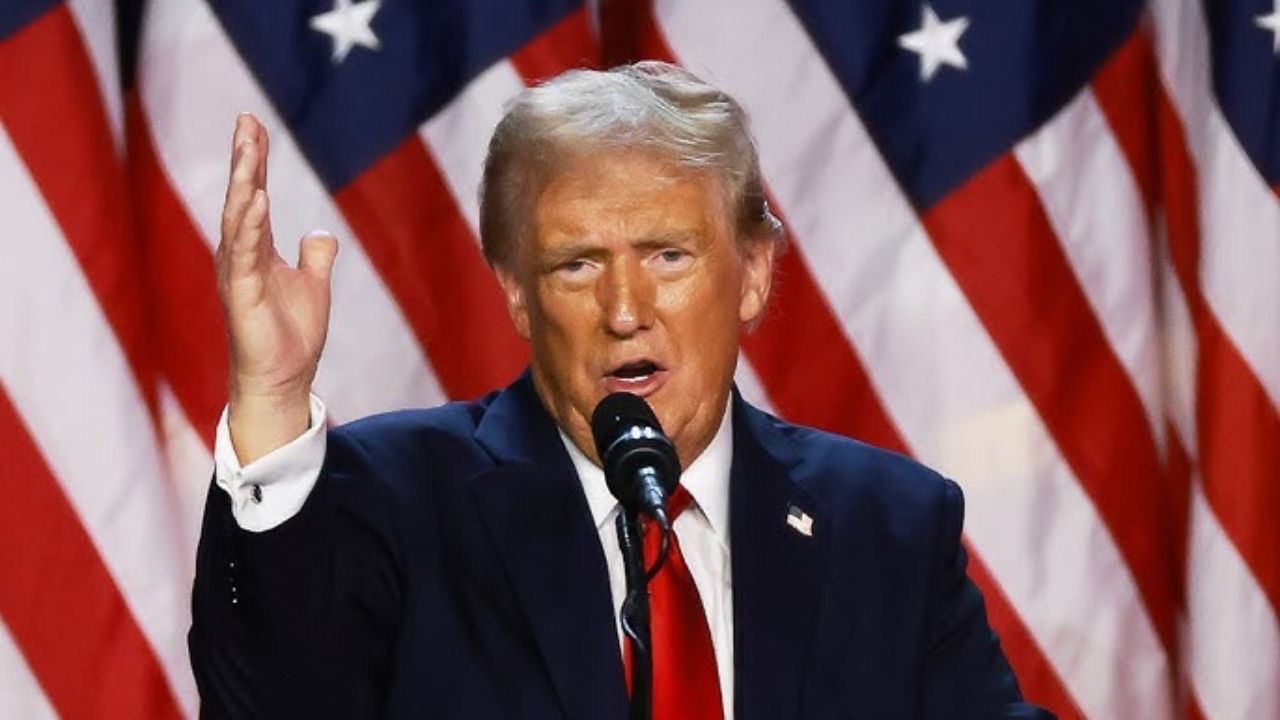
You hear Trump speaking to reporters in the Oval Office, acknowledging the arrest but saying he would look into the details further. He framed the situation against a larger trend, pointing out that betting on global events has spread everywhere, including Europe. His words carried a sense of resignation mixed with observation, reflecting on how prediction markets have grown in popularity.
He drew a parallel to baseball legend Pete Rose, who faced consequences for betting on games involving his own team. Trump noted that betting in support of one’s own side differs from betting against it. This take highlights his view that while he does not favor these markets in principle, they have become part of the current landscape.
Rise of Prediction Markets
Platforms like Polymarket let people place wagers on everything from election results to geopolitical developments. They gained traction in recent years as users sought ways to express views through financial stakes rather than just opinions. In this case, the markets included specific contracts on U.S. forces entering Venezuela or Maduro leaving power by certain dates.
Critics worry that such platforms create incentives for people with inside access to leak or act on nonpublic information. Supporters see them as efficient ways to aggregate crowd wisdom and forecast outcomes. The Van Dyke case brings fresh attention to how these tools operate when national security enters the picture.
Questions of Classified Information
Federal authorities emphasize that Van Dyke signed nondisclosure agreements covering sensitive details from the operation. Prosecutors argue he drew on that knowledge when making his bets in the days leading up to the raid. This raises ongoing concerns about safeguarding secrets in an era when digital platforms make rapid financial moves possible.
Military personnel operate under strict rules to protect operational security. Any perceived breach can undermine trust within the ranks and with the public. Cases like this prompt reviews of training, monitoring, and the boundaries between personal financial decisions and professional duties.
Broader Context in Venezuela
The operation itself followed years of tension between the United States and Maduro’s government. His capture marked a significant development in efforts to address political instability and leadership issues in the country. Trump highlighted the success when announcing it publicly.
Venezuela’s situation has drawn international focus for economic challenges, migration flows, and governance questions. The U.S. action reflected a policy approach aimed at removing a figure long viewed as problematic by American officials. Outcomes continue to shape regional dynamics.
Reactions and Calls for Leniency
Some voices, including members of Congress, have suggested considering a pardon for Van Dyke given his service record. They frame the bets as a lapse rather than outright betrayal. Others stress the importance of upholding rules regardless of the individual’s contributions.
Public discussion continues online and in media circles. People debate whether the profits reflect clever foresight or improper use of advantage. This divide mirrors larger conversations about accountability in high-pressure environments.
Implications for Future Operations
You consider how incidents like this might affect planning for sensitive missions moving forward. Leaders may tighten information sharing or add extra layers of oversight around personnel involved in covert work. Prediction markets could face increased scrutiny from regulators.
The episode serves as a reminder that technology evolves faster than rules sometimes. Balancing innovation in information markets with the need to protect vital secrets remains an ongoing challenge for policymakers and military commanders alike.

Asher was raised in the woods and on the water, and it shows. He’s logged more hours behind a rifle and under a heavy pack than most men twice his age.