Trump’s proposed ‘Amazon for guns’ marketplace raises questions over potential benefits to Don Jr
The idea of an expansive online platform for firearms has surfaced as the Trump administration considers changes to rules governing gun sales. These shifts could ease restrictions on how guns move through commerce, including options for direct delivery. At the same time, Donald Trump Jr. maintains a notable stake in GrabAGun, a Texas-based retailer that positions itself as a comprehensive digital destination for firearms and related items. Observers note the overlap between policy directions and family business interests.
Such developments invite scrutiny about how deregulation might reshape the market and who stands to gain. You see familiar patterns where political power and private enterprise intersect in visible ways.
The background of GrabAGun
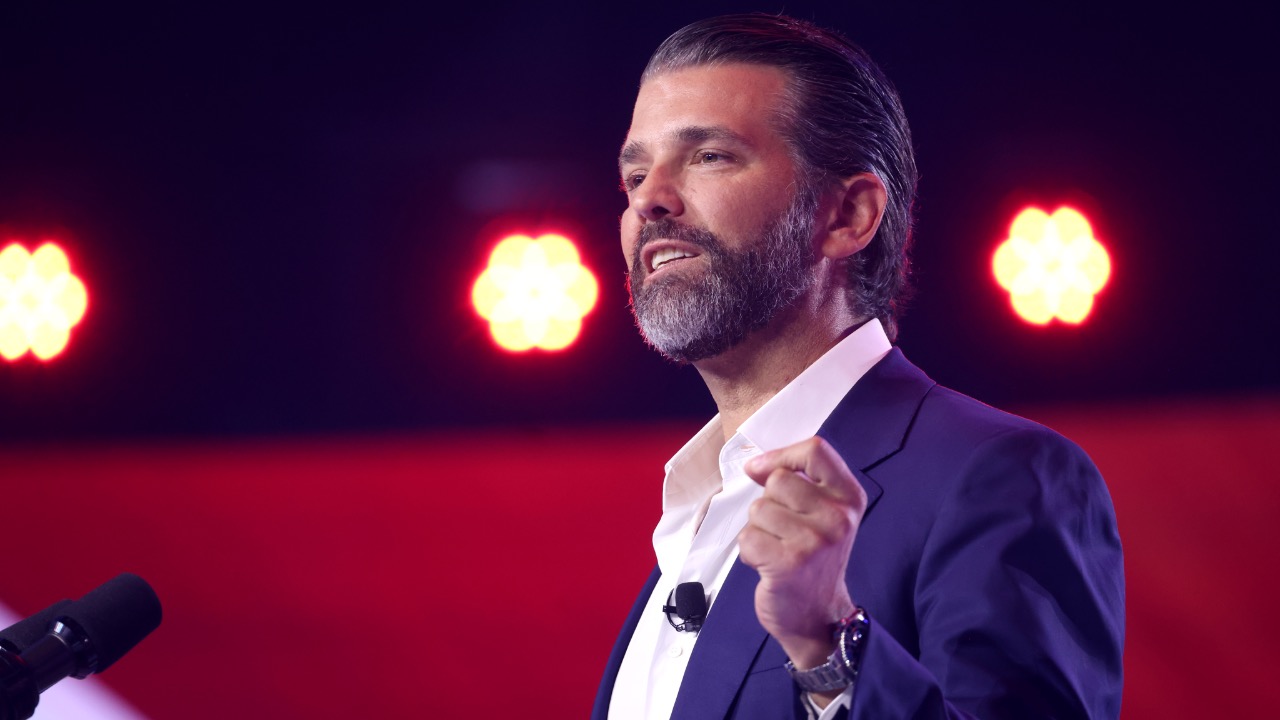
GrabAGun operates as an online seller of guns, ammunition, and accessories. The company went public through a merger and trades under the ticker PEW. Donald Trump Jr. serves on its board and holds shares, reportedly around one percent of the company.
This setup places him in a position to benefit if sales volume increases. You encounter a retailer that has built its identity around convenience and access in a sector long shaped by federal oversight and state laws. The company’s growth depends on navigating those rules effectively.
Proposed changes in federal rules
The administration has floated adjustments at the ATF and with postal service policies. These moves could allow more streamlined verification processes and potentially open doors to shipping firearms directly to buyers under certain conditions.
You watch as older restrictions on mail-order sales face reconsideration decades after they were tightened. The goal appears to center on reducing friction in legal transactions while maintaining background checks. How these proposals play out will determine their reach across the industry.
Potential impact on online sellers
A more permissive environment could expand the customer base for platforms like GrabAGun. Easier processes might draw in buyers who prefer shopping from home rather than visiting physical stores.
You consider the practical side. Reduced barriers could boost revenue for companies ready to handle logistics and compliance at scale. Smaller operators might struggle to keep pace, leading to further consolidation in the online space.
Questions of family involvement
Donald Trump Jr.’s role at GrabAGun draws attention because of his father’s position. The combination of policy influence and personal financial ties creates a situation where benefits could flow in one direction.
You notice how these arrangements prompt debate about transparency and separation. Public records show the stake and board position, yet the optics remain complex. Discussions often focus on whether decisions prioritize broad access or narrower gains.
Broader context in gun commerce
Gun sales have evolved with technology, but regulations have lagged in some areas. Past efforts to tighten online rules followed high-profile incidents and concerns over traceability. Current proposals move in the opposite direction.
You reflect on how the market might respond. Increased volume could support jobs in shipping and fulfillment, yet it also raises issues around safety and enforcement. The tension between commerce and control remains central to these conversations.
What lies ahead for this marketplace vision
If the changes advance, platforms aiming for an all-in-one experience could see significant expansion. GrabAGun and similar sites would test whether the model works at larger scale.
You track the developments as they unfold. Outcomes will depend on legal challenges, congressional responses, and public reaction. The intersection of family business and national policy continues to shape how these issues advance.

Asher was raised in the woods and on the water, and it shows. He’s logged more hours behind a rifle and under a heavy pack than most men twice his age.