Twelve fearless animals known to confront bears
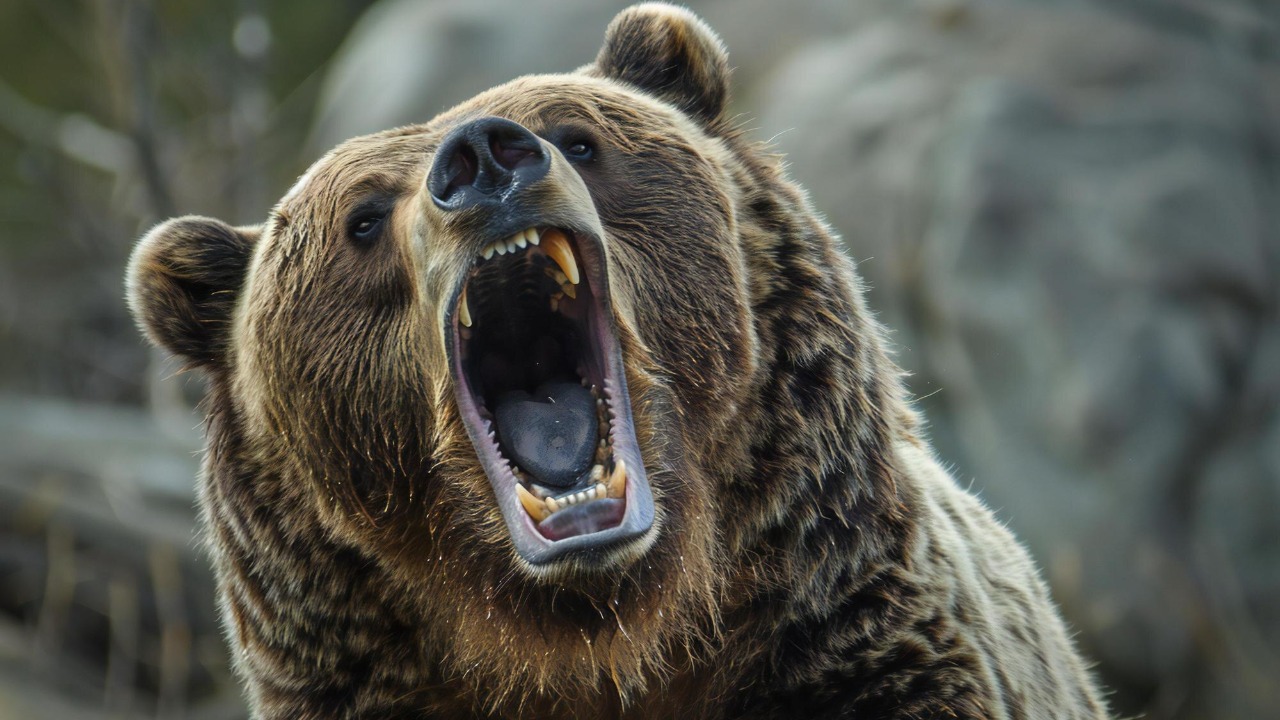
Bears sit near the top of the food chain, yet in forests, tundra and coastal shallows they still meet rivals willing to stand their ground. From compact carnivores to massive herbivores, at least a dozen species have evolved the nerve, weapons and social tactics to challenge a bear rather than flee. Taken together, these confrontations reveal how fearlessness in the wild is usually a calculated response to competition, territory and survival, not simple aggression.
Here I look at twelve animals, from honey badgers and wolverines to moose, bison and walruses, that are documented or widely recognized as capable of facing down bears. Each does it in a different way, whether through raw size, pack coordination or sheer refusal to back off, and together they show how even apex predators can be forced to think twice.
Why any animal dares to confront a bear
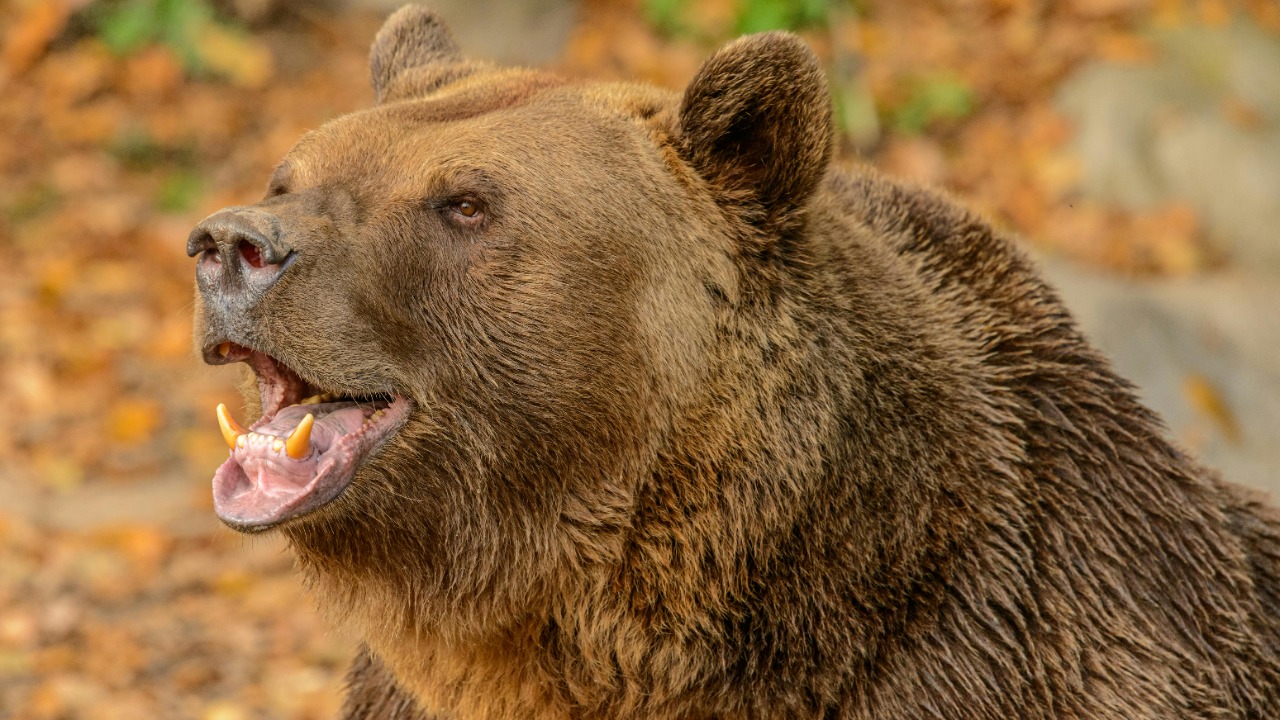
To understand why these twelve species sometimes take on bears, it helps to start with the power imbalance. Bears are described as fearing no other animal, occupying the role of apex predators that even a wolf pack hesitates to challenge. Yet the same reporting notes that when food is scarce, competition at carcasses can push other carnivores to test that dominance for their share. Confronting a bear is rarely about bravado; it is about defending a kill, offspring or territory when retreat would mean starvation or genetic dead end.
Predators and large herbivores that stand up to bears tend to share a few traits: strong defensive weapons, either in the form of claws, horns or tusks; social coordination that lets them mob a larger foe; or an almost reckless confidence that makes them hard to intimidate. Ethologists sometimes talk about “boldness” as a personality trait, but as one behavioral explainer on Why This Small animals notes, some species are wired so that when others run, they fight. That pattern runs through the dozen animals below, which repeatedly show that even a grizzly can be forced into a stalemate or a retreat.
Honey badger: the small carnivore that refuses to yield
The honey badger is the clearest example of a small animal that simply does not accept the usual predator hierarchy. One detailed description calls the Honey Badger “Notorious for” strength, ferocity and toughness, noting that it has been known to attack and repel almost any other animal in its range. Another account goes further, stating that the species has been called the world’s most fearless animal because it does not hesitate to attack animals much larger than itself, a reputation reinforced by records of confrontations that earned it a place in Records for fearlessness.
That attitude translates directly into clashes with bears where their ranges overlap, particularly in parts of Asia where sloth bears and honey badgers may compete for burrows or honey. The badger’s loose, thick skin and powerful jaws make it hard to subdue quickly, so a bear that expects a quick win can instead find itself in a prolonged, painful fight. Ethologists point out that this kind of extreme boldness fits the pattern highlighted in videos about Others that never back down: when a small carnivore relies on intimidation as much as on size, it can sometimes bluff even an apex predator into disengaging.
Wolverine: “special forces” of the northern wild
If the honey badger is the fearless fighter of Africa and parts of Asia, the wolverine fills that role across northern forests and tundra. One field account describes Wolverines as “the special forces of the wild,” emphasizing that they are known for their strength, ferocity and independence despite their relatively small size. That same description highlights how their powerful limbs and broad paws help them navigate deep snow, letting them reach carcasses and den sites that bears also covet. In those frozen contests, a wolverine’s willingness to charge, snarl and cling to a much larger opponent can be enough to make a bear reconsider.
Conservation reporting underscores that this fearlessness has not protected the species from human pressures. A detailed review notes that in 2010 it was determined that wolverines did need protection, but the Fish and Wildlife chose to handle other matters they deemed more important first. That bureaucratic hesitation contrasts sharply with the animal’s own behavior: in the field, observers repeatedly document wolverines driving bears off carcasses or at least forcing them into tense standoffs, a reminder that ecological toughness and political vulnerability often coexist.
Karelian bear dogs and wolves: canids that push back
Among domestic animals, few are as closely associated with confronting bears as Karelian bear dogs. In the mid‑1990s, wildlife specialist Carrie Hunt began using these dogs to haze problem bears away from human settlements, and those early animals became the foundation for the Wind River Bear, where Hunt bred and trained them for aversive conditioning. A separate account notes that in 1996, Hunt founded the Wind River Bear Institute in Florence, Montana, specifically to train this breed to chase and bark at bears and to condition them to steer clear of people. These dogs are not large enough to kill a bear, but in coordinated teams they are bold enough to run at it, nip and harry until the bear retreats, effectively weaponizing fearlessness as a conservation tool.
Wild wolves take a different approach, relying on numbers and strategy rather than human training. The same footage that emphasizes that Even a wolf pack hesitates before facing a full‑grown grizzly also shows that when the stakes are high, wolves will surround and harass a bear at a carcass. They dart in to bite hindquarters, then scatter before a counterattack, repeating the pattern until the bear either abandons the food or accepts a share. That willingness to test an apex predator, even cautiously, earns wolves a place among the dozen species that routinely confront bears when survival demands it.
Moose, bison and other giants that stand their ground
Not every animal that faces down a bear is a carnivore. In northern forests and wetlands, adult moose are among the few herbivores that can injure or kill a bear outright. Their sheer size and long legs give them a reach advantage, and a cow defending a calf will often charge, kicking and stomping with enough force to break bones. Overviews of the world’s largest animals note that moose rank among the giants that redefine what “big” means in nature, part of a roster of twelve massive species that includes whales, elephants and other titans of Earth. That scale alone makes a hungry bear think twice about attacking a healthy adult.
On open plains, American bison play a similar role. A mature bull can weigh more than a tonne, and a defensive charge with lowered horns can be fatal to a bear that misjudges the distance. Ethological surveys of large mammals emphasize that such giants are not aggressive by default, but when cornered or when calves are threatened, they shift from passive grazers to formidable opponents. In that sense, bison and moose fit the same pattern as the smaller fearless animals: they are generally calm, but when forced into a confrontation, they commit fully, using size and weaponry to turn a bear’s predatory advantage into a liability.
Walrus, polar bear rivals and the limits of apex status
In the Arctic, the dynamic between bears and their rivals looks different again. Polar bears are often portrayed as the ultimate predators of the north, yet even they struggle with some prey. A widely shared breakdown of animal matchups notes that Seriously large walruses, armed with long tusks and thick hides, can be so dangerous that “Polar” bears straight up struggle with this thing. The analysis stresses that this is not some beach bum with tusks but a two‑thousand‑kilogram opponent that can gore or crush a bear in the water or on ice. When a walrus turns to face a charging bear, it is not just fearless; it is leveraging anatomy that can flip the outcome of a hunt.
Other marine mammals, such as large male sea lions, sometimes show similar resolve when cornered, but walruses are the clearest case of an animal that both confronts and occasionally defeats polar bears. These clashes highlight the limits of apex status: even the top predator in a region can find itself outmatched when a prey species combines bulk, armor and the willingness to stand its ground. For observers, such scenes are a reminder that “fearless” in the wild is not about seeking conflict but about refusing to yield when escape is no longer an option.
Boar, musk ox and the psychology of fearlessness
Wild boar and feral hogs add another layer to the list of animals that will not back down from bears. Their curved tusks can inflict deep wounds, and a cornered boar is notorious for charging anything in its path. Discussions among zoologists and enthusiasts about aggression, including one thread framed as There An Animal, often cite boar as examples of animals that seem to attack first when threatened at close range. That same hair‑trigger defensiveness applies when a bear pushes too close to piglets or a feeding site, leading to violent clashes in which the smaller animal’s determination can surprise the larger predator.
In Arctic and sub‑Arctic regions, musk oxen show a more organized version of this courage. When wolves or bears approach, adults form a defensive ring around calves, presenting a wall of horns that few predators are willing to test head‑on. This behavior aligns with the idea, explored in analyses of But a few species that stand their ground like they have nothing to lose, that fearlessness can be a collective strategy as much as an individual trait. For musk oxen, the decision to hold formation rather than flee turns a group of vulnerable grazers into a single, bristling unit that even a hungry bear may decide is not worth the risk.
Supporting sources: all the Xingyi.

Leo’s been tracking game and tuning gear since he could stand upright. He’s sharp, driven, and knows how to keep things running when conditions turn.