Twelve rules backpackers sometimes overlook in protected areas
Across the United States, agencies such as the Bureau of Land Management, The NPS and local forest districts are tightening expectations for how visitors behave in protected areas, from backcountry campsites to high-traffic overlooks. As more people head into wilderness, rangers now routinely fine backpackers for violations that once earned only a warning, from mishandling food to camping too close to water. Every season I see the same pattern: experienced hikers who know how to pack a bag still overlook basic rules that protect wildlife, other visitors and the land itself.
In this piece, I walk through twelve of those easily missed rules, drawing on guidance that ranges from Leave No Trace groups in places like Dolly Sods to official hiking etiquette from The NPS and practical lessons from Yellowstone and Glacier National Parks. Each one is simple in theory, but in practice they demand more planning, more awareness and more humility than many backpackers bring to the trail.
1. Learn the local rulebook before you lace your boots

Most trouble in protected areas starts before anyone reaches the trailhead, when hikers assume that every park or forest runs on the same informal code. In reality, each land manager, from The NPS to county open space programs, writes its own rules about where you can camp, how long you can stay and what kind of fires or stoves are allowed. Federal agencies such as the Bureau of Land Management manage vast tracts of public land in states like Arizona, California, Colorado, Idaho, Montana and New Mexico, and each field office can set different limits on camping zones, group size and campfire use, even within the same state, so I need to read those regulations instead of guessing.
Backpacking educators often frame this as the first step of trip planning, right alongside checking weather and gear. One video on Leave No Trace asks blunt questions such as Are there fire regulations, Where can you camp and What permits or dog rules apply, then argues that everyone will be better off if hikers answer those before they drive. I treat that as a checklist: I look up whether a site is managed by a local ranger district, a national forest or the Bureau of Land Management through its own portal at BLM, then read the fine print on camping setbacks, fire bans and seasonal closures before I ever shoulder a pack.
2. Treat Leave No Trace as a floor, not a ceiling
Many backpackers can recite the Leave No Trace slogan, but in protected areas I see a gap between knowing the phrase and living it in full. The Leave No Trace Principles are THE starting point for low impact travel, yet they are often treated as optional suggestions instead of a baseline ethic. I try to remember that agencies and outfitters now present Leave No Trace as a shared obligation, not a personal preference, because the cumulative effect of small lapses in heavily visited parks can be severe.
Practical guides for new hikers frame these principles as the main way to protect soil, water and wildlife while backpacking, and they spell out habits that go beyond simply packing out trash. One resource on how to protect the environment while backpacking states bluntly that Leave No Trace are THE place to start, then adds other steps such as avoiding shortcuts that cause erosion and choosing durable surfaces for rest stops. I read that as a reminder that in fragile alpine meadows or desert cryptobiotic soil, the ethical bar is higher: I need to walk on rock or established trail even when a softer line looks tempting.
3. Respect other hikers’ experience, not just their space
On popular trails, the most overlooked rules are social rather than ecological. I see backpackers who would never litter still blasting music on Bluetooth speakers or blocking narrow paths while they chat. The National Park Service boils good behavior down to a simple golden rule, urging visitors to treat others the way they would want to be treated, and then spells out practical expectations such as yielding to uphill hikers and keeping group noise in check so everyone can enjoy the sound of wind and water instead of phone playlists.
Community groups echo that message with their own shorthand. A Leave No Trace post aimed at Dolly Sods backpackers lists The Basics as Respect others and protect the quality of their experience, then adds specific reminders such as Be courteous and Yield to other users on the trail, especially in tight sections where stepping aside briefly can prevent collisions. I keep that in mind when I pass families or slower groups, and I also think about shelter life: guidance on shelter etiquette urges hikers to Respect Hiker Midnight Socializing with other backpackers while still recognizing that some campers like to sleep early, so I try to keep conversations and headlamp beams low once quiet hours start.
4. Follow the unwritten trail courtesies that keep everyone safe
Beyond posted rules, there are quiet customs that keep traffic flowing and reduce conflict, and I see experienced hikers forget them as often as beginners. One of the most basic is how to handle steep, narrow slopes or sections where hikers share space with vehicles. A popular discussion of unwritten hiking rules stresses simple practices such as Step aside on slopes when someone is moving faster and giving priority to Vehicles making tight turns on narrow mountain roads, because a few seconds of patience can prevent accidents.
Formal hiking etiquette from The NPS aligns with that informal wisdom, explaining that hikers coming uphill have the right of way because stopping on a climb is harder than pausing on a descent. The same guidance, introduced with the phrase Here, encourages visitors to communicate clearly when passing and to keep pets under control so they do not trip other hikers. I try to treat these customs as nonnegotiable safety habits, especially on busy routes where a single misstep can send someone tumbling.
5. Keep your distance from wildlife, even when the camera calls
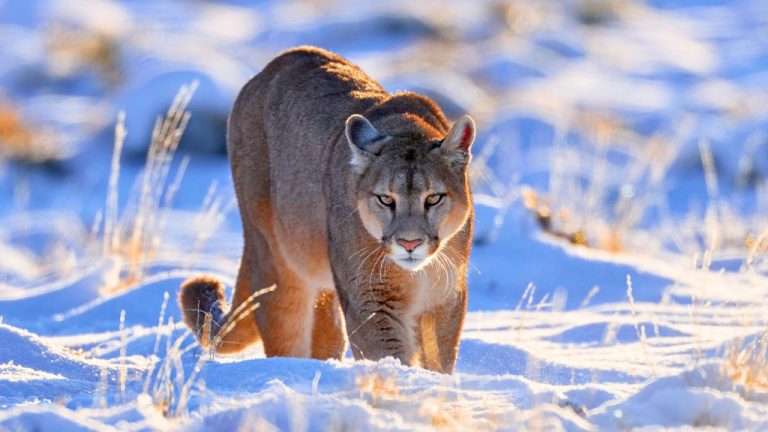
Protected areas exist partly to give animals room to live without constant human pressure, yet I still see backpackers edging closer to elk, bears or mountain goats to capture a better photo. That behavior is not just risky, it often violates specific rules about minimum viewing distances and food storage. Guides to responsible wildlife viewing repeat the same core message: Keep food secured, never bait wildlife for a better shot and use zoom instead of distance, and if a ranger tells you to back up, do it immediately.
Official wilderness guidance goes further, warning visitors to Observe wildlife from a distance, Do not follow or approach them and Never feed animals because Feeding wildlife damages their health and can alter natural behavior. Advice for avoiding mistakes in Yellowstone and Glacier National Parks adds that visitors who ignore those limits can be removed from the park or fined, and it emphasizes that no photo is worth provoking a defensive charge from a large animal. I remind myself that even the tiniest, cutest, fluffiest baby goat is part of a larger herd that can be bigger and stronger than me, as one outdoor ethics piece framed it under the heading Just Say No to DIY Wildlife Encounters, so my rule is simple: I stay far enough away that the animal never changes its behavior because of me.
6. Choose legal campsites and give water sources room
Where I pitch my tent can quietly break the rules even when the spot looks pristine. Many protected areas prohibit Setting up your tent too close to water sources or trails, with camping banned within specific distances such as 200 feet from lakes and streams to protect riparian habitat and water quality. Those setbacks also keep human waste and greywater from seeping into creeks that wildlife and downstream communities rely on, so I try to picture how runoff will move during a storm before I settle in.
Some parks and forests add extra layers, such as designated backcountry sites or seasonal closures around sensitive meadows and nesting areas. Local etiquette guides, including one focused on backpacking around Summit County, Colorado, fold this into the broader Leave No Trace idea of Plan ahead and prepare, urging visitors to Know local regulations and special concerns for the area and to Prepare for extreme weather, hazards and emergencies so they do not end up camping illegally out of desperation. I take that as a prompt to study maps for legal sites, carry a backup plan if my first-choice zone is full and accept that in some corridors, the only lawful option is to stay in marked pads or shelters even if a nearby meadow looks inviting.
7. Lock down your food and trash like a ranger is watching
Food storage is one of the fastest ways backpackers run afoul of both rangers and wildlife. In many high-profile parks and refuges, visitors are now fined when they leave coolers or backpacks unattended or fail to use bear-resistant containers where they are required. A travel advisory about fines in popular U.S. destinations spells it out clearly, urging visitors to Keep food secured, never bait wildlife for a better shot and warning that even a brief lapse in a parking lot or picnic area can lead to citations and lost access for the day.
Yellowstone and Glacier National Parks have become case studies in what happens when people treat food casually. A trip-planning guide for those parks explains that visitors who ignore food storage rules risk not only fines but also the removal of bears or other animals that learn to associate humans with easy calories, and it stresses that rangers will not hesitate to remove people or animals from the park when safety is at stake. I try to internalize that by treating every crumb as potential wildlife bait, storing my meals and trash in approved containers, cooking away from my sleeping area and never leaving my pack unattended, even for a quick bathroom break.
8. Protect shelters, infrastructure and working lands
Backcountry shelters, pit toilets, fences and gates might look rugged, but they are often fragile systems that depend on everyone using them correctly. Shelter etiquette guides remind backpackers that Socializing with other backpackers is one of the trail’s greatest joys, but they also ask visitors to Respect Hiker Midnight and keep noise down so others can sleep, to pack out all trash and to leave bunks, hooks and cooking areas cleaner than they found them. I extend that same ethic to any human-made structure, from historic fire towers to simple trailhead kiosks.
On the broader landscape, I have to remember that wilderness and public lands are not always empty of industry or agriculture. A detailed look at livestock management in the West notes that the majority of public lands grazing in the 11 western states of Arizona, California, Colorado, Idaho, Montana, New Mexico, Nevada, Oregon, Utah, Washington and Wyoming occurs on Bureau of Land Management and United States Forest Service land, which means backpackers regularly cross active grazing allotments. When I pass through those areas, I close gates behind me, avoid disturbing cattle and respect signs that restrict camping or dogs near water troughs or corrals, because those rules are part of how agencies balance recreation with ranching.
9. Remember that etiquette is part of access, not an optional extra
Behind every posted rule and unwritten custom sits a larger question: who feels welcome in protected areas and who gets to shape how they are used. Analyses of park visitorship point out that Colloquially, rangers refer to NPS sites as “America’s best idea,” yet The NPS can create accommodations for visitors, write permits for use and approve monuments in ways that influence which communities show up and how they experience those places. When visitors ignore regulations or treat etiquette as optional, managers sometimes respond with tighter quotas, more permits and higher fines, which can make access harder for people who already face barriers to outdoor recreation.

Leo’s been tracking game and tuning gear since he could stand upright. He’s sharp, driven, and knows how to keep things running when conditions turn.