U.S. Army Survivors Say Slain Soldiers Were Dangerously Exposed and Dispute Hegseth’s Account
Survivors of a deadly drone strike on a U.S. Army outpost in Kuwait say their unit was left exposed in an open motor pool with almost no protection, contradicting official descriptions that framed the attack as unavoidable. Their accounts also directly challenge Fox News host and former Army officer Pete Hegseth, who has publicly defended the mission and the Pentagon’s version of events.
The clash between soldiers who lived through the strike and a high-profile media ally of Donald Trump has turned a battlefield tragedy into a test of credibility for the Army and civilian leaders. At stake are not only reputations, but also how the military prepares frontline troops for the next confrontation with Iran and its proxies.
What happened

The attack unfolded at Tower 22, a small U.S. logistics hub near the Kuwait-Iraq border that supported operations across the region. Survivors say the base had become a soft target long before the drone arrived, describing rows of vehicles parked in the open, soldiers sleeping in tents and trailers, and a lack of hardened shelters despite months of Iranian-backed drone and missile activity in the theater.
According to multiple soldiers who spoke to investigators and reporters, their unit had repeatedly flagged the vulnerability of the motor pool and living areas. They say requests for additional barriers, overhead cover, and improved early warning systems went unanswered or were slow walked, leaving troops to improvise with sandbags and ad hoc bunkers. Those accounts are reflected in detailed survivor interviews that describe an outpost they considered “unprepared” for a precision strike from Iran or its proxies, including in one report that highlights how soldiers were dangerously.
When the hostile drone approached, survivors say the base’s defenses failed at multiple points. They recount that radar operators initially mistook the incoming aircraft for a friendly system and that the drone flew a route designed to exploit known gaps in air defenses. Their testimony also describes alarms that either did not sound in time or were not clearly understood in the chaos, leaving troops with seconds, not minutes, to react.
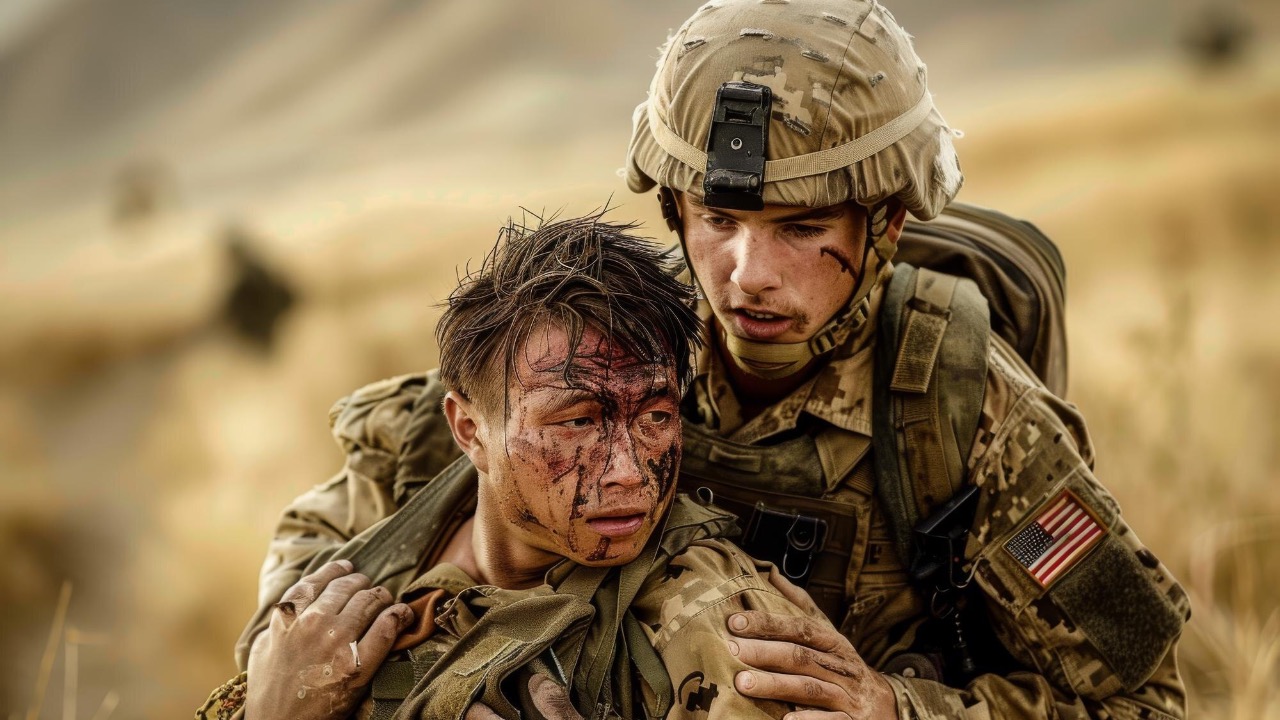
The strike hit where soldiers were most vulnerable. Survivors describe an explosion ripping through an area where personnel were sleeping or working without overhead protection, killing several and wounding others with shrapnel and debris. One survivor recalled waking up under collapsed metal and canvas, struggling to breathe as fire spread through the motor pool. Another described carrying a friend with catastrophic leg injuries while fearing a follow-up attack.
In the immediate aftermath, Pentagon officials framed the incident as a tragic but unforeseeable act by Iranian-backed forces. Public statements emphasized the sophistication of the drone and the complexity of defending dispersed bases in the region. Survivors, however, say that narrative erases months of ignored warnings and training shortfalls, and they argue that the dead paid the price for decisions made far above their pay grade.
The dispute widened when Pete Hegseth entered the conversation. A former Army officer who later became a prominent conservative commentator, Hegseth has defended the mission and suggested that critics are politicizing a wartime tragedy. Survivors interviewed in one investigation say his description of the unit’s readiness and the circumstances of the attack is a “falsehood,” and their criticism is captured in reporting that details how unit was unprepared despite official assurances.
Why it matters
The gulf between survivors and official defenders matters for three reasons: accountability, future force protection, and the politicization of military sacrifice.
First, the soldiers’ accounts raise direct questions about whether the Army and Pentagon misled families and the public about what went wrong. Survivors say they were told not to speak publicly and that early briefings to next of kin framed the attack as a bolt from the blue. Their later testimony, however, describes a pattern of overlooked risk assessments, including specific warnings about Iranian drone tactics and the vulnerability of open motor pools. The tension is captured in reporting that shows how survivors’ statements clash with the Pentagon’s early narrative and how some feel that leadership has tried to “manage” the story rather than confront systemic failures.
Second, the dispute highlights the broader challenge of defending U.S. forces against Iran’s expanding drone arsenal. Iranian-backed groups have used one-way attack drones in Iraq, Syria, Jordan, and along maritime routes in the Red Sea. The Kuwait strike fits a pattern in which low, slow drones exploit radar blind spots and confusion over friendly traffic. Survivors’ claims that their base lacked hardened shelters and layered defenses suggest that lessons from previous attacks were not fully applied. One detailed account notes that Tower 22 had limited counter-drone capabilities and that soldiers had little practical training on how to respond to a surprise strike, a point echoed in an investigation that recounts how survivors questioned base and preparation.
Third, the involvement of Pete Hegseth adds a political edge. Hegseth has built a brand as a champion of troops while also defending aggressive military action against Iran and its allies. Survivors say his televised comments about the Kuwait attack sanitize the reality on the ground and give cover to senior leaders who failed them. That criticism carries extra weight because Hegseth is not just a commentator; he is a former officer with influence among Republican voters and, by extension, policymakers.
Separate reporting on Hegseth’s conduct in other conflicts has intensified scrutiny. One investigation describes how, during a different U.S. operation, he allegedly urged commanders to “kill them all” and supported a strike that endangered survivors of a prior attack, a claim detailed in a report that recounts how he ordered a strike in another theater. That history shapes how some soldiers interpret his current defense of the Kuwait mission, viewing it as part of a pattern in which aggressive rhetoric takes precedence over the safety of troops on the ground.
The credibility gap also affects families of the dead. Gold Star relatives often rely on official briefings to understand how their loved ones died. When those explanations omit known vulnerabilities or contradict survivor testimony, trust erodes not just in a single chain of command, but in the institution as a whole. Some families have already begun pressing for independent reviews and congressional inquiries, pointing to survivor interviews that describe avoidable exposure in the motor pool and a lack of hardened shelters.
There is also an international dimension. Iran and its proxies closely watch how the United States responds to attacks on its forces. A muted or opaque internal review may signal that Washington is more focused on managing domestic optics than fixing battlefield weaknesses. By contrast, a transparent reckoning that acknowledges failures and invests in better defenses could deter future strikes by reducing the odds of success.
What to watch next
Several threads will determine how this story develops and whether it leads to real change or fades into another unresolved controversy.
One is the outcome of internal and external investigations. The Army has opened inquiries into base defenses, command decisions, and intelligence handling before the Kuwait strike. Survivors are watching to see whether those reviews assign responsibility up the chain of command or confine blame to procedural lapses and “fog of war.” Any public summary that contradicts their detailed accounts of ignored warnings will likely intensify calls for congressional oversight.
Lawmakers on key committees are already asking questions about force protection across the region. They are examining whether units at other small outposts have hardened shelters, redundant radar coverage, and clear protocols for distinguishing friendly drones from hostile ones. Reporting on broader regional tensions notes that Iranian-backed groups have targeted U.S. positions in Iraq, Syria, Jordan, and along sea lanes, and that the Kuwait attack fits into a larger pattern of pressure. Some analysts, writing for defense-focused outlets, have warned that without a significant upgrade in counter-drone systems and training, similar tragedies are likely.

Leo’s been tracking game and tuning gear since he could stand upright. He’s sharp, driven, and knows how to keep things running when conditions turn.