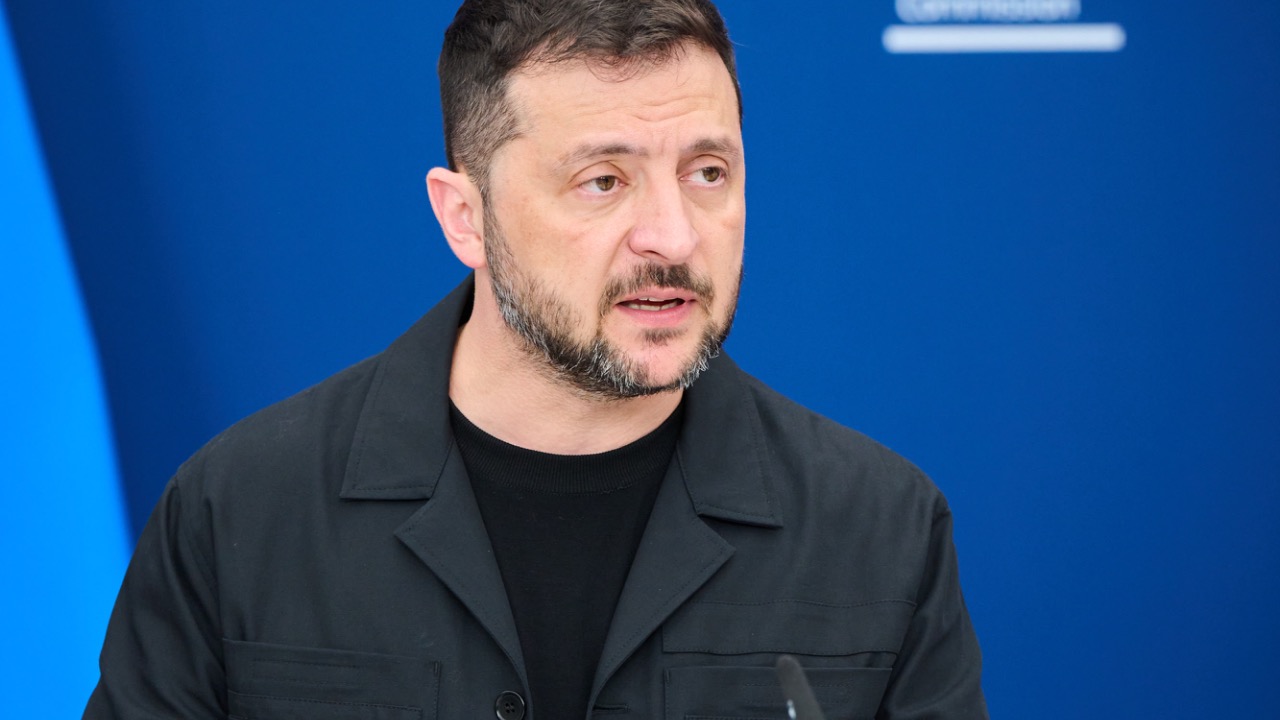
Ukrainian drone commander says engagements are happening at extremely close range
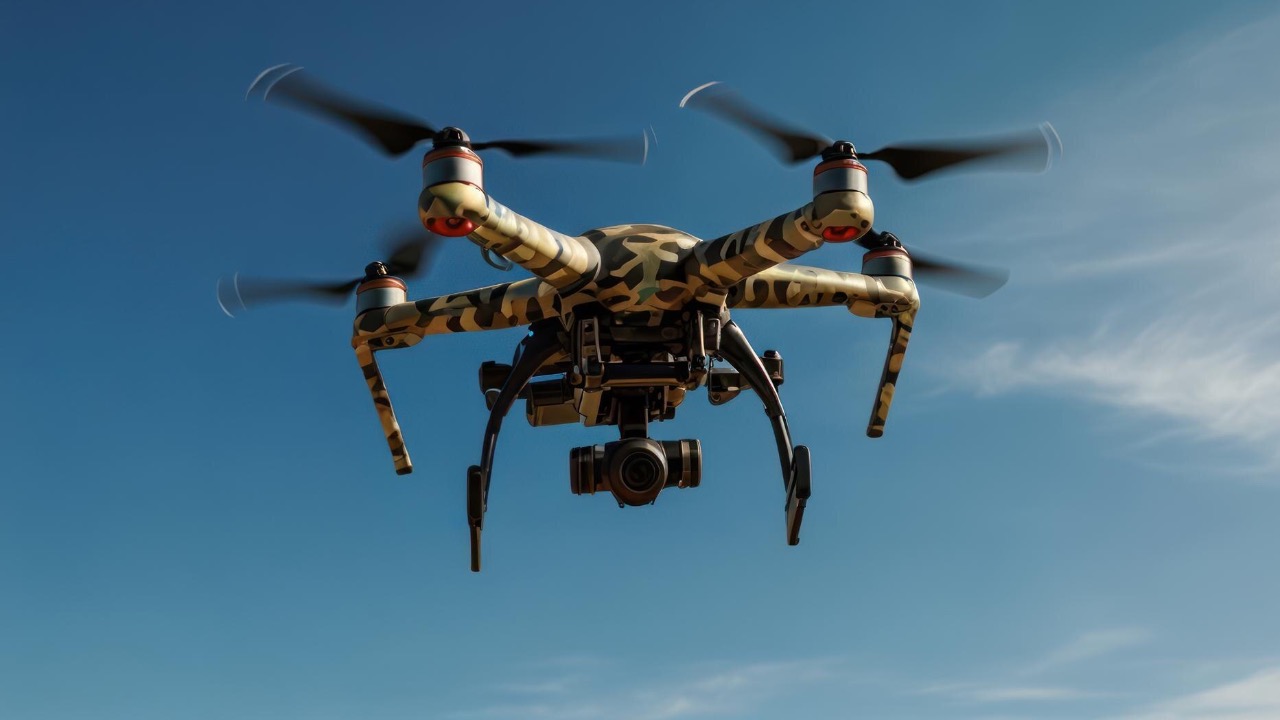
Ukrainian drone units are fighting so close to Russian assault groups that commanders describe enemy troops as practically beneath their positions. The country’s rapidly expanding unmanned fleet is no longer just hunting vehicles in the open, it is stalking small infantry teams as they crawl through trenches and tree lines toward Ukrainian lines. That shift is reshaping how both sides move, hide, and survive on the front.
At the center of this change is a new generation of Ukrainian officers who treat drones as the primary tool of modern warfare rather than a supporting gadget. Their accounts of engagements at extremely short distances reveal a battlefield where quadcopters hover only a few dozen meters above targets and where a few minutes of delay can decide whether a Russian assault group reaches a trench alive. It is a granular, unforgiving fight that leaves little room for error on either side.
The commander behind the warning
The stark description of close-range combat comes from Robert “Madyar” Brovdi, a prominent Ukrainian officer who now serves as commander of the Unmanned Systems Forces. Before taking on this national role, he built a reputation leading a volunteer drone unit that specialized in hunting Russian armor and infantry with small first-person-view aircraft. His elevation to command of the broader unmanned branch signals how central drones have become to Ukraine’s war effort and how much weight his battlefield assessments now carry across the chain of command.
In his latest public comments, Robert “Madyar” Brovdi stressed that his pilots are engaging Russian troops at distances so short that he described them as being “under our feet,” a vivid phrase that captures how compressed the front has become for many Ukrainian defenders. He framed this as a direct response to Russia’s reliance on infantry-heavy assaults, arguing that only aggressive drone use can break up those formations before they reach trenches. Images of Robert “Madyar” Brovdi attending official events as commander of the Unmanned Systems Forces underline how his personal battlefield experience is now being translated into national doctrine.
What “under our feet” looks like in practice
When Madyar says Russian troops are “under our feet,” he is describing engagements where drones are launched from positions only a short walk from the enemy. Instead of operating from deep in the rear, Ukrainian pilots are often set up in ruined houses, dugouts, or forest belts that sit just behind the first line of trenches. From there, they fly quadcopters and first-person-view craft over a few hundred meters of no man’s land, sometimes less, to find Russian infantry that has already slipped past artillery kill zones and is now trying to mass for a final push.
Accounts from his unit describe drone operators tracking Russian soldiers as they move through shell craters and narrow communication trenches, then dropping munitions or ramming explosives into small groups before they can regroup. Madyar has emphasized that these strikes are happening at distances comparable to a short walk for an average person, a sign of how compressed the battlespace has become. His description of pilots hitting Russian troops at such close range that they are effectively beneath Ukrainian positions has been echoed in reports that detail how drone teams now work almost shoulder to shoulder with frontline infantry, rather than from distant command posts, a pattern highlighted in coverage of short-range engagements.
Russia’s infantry-heavy tactics force closer fights
The reason these encounters are happening at such intimate distances lies in how Russia is choosing to fight. Russian commanders have leaned heavily on ground infantry assaults to grind forward, sending small groups of soldiers to probe Ukrainian lines, identify weak spots, and then feed in more troops to exploit any breach. This approach is costly in manpower but allows Russian units to keep pressing even when armored vehicles are vulnerable to anti-tank weapons and long-range drones.
Analysts who track the war note that Russia relies on these infantry pushes to gradually take territory in Ukraine, often accepting high casualties in exchange for incremental gains. Madyar’s comments suggest that Ukrainian drone teams are now tailored to counter exactly this pattern, hitting Russian troops as they gather in staging areas or as they begin to launch assaults. Reporting on how Russia relies on underscores why Ukrainian commanders are so focused on catching assault groups before they can fully form up.
Assault groups slipping through on the Pokrovsk front
Nowhere is this cat-and-mouse game more visible than on the Pokrovsk front, where Russian units have been trying to edge forward against entrenched Ukrainian defenses. Reports from that sector describe Russian troops sneaking small assault groups through Ukrainian lines, not always to launch immediate attacks but to accumulate inside Ukrainian-held territory. Once enough soldiers have infiltrated, they can attempt to seize trenches from the rear or disrupt supply routes, creating sudden local crises for defenders.
Ukrainian observers say these infiltrations often involve Russian soldiers moving in small numbers, using darkness, bad weather, or terrain folds to avoid detection until they are very close. That is precisely the environment in which Ukrainian drones are now being pushed to operate, flying low and slow over contested ground to spot these teams before they can consolidate. A detailed account of how Russian troops are through Ukrainian lines near Pokrovsk illustrates why Madyar’s pilots are being asked to fly closer and accept more risk to keep those infiltrators from building up behind the front.
From tactical depth to trench edge
Madyar has argued that the goal of Ukraine’s drone campaign is to push Russian forces back into what he calls “tactical depth,” the zone where artillery and longer-range systems can hit them before they threaten frontline trenches. In his view, if drones can consistently strike Russian infantry while they are still assembling or moving through rear staging areas, then fewer enemy troops will ever reach the close-quarters fight. That would reduce the pressure on Ukrainian infantry and slow the attritional grind that has defined much of the war.
Yet his own description of current operations makes clear that Ukraine is not always able to keep the fight at that safer distance. When Russian units manage to close in, drone pilots are forced to operate almost on the trench edge, guiding munitions onto targets that may be only a few dozen meters from Ukrainian positions. In one statement, he noted that this was not the ideal scenario but a necessary adaptation to Russian tactics, adding that without such close-range drone work, more Russian soldiers would “remain in tactical depth” and eventually reach the front in greater numbers. That tension between the desired standoff fight and the reality of near-contact engagements is reflected in his comments reported through explanation of tactical.
Infantry strikes and the race against time
For Ukrainian infantry, the presence of drones overhead can mean the difference between being overrun and holding a position. Madyar has described how his units conduct infantry-focused strikes that are timed to hit Russian troops as they are still forming up for an assault, turning what might have been a coordinated push into a disorganized scramble. He portrays this as a race against time, where every minute that passes without a drone strike increases the chance that Russian soldiers will reach the trench line in numbers too large to stop with small arms alone.
In one of his statements, Madyar stressed that these infantry strikes must be delivered “in time,” underscoring how critical rapid detection and decision-making have become in this phase of the war. Drone pilots are not just flying cameras, they are part of a tightly wound kill chain that links spotters, artillery, and frontline units in a matter of moments. His emphasis on hitting Russian infantry at the right moment, before they can fully deploy, is captured in reports that quote him on how infantry strikes must, a reminder that in this environment, delays are measured not just in seconds but in lives.
How Ukraine’s drone forces evolved
Ukraine’s ability to fight this kind of close-range drone war did not appear overnight. Since the early stages of the conflict, volunteer groups and military innovators have experimented with commercial quadcopters, racing drones, and improvised munitions to create a flexible unmanned arsenal. Figures like Madyar emerged from that ecosystem, blending civilian tech know-how with frontline experience to build units that could adapt quickly to Russian tactics and electronic warfare.
Over time, those ad hoc efforts have been pulled into a more formal structure, culminating in the creation of the Unmanned Systems Forces and the appointment of commanders like Robert “Madyar” Brovdi to lead them. Official statements now describe a nationwide network of drone schools, repair hubs, and production lines that feed a constant stream of aircraft to the front. Coverage of Ukraine’s drone forces notes that their commander has publicly highlighted how his pilots are hitting Russians at such close range that they are effectively “under our feet,” a phrase that has been widely cited in reports on Ukraine’s drone forces and their evolving role.
The human factor: pilots, stress, and precision
Behind every close-range strike is a pilot who must make rapid, high-stakes decisions while staring at a grainy video feed. Operating at such short distances increases the psychological pressure on drone crews, who know that a missed target or a delayed attack can mean Russian troops reaching their own comrades in the trenches. The proximity also raises the risk of friendly fire, forcing pilots to coordinate closely with infantry and to recognize landmarks, trench layouts, and even individual buildings in real time.
Reports on Ukraine’s drone war often feature images of a Ukrainian drone pilot controlling a flying drone during training or combat, a reminder that this is not a remote, antiseptic form of warfare but one that demands intense concentration and resilience. Madyar has praised his pilots for their ability to operate under these conditions, highlighting how they have adapted to the demands of hitting Russian troops at extremely close range. One account credited to journalist Matthew Loh describes how he relayed Madyar’s remark that Russian troops were “under our feet,” emphasizing the strain and precision required for such operations and underscoring the role of Matthew Loh in bringing those frontline voices to a wider audience.
What this close-range drone war means for the wider conflict
The fact that Ukrainian drone commanders are talking about Russians being “under our feet” is more than a vivid turn of phrase, it is a sign of how the war’s geometry is changing. As both sides saturate the front with sensors and long-range weapons, the space in which soldiers can move without being seen has shrunk dramatically. That has pushed much of the decisive action into a narrow band where drones, infantry, and artillery all operate within a few hundred meters of each other, turning every tree line and ruined village into a contested zone.
For Ukraine, mastering this environment is essential to holding the line against a larger adversary that is willing to feed infantry into grinding assaults. For Russia, finding ways to slip assault groups through that drone curtain, as seen near Pokrovsk, is key to sustaining offensive momentum. Madyar’s warnings about the proximity of Russian troops, echoed in multiple reports on how Ukrainian drone pilots at close range, suggest that this struggle at extremely short distances will remain one of the defining features of the conflict for as long as both sides can field drones and infantry in large numbers.

Asher was raised in the woods and on the water, and it shows. He’s logged more hours behind a rifle and under a heavy pack than most men twice his age.