US Army Chief of Staff Resigns Amid Warnings That Trump Appointee Will Lead Military to Ruin
The sudden ouster of the US Army chief of staff has exposed an extraordinary clash at the top of the American military, with senior officers warning that a Trump-aligned leadership team could hollow out the force at a moment of rising global risk. What began as a personnel decision has quickly become a test of how far political appointees can push the Pentagon’s norms before the institution itself begins to fracture.
Behind the headlines lies a standoff over warfighting priorities, loyalty to civilian authority, and the basic question of whether the Army will be shaped by long-term planning or short-term ideological demands.
What happened
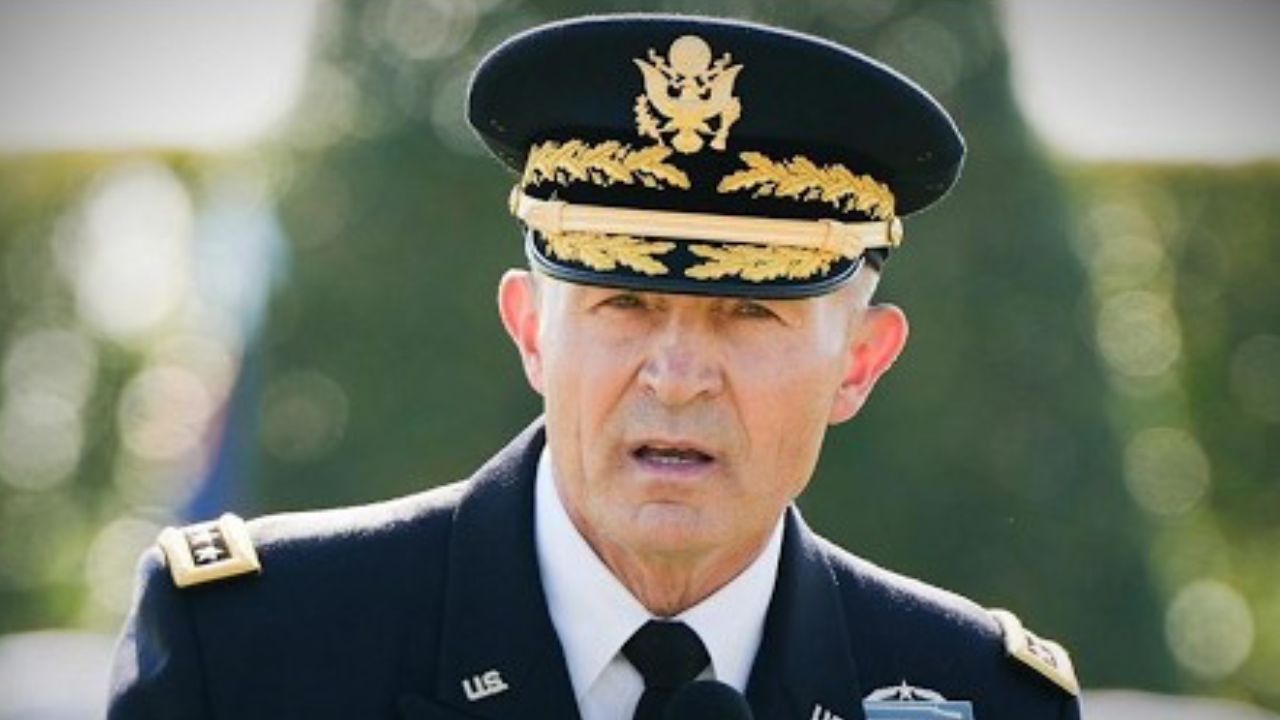
US Defense Secretary Pete Hegseth has removed Army Chief of Staff General Randy George after a direct confrontation over policy and personnel, according to multiple accounts from current and former officials. Hegseth, a prominent Trump ally, pressed George to step aside and then moved to replace him when the four-star officer resisted, an escalation that marked a clear break with the Army’s traditional preference for quiet transitions at the top.
Reporting indicates that Hegseth’s move came as part of a broader pattern of dismissals and forced resignations targeting senior leaders seen as obstacles to his agenda. One account describes a “string of dismissals” that swept through the Army’s upper ranks, with George’s removal framed as the most visible example of a purge of officers viewed as insufficiently aligned with the new civilian team. Those familiar with internal discussions say the defense secretary has focused on commanders who raised concerns about readiness, alliance commitments, and the legal limits on domestic deployments.
General George, who had risen through the infantry and commanded at multiple levels, was regarded inside the Army as a conventional choice for chief of staff, someone steeped in operational planning and personnel management. A profile of the general emphasizes his long service and his reputation as a low-key professional rather than a political actor, which made his abrupt removal all the more jarring for officers who had expected continuity at the top of the service. That same profile, which asks bluntly “who is Randy George,” underscores how quickly the Trump team moved from relative obscurity to open confrontation with uniformed leaders at the Pentagon.
Accounts of the final clash describe Hegseth summoning George and demanding his resignation, then informing subordinates that the chief of staff had been asked to step down after failing to support the administration’s priorities. One detailed report on how Hegseth “sacked” the general describes a tense atmosphere in which senior aides debated whether to frame the move as a firing or a voluntary departure, a distinction that matters for both internal morale and public perception.
The Pentagon has not released a detailed public explanation, but officials have privately pointed to disagreements over deployment plans and public messaging, particularly around how the Army would handle potential unrest at home and expanding commitments abroad. The result is that the Army now faces a leadership vacuum at a time when its global obligations are growing, not shrinking.
Why it matters
The removal of a service chief is always significant, but the context makes this episode far more consequential. The United States is managing multiple flashpoints at once, including a widening confrontation between Iran and Israel that has already produced direct strikes on the heart of Tehran and raised fears of a broader conflict across the Gulf region. Live coverage of the crisis has tracked Iranian and Israeli attacks, missile interceptions, and rapid military movements that could easily pull US forces into a larger war.
Those developments are not abstract for the Army. Any escalation in the Gulf would likely require additional US ground forces, air defense units, and logistics formations, many of which fall under Army control. At the same time, the service remains heavily committed in Europe and the Indo-Pacific, where planners must prepare for both deterrence and potential high-end conflict. Replacing the chief of staff in the middle of that environment, and doing so in a way that looks overtly political, risks undermining the very planning cycles that keep those commitments credible.
Inside the Pentagon, the fear is less about one personality and more about precedent. Civilian leaders have every right to set strategy and hire or fire senior appointees, but there is a long-standing expectation that uniformed professionals can offer candid advice without being pushed out for disagreement alone. The spectacle of a defense secretary forcing out a four-star officer for perceived disloyalty sends a message down the chain of command: align quickly with political directives or risk your career.
That message is particularly potent given Hegseth’s background as a media figure and outspoken Trump supporter. Critics inside the military worry that he is bringing a cable-television style of confrontation into an institution that depends on quiet, rules-based decision making. Supporters counter that previous Pentagon leaders hid behind process to avoid carrying out the former president’s agenda and that a shake-up is overdue. The clash over George’s fate has become a proxy fight over which narrative will define this era of civil-military relations.
For rank-and-file soldiers, the immediate concern is stability. The Army is already struggling with recruiting shortfalls, aging equipment in key formations, and the strain of repeated deployments. Senior leaders had been working on long-term modernization plans that would shape the service for decades. If those plans are suddenly rewritten to fit short-term political goals, officers warn, the result could be a force that looks busy but is less prepared for a major war.
All of this is unfolding while adversaries watch closely. Iran, Russia, and China scrutinize US leadership changes for signs of distraction or division. A high-profile firing at the top of the Army, especially if it is followed by more purges, risks signaling that Washington is consumed by internal fights rather than focused on external threats. That perception alone can alter calculations in Tehran, Moscow, or Beijing about how far they can push without triggering a decisive American response.
What to watch next
The next key question is who replaces Randy George and how that person is chosen. If Hegseth selects a successor seen primarily as a political loyalist rather than a seasoned operational commander, critics will argue that the Trump team is subordinating military expertise to ideological alignment. A choice that commands respect inside the officer corps could calm nerves, but only if the new chief is allowed to operate with some independence.
Attention will also focus on whether George’s removal is a one-off or the start of a broader campaign. Reports that the firing occurred amid a “string of dismissals” suggest that other senior officers may already be on a list of potential targets. If more three and four-star commanders are pushed out in quick succession, the result could be a de facto purge that reshapes the upper ranks around a narrow political profile.
Congress is another critical arena. Lawmakers have tools to slow or block senior promotions, demand testimony, and condition funding on transparency about personnel decisions. Some members are already signaling interest in hearings that would force Hegseth and other officials to explain why George was removed and what standards will govern future firings. The response on Capitol Hill will help determine whether this episode becomes a short-lived controversy or a defining fight over civilian control.
Outside government, veterans’ groups and military families are likely to play a growing role in the debate. Many of them backed Trump’s promises to rebuild the armed forces, but they are also sensitive to any sign that political games are putting troops at risk. If they conclude that the administration is undermining readiness or driving out respected leaders, their criticism could carry weight in swing states where military communities are concentrated.

Leo’s been tracking game and tuning gear since he could stand upright. He’s sharp, driven, and knows how to keep things running when conditions turn.