US-Iran ceasefire tested by fresh naval clashes in Strait of Hormuz
A fragile ceasefire between the United States and Iran is facing new pressure after fresh naval clashes were reported in the Strait of Hormuz. The incidents involved attacks on commercial shipping, military responses, and rising fears that the truce could begin falling apart if tensions continue escalating.
Despite the clashes, U.S. officials have insisted the ceasefire is still technically in place. Military leaders described the recent exchanges as serious but still below the level that would restart full-scale conflict between the two countries.
Clashes break out near key shipping routes

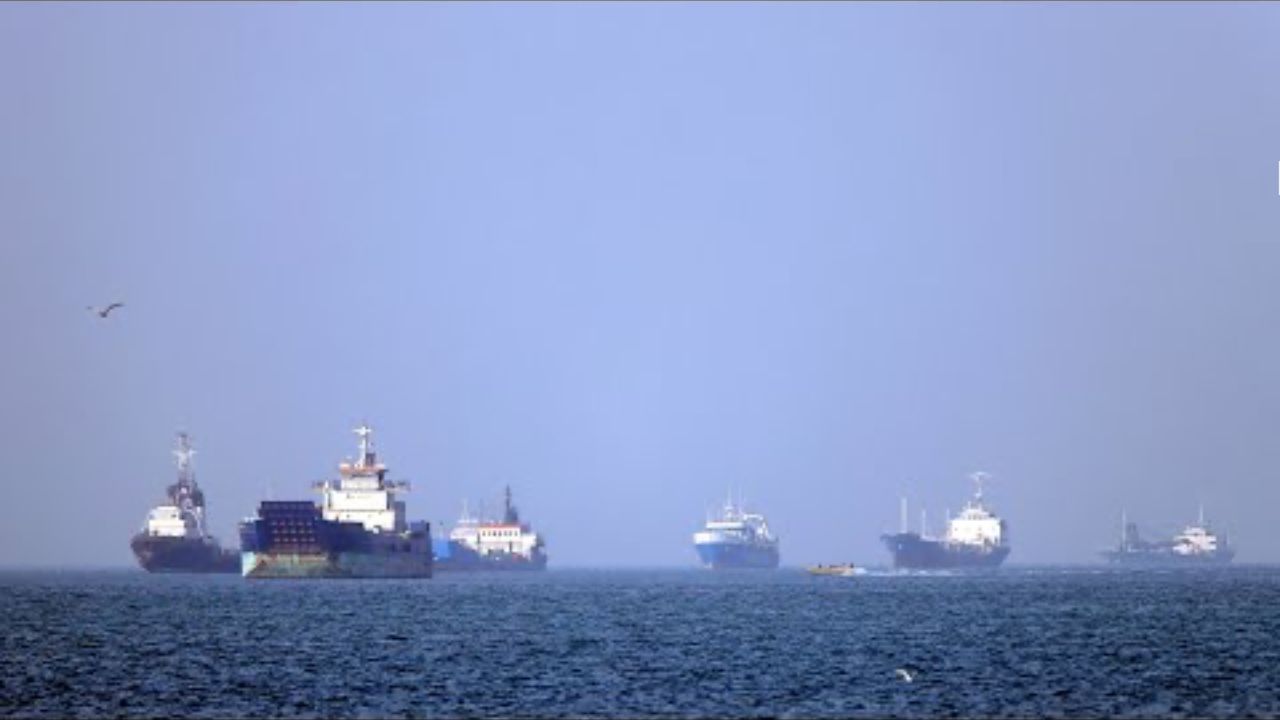
The latest incidents reportedly began after U.S. forces attempted to help guide commercial vessels through the Strait of Hormuz, one of the world’s most important oil transit routes. American officials said Iranian boats, drones, and missiles threatened ships moving through the area, leading to direct military responses.
According to U.S. military statements, several Iranian boats were sunk during the confrontation. Iran, meanwhile, accused the United States of violating regional security and increasing tensions through its naval operations near the strait.
Why the Strait of Hormuz matters so much
The Strait of Hormuz is one of the most strategically important waterways in the world because a major portion of global oil exports passes through it every day. Any disruption there can quickly affect fuel prices, shipping costs, and international markets.
That’s why even limited clashes in the region get global attention. Shipping companies, energy markets, and foreign governments closely watch the area because a prolonged conflict could slow trade and create broader economic instability far beyond the Middle East.
Both sides accuse the other of escalation
Iranian officials argue that increased U.S. naval activity near the strait is provocative and undermines the ceasefire agreement. Some Iranian leaders have warned that foreign military presence in the area could trigger stronger responses if operations continue.
The United States has defended its actions by saying it is trying to protect commercial shipping and maintain freedom of navigation. American officials also warned that continued attacks on ships or allied infrastructure would lead to further military action if necessary.
Regional fears continue growing
The recent clashes have also increased concern among nearby countries in the Gulf region. Reports of attacks affecting ships and energy infrastructure have raised fears that the conflict could spread beyond direct U.S.-Iran confrontations.
Some governments are now pushing harder for diplomatic talks before the situation escalates further. While communication between the two sides has not completely collapsed, recent events show how unstable the ceasefire remains and how quickly conditions can change in the region.
What happens next
For now, both governments appear to be trying to avoid a return to full-scale war while still showing strength publicly. That balancing act has created a tense situation where military actions continue even as officials insist the ceasefire is still active.
The biggest concern moving forward is the possibility of a miscalculation. With military forces operating close to each other in a narrow and highly sensitive waterway, even a small incident could rapidly grow into a much larger confrontation.

Leo’s been tracking game and tuning gear since he could stand upright. He’s sharp, driven, and knows how to keep things running when conditions turn.