What ammo shortages reveal about preparedness gaps
Ammunition shortages are not a weird blip in the gun world anymore, they are a recurring stress test of how ready Americans really are. When shelves go bare, it exposes weak spots in everything from household planning to national logistics and military stockpiles. If you pay attention to what disappears first, who gets squeezed hardest, and how long it takes to recover, you start to see a much bigger story about preparedness in this country.
I have watched shooters, hunters, preppers, and even governments repeat the same mistakes every cycle, treating ammo like a casual purchase instead of a critical resource. The recent waves of scarcity show how fragile our supply chains are, how quickly panic buying can overwhelm production, and how few people have a realistic plan for keeping their skills sharp when cartridges are scarce.
Ammo shortages as a recurring stress test
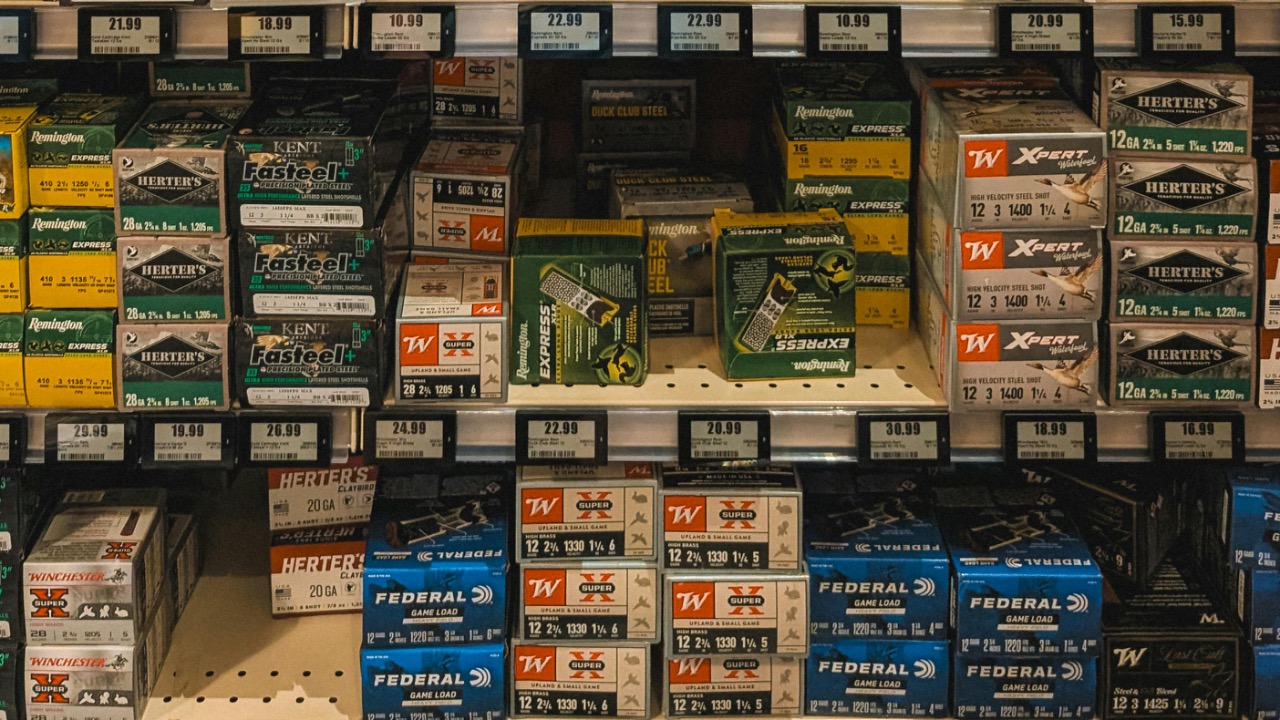
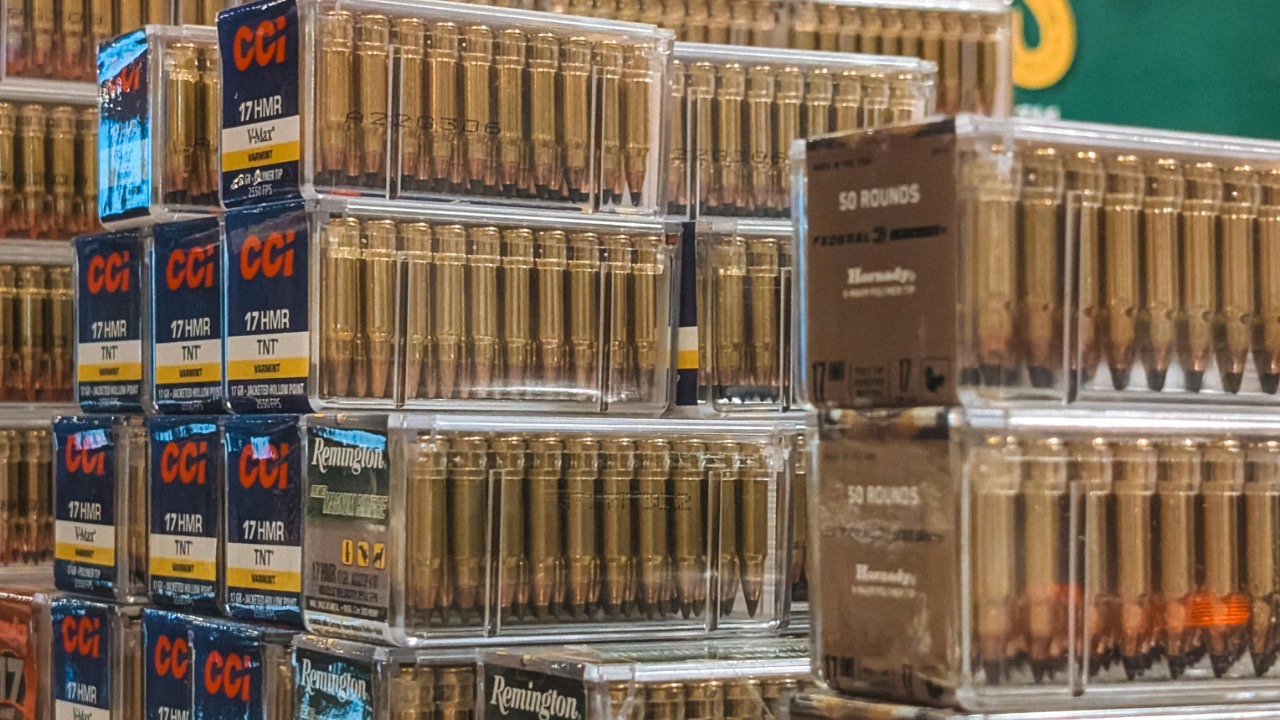
Every time the market tightens, the pattern looks familiar: a spike in fear, a rush to buy, and then long stretches of empty shelves where the most common calibers used to sit. Industry reporting has tied those surges directly to political tension and Social unrest, with 9mm Luger and .40 S&W among the first to vanish. When the most basic training and defensive rounds disappear, it shows how thin the margin really is between normal life and scarcity.
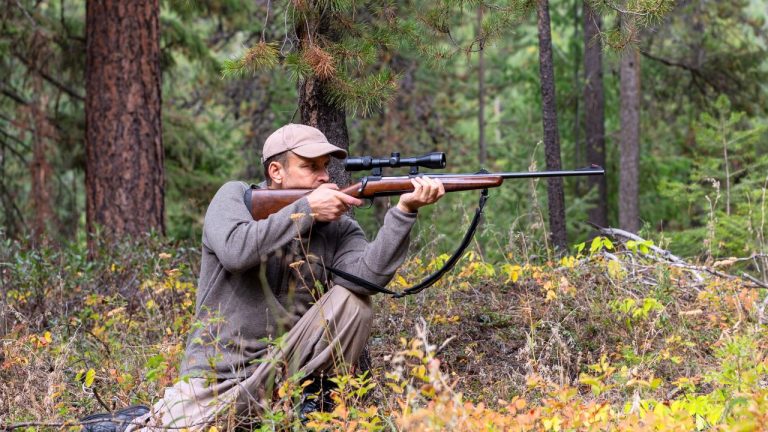
On the ground, that scarcity hits regular shooters first. Hunters in the Midwest described a tremendous shortage that forced them to cut back on practice and scramble for any box they could find before fall seasons. When people who rely on a rifle to fill the freezer cannot find a couple boxes of soft points, it is not just an inconvenience, it is a sign that the system is built for steady demand, not sudden shocks.
What the last shortage taught about demand and behavior
The last big crunch showed how quickly normal buying habits can flip into hoarding once people sense trouble. One analysis walked through a typical pattern where the average shooter might normally grab two boxes of ammo on a restock trip, then suddenly starts doubling or tripling that when rumors of new restrictions or unrest spread. As Let that behavior play out across millions of gun owners and the shelves do not stand a chance.
Industry voices like Jason Hornady of Hornady Manufacturing have compared that rush to the early pandemic run on toilet paper, and the analogy fits. Once people see bare shelves, they buy whatever they can, even calibers they do not own yet, which only deepens the shortage. That kind of panic buying is not a sign of confidence, it is a sign that most shooters walked into the crisis with no real reserve and no plan beyond hoping the store would always have more.
Supply chain fragility from mines to retail shelves
On the production side, the ammo crunch exposed how dependent the industry is on a few key materials and factories. The global Supply of lead and other inputs tightened, which slowed manufacturing even as demand exploded. That bottleneck meant companies could not simply flip a switch and double output, no matter how many customers were lined up at the counter.
Retailers and shooters felt that fragility in very practical ways. One detailed breakdown of the shortage pointed to higher prices, backorders, and rationing as manufacturers struggled to keep up with demand. Another analysis highlighted Critical Components Unavailable like primers and brass, which created a situation where even reloaders could not fully insulate themselves. When a few upstream chokepoints can sideline both factory ammo and handloads, it shows how little redundancy exists in the system.
How much is “enough” ammo for a prepared household
Most shooters talk about ammo in vague terms, a couple cases here, a few boxes there, but serious preparedness requires real math. One training outfit walked through a scenario where a shooter wants to maintain skills for 18 months, shooting 800 rounds a month, which comes out to 14,400 rounds in reserve. They suggest you Round that up to 15,000, then Then calculate the cost. That kind of planning forces you to think about ammo the way you think about fuel or food storage, not as an impulse buy.
Preppers often frame the question in terms of worst case scenarios, asking How much ammo per gun is needed if Why Should You, especially When they are thinking about an SHTF or full blown Shit Hits The breakdown. The smart ones separate training ammo from emergency ammo, and they budget for both. That is a far cry from the folks who wake up in the middle of a shortage and realize they have a couple half empty boxes rolling around in the truck and nothing else.
Caliber choices and overcomplicated arsenals
One of the more revealing gaps I see is how many shooters spread themselves thin across too many calibers. In one preparedness discussion, a veteran voice pointed out that They revel in how many sizes and cartridges they own, which is fun on the range but a liability when shelves go bare. Every extra caliber is another supply line you have to feed, store, and track.
Some preppers are starting to simplify. One thread argued that You do not need an enormous arsenal, recommending a 5.56 carbine, a 12 gauge, and a 9mm handgun as a practical core, with 5.56 and common shotgun and pistol loads as the backbone. Others on Feb threads have warned that some niche calibers like .357 SIG can be nearly non existent in a crunch. The more you standardize around widely produced rounds, the easier it is to build and maintain a meaningful reserve.
Rationing, training, and the skills gap
When ammo gets scarce, the first thing most people cut is practice, and that has real consequences. One overview of the shortage described how Ammo scarcity and high prices pushed hunters and gun owners into Rationing of Ammunition, saving cartridges for emergencies or necessities. Otherwise, they risked burning through what little they had.
That rationing shows up in skill levels. A report from National Shooting Sports noted that more than 50 m people participate in shooting sports, with a big chunk of recent gun sales going to first time buyers. When those new owners cannot find enough ammo to train, they miss out on the practice they need to handle their firearms safely and effectively. That is a preparedness gap you cannot fix with gear alone.
Stockpiling, hoarding, and financial risk
There is a fine line between smart stockpiling and reckless hoarding, and the last few years showed how easy it is to cross it. Some companies now pitch subscription style services that help gun owners build a personal reserve, framing ammo as a piece of tangible security. One such program describes how it empowers people to create their own backup supply so they are ready for any challenge, treating cartridges almost like a savings account of brass and lead. That kind of steady, disciplined approach can smooth out the peaks and valleys of the market.
On the other end of the spectrum, some preppers have piled up mountains of ammo at peak prices, only to watch values drop when supply catches up. A recent video warned about people losing thousands as hoards become dead weight in the safe. Another industry voice with decades in the business argued that the current cycle feels different, with warehouses swinging from empty to overstocked as panic buying collides with production surges, a trend he unpacked in a Jan breakdown of three major failures in the ammo industry. If your preparedness plan depends on timing the market, you are gambling, not planning.
Military stockpiles and national readiness
The civilian ammo crunch has an uncomfortable parallel in the defense world. Recent reporting on U.S. aid abroad noted that What the Pentagon is running low on now includes Drones, missiles, Weapons, and ammunition after large shipments to Ukraine and Israel. That strain on stockpiles looks a lot like the bare shelves at your local shop, only with far higher stakes.
Other countries are feeling similar pressure. The Indian Army has been flagged for an acute deficiency of ammunition and spares, with retired Lt Gen DB Shekatkar Ashes raising alarms while headlines about Fallen Ben Stokes share space on the same page. When both major powers and regional forces are struggling to keep enough rounds and parts on hand, it underlines how global the problem has become.
Logistics, data, and fixing the preparedness gap
Behind every shortage is a logistics story, and the ammo crunch is no exception. Army planners have pointed out that Historic supply chain woes have pushed logistics professionals into the spotlight, forcing them to rethink how data analytics and AI can predict demand and flag critical shortages in materials before they hit. If that kind of forecasting can keep artillery shells flowing to the front, there is no reason similar tools cannot help civilian manufacturers and distributors smooth out production and inventory.
At the same time, some analysts argue that structural problems inside defense bureaucracies are undermining readiness. One critique noted that Not all inefficiencies are created equal, and that Tactical delays in fielding weapons, combined with bloated and fragmented leadership structures, erode long term effectiveness. If the institutions in charge of stockpiles cannot move quickly or clearly, no amount of production capacity will fully close the gap.
Practical takeaways for families and everyday shooters
For regular people, ammo shortages should be a wake up call, not a surprise. Preparedness experts who focus on civil unrest advise families to Stock Emergency Supplies, recommending that households Have at least two to four weeks of essentials on hand. Ammo belongs in that same category of quiet insurance, stored safely and rotated like any other critical supply.
On the reloading and prepper side, people are learning the hard way that components can be as scarce as finished cartridges. One discussion pointed out that Sometimes primers are hard to find, Casings are almost always scarce, and Yet bullets of common calibers might still be available. Add in the reality that the SEATTLE experience of The COVID crunch in the United Sta showed how fast demand can outstrip supply, and the lesson is clear. Build a realistic reserve, standardize your calibers, protect your training time, and treat ammo as a core part of your preparedness plan, not an afterthought.

Asher was raised in the woods and on the water, and it shows. He’s logged more hours behind a rifle and under a heavy pack than most men twice his age.