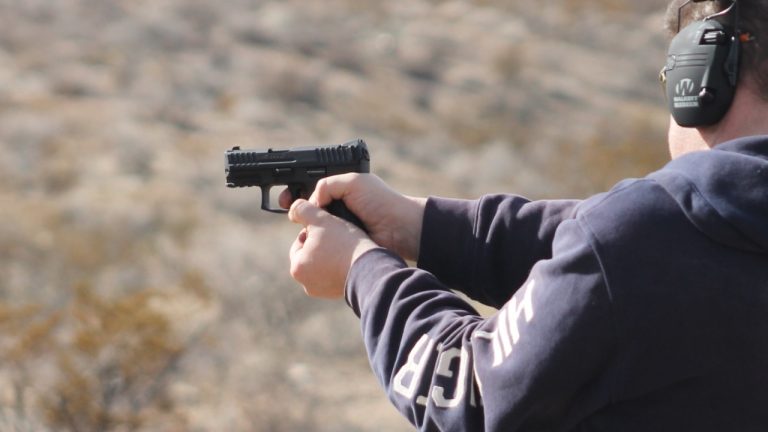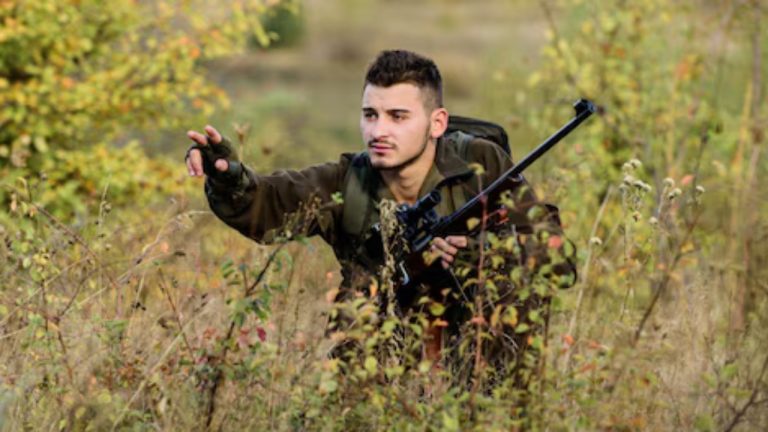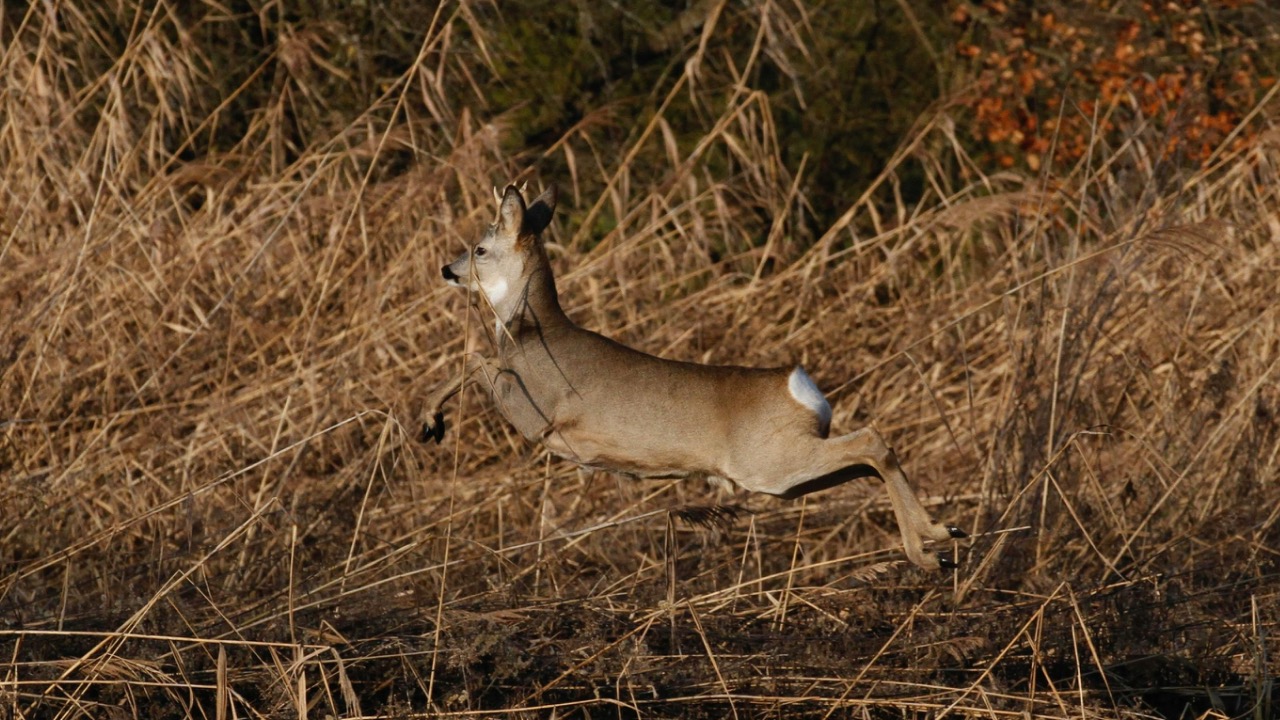
What happens when a deer crosses property lines after the shot
Every deer hunter eventually confronts the same uneasy scenario: the shot looks good, the deer bolts, and the animal collapses on the wrong side of a fence. What happens next is not just a matter of etiquette or hunting tradition. It is a question of property rights, criminal law, and often the future of access in that neighborhood. Knowing what the law allows, what neighbors can refuse, and how to prepare before the season can mean the difference between a clean recovery and a citation or confrontation.
Across the United States, states treat this situation in different ways, but one principle is consistent. A hunter does not automatically gain the right to walk onto someone else’s land simply because a wounded deer crossed a boundary. The rules are tighter than many expect, and the safest approach blends legal awareness with careful communication long before the shot ever breaks.
Why a shot deer on the neighbor’s land is a legal problem

Property lines do not disappear when a deer crosses them. In most states, a person who enters another’s land without consent risks a trespassing charge, even if the only goal is to retrieve game. A legal analysis from one firm notes that a hunter does not have any automatic “self-help” right to cross onto an adjoining property to recover an animal without permission, and that entering anyway can expose that hunter to criminal or civil penalties for trespass, along with possible accusations of harassment or damage to the landowner’s interests. The same discussion explains that courts generally treat wildlife as belonging to the state until it is lawfully taken, which means a hunter cannot claim ownership of a deer as a defense for walking across a posted line without consent, because the property right in the land remains with the neighbor.
Several hunting education efforts stress that the emotional pull of a wounded animal does not override the law. One widely shared video aimed at new hunters states bluntly that a person cannot legally track a wounded deer onto someone else’s land without permission, repeating that “You can’t. Not legally. Not even if” the shot was clearly taken on lawful ground. That message reflects how many game wardens interpret trespass rules during deer season. The law focuses on where the hunter stands and whether the landowner agreed, not on where the animal eventually falls.
Different states, different rules on retrieval
Although the core idea of trespass is similar across the country, the details of game retrieval vary. In Texas, for example, long standing practice and legal commentary emphasize that a hunter must have the landowner’s permission to enter private property for any hunting related activity, including tracking or retrieving a wounded deer. Hunters who assume that a blood trail gives them a free pass risk both trespass charges and separate game violations if their pursuit crosses into land where they have no rights.
States in the upper Midwest and Great Plains illustrate how specific retrieval rules can get. Guidance from wildlife officials in North Dakota explains that if a deer was shot on land where the hunter had a legal right to be and then ran onto posted property, the hunter may retrieve it. At the same time, the agency urges hunters to contact the landowner as a courtesy before entering and clarifies that the person may not carry a firearm or bow into that posted land while retrieving the animal. The same guidance stresses that this limited retrieval allowance does not convert posted land into open hunting ground.
Neighboring states have their own variations. In South Dakota, hunters must pay close attention to posted signs and written permissions, and many local landowners expect a knock on the door before any retrieval. In Minnesota, regulations on trespass and posted land also shape how and when a hunter can cross a boundary, with conservation officers regularly fielding calls about wounded deer that cross into fields or woodlots where the shooter has no permission.
States in the Northeast echo the same themes. In Pennsylvania, hunters must respect posted property and are often reminded in safety courses that they cannot assume access simply because a deer crossed a fence. Local officers frequently advise hunters to stay put, unload their firearm, and contact the landowner or a game warden before taking a single step onto the other side.
What the law says about entering private land
Legal guides aimed at hunters lay out the basic framework. Trespass laws give landowners the right to control entry, and that right applies to hunters regardless of how a deer moves after the shot. One summary of hunter retrieval rights explains that if a neighbor refuses access, the hunter cannot lawfully enter to retrieve the animal, even if the carcass is plainly visible from the fence line. The same analysis notes that trying to drag a deer back with a rope or tool from across the boundary can still be treated as interference with another’s property, and that any damage to crops, fences, or gates may expose the hunter to additional liability.
Some states carve out narrow exceptions, but those exceptions are tightly defined. The North Dakota guidance that allows retrieval from posted land only applies if the deer was shot from a lawful location and only permits entry without a weapon. It also reinforces that a hunter should notify the landowner as a courtesy and that repeated problems can lead to stricter posting or complaints. In other jurisdictions, there is no such exception, and the only legal path is direct permission from the owner or an escort from a game warden who has contacted that owner.
Ethics, respect and the neighbor’s point of view
Ethics in the deer woods go beyond what the statute allows. Many experienced hunters argue that the right thing to do is to seek permission and accept the answer, even when a refusal means losing a hard earned deer. In a widely discussed Facebook conversation about tracking wounded deer on private property, one commenter, Paul Gerardy, agreed that hunters must respect that land owners have the right to say no, adding that doing so is not only morally correct but also smart for future relations, since ignoring a refusal can lead to permanent loss of access for entire hunting groups.
Advice columns aimed at women hunters frame the situation in similar terms. One piece explains that the answer to whether someone can follow a deer across a property line is straightforward: the hunter needs the landowner’s permission to enter and track the animal. The author notes that the exact regulations differ by state, but the core expectation of respect does not change. The same guidance urges hunters to remember that landowners may have their own reasons for saying no, from liability worries to bad past experiences, and that arguing rarely changes the outcome.
Community stories also reveal the landowner’s side. In one account shared on Reddit, a deer shot by a nearby hunter ran onto someone’s yard and died close to the house. The property owner’s spouse reportedly shouted that the carcass would stink for months and initially resisted letting the hunter retrieve it. According to that story, a game warden, referred to as “So the GW,” eventually persuaded the couple to let the hunter get the deer and be done with the conflict. The anecdote captures a reality that many hunters recognize. People who do not hunt may see a dead deer as a nuisance or a hazard, not a prize, and may react emotionally when a blood trail appears near their home.
Planning ahead with neighbors and landowners
Seasoned hunters often say that the real solution starts long before opening day. One municipal deer management committee in Connecticut advises hunters to speak with neighbors ahead of time about what will happen if a deer is shot and then falls just across a property line. The committee suggests that if a hunter has that conversation in advance and secures permission, the recovery can proceed smoothly when the situation arises. The same guidance stresses that a prior agreement should be specific about where a hunter may walk, how they will notify the neighbor, and whether vehicles or ATVs are allowed.
Hunting educators echo this proactive approach. A discussion of property line dilemmas notes that if possible, a hunter should go to the landowner’s door and calmly explain what happened, ideally before beginning any tracking on the neighbor’s land. The advice is simple. Most reasonable people will allow access to their property when they understand that a wounded animal is involved and that the hunter intends to be quick, careful, and respectful. Hunters are urged to remove their firearm or at least unload it before knocking, to dress neatly rather than in a way that might alarm the homeowner, and to offer contact information for future communication.
What to do the moment a deer crosses the line
When a shot deer runs toward a fence or posted sign, the first move should be to stop and think, not to sprint after it. Many hunter education programs recommend marking the last place the deer was seen on the hunter’s side of the boundary, then carefully unloading the firearm. The next step is to assess whether the land on the other side is public, private but unposted, or clearly marked with no trespassing signs or purple paint. Each scenario calls for a different response.
If the land is clearly private and posted, the safest course is to contact the landowner or, if that is impossible, a game warden. In North Dakota, for example, officials advise that even though a hunter may retrieve a deer from posted land if it was shot from a legal location, the person should call the landowner as a courtesy before entering and must not bring a firearm or bow. In states without such a retrieval rule, a game warden may be able to contact the landowner on the hunter’s behalf and mediate a solution.
Hunters who turn to online forums for guidance often receive a consistent message. On one Facebook video aimed at new hunters, the host explains that tracking a wounded deer onto someone else’s land without permission is not legal and repeats that “You can’t. Not legally. Not even if” the shot was ethical and the animal is clearly mortally hit. A Quora response from Terry Dinerman, identified as a Retired Ships Medical Officer and Public Health Officer Author, greets readers with “Welcome to Texas” and warns that a person must have the landowner’s permission before entering private property to track a wounded deer, reinforcing how strict the rules can be in some regions.

Leo’s been tracking game and tuning gear since he could stand upright. He’s sharp, driven, and knows how to keep things running when conditions turn.