What historical diets tell us about frontier life
Frontier meals were never just about filling bellies. What people ate on the edge of settlement shaped how they worked, how they traveled, and how they survived seasons that could turn deadly in a week. When you look closely at historical diets, you see the daily grind of frontier life more clearly than any romantic painting of a wagon train at sunset.
From Native farmers and hunters to homesteaders, cowboys, and mountain men, every group on the frontier built its menu around risk, labor, and whatever the land or supply wagon could offer. I want to walk through those diets the way you would follow a game trail, using what we know about their food to understand how hard those lives really were and what they can still teach anyone who spends time in the backcountry today.
Food as a full-time job on the edge of settlement
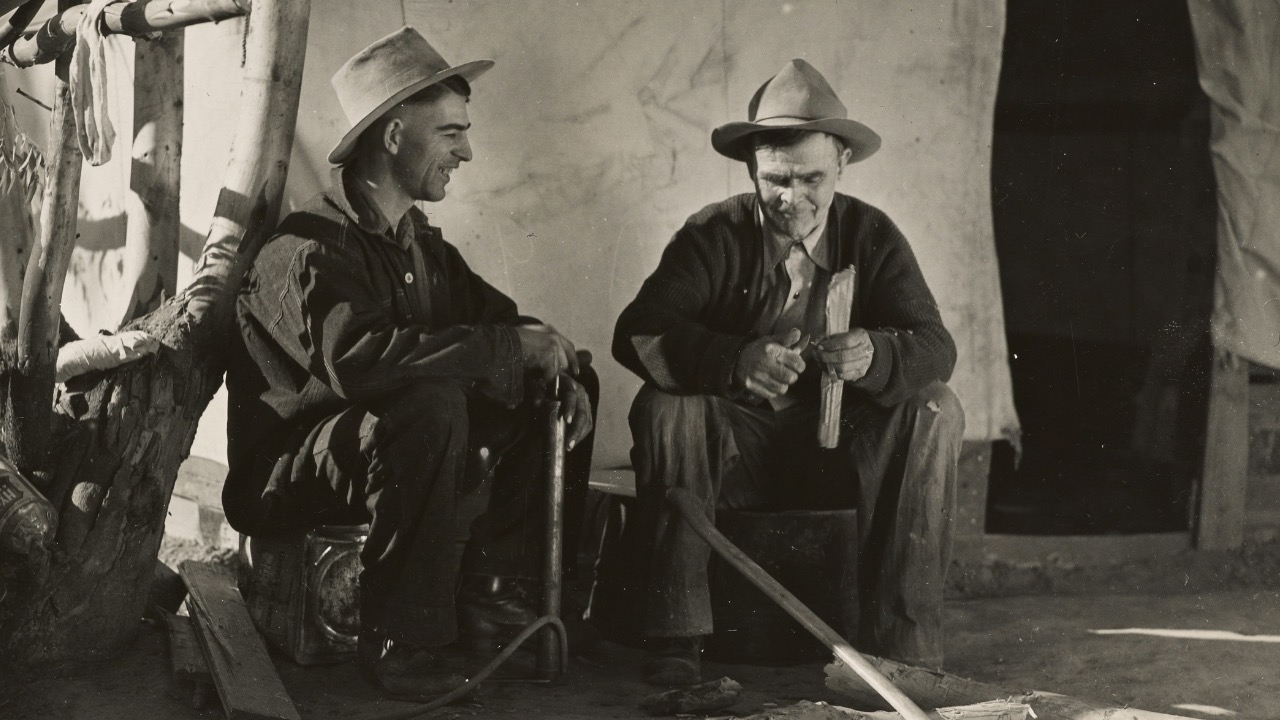
On the nineteenth century frontier, food was not a hobby or a lifestyle choice, it was the main occupation. Settlers in the United States spent a majority of their waking hours growing, hunting, processing, and cooking enough calories to get through the next stretch of bad weather or bad luck. Historical accounts of frontier households describe a world where tending gardens, grinding grain, hauling water, and managing livestock filled the day, and where a failed crop or a dead milk cow could push a family toward hunger in a hurry, long before any help arrived from town or relatives back east.
That constant pressure shows up in the way people organized their homes and communities. Smokehouses, root cellars, and outdoor ovens were not extras, they were survival infrastructure, and children were pulled into food work as soon as they could carry a bucket. One detailed look at frontier households in the United States notes that securing and preparing food took the majority of a settler’s time, a reminder that our modern obsession with Food as entertainment would have looked strange to people who measured every meal against the next hard winter or grasshopper year, as described in accounts of settler life.
What went into a pioneer plate
When you strip away the nostalgia, a typical pioneer meal was heavy, repetitive, and built for hard labor. Because homesteading, farming, and ranching were so physically demanding, carbohydrates were the fuel that kept people on their feet. Families leaned hard on Breads made from coarse flour, potatoes when they could grow them, and whatever other starchy staples they could haul or raise. Protein came from salt pork, beans, and the occasional fresh meat, but the daily work of plowing with animal power, cutting hay by hand, and hauling water made dense carbs the backbone of the diet.
Those meals were simple but not accidental. Women and men who cooked on woodstoves or open hearths learned to stretch every ingredient, turning a little fat and flour into gravy that made dry Breads go down easier, or boiling bones for hours to pull out every bit of nutrition. One detailed account of frontier meals points out that Because the work of homesteading and ranching burned so many calories, families built their menus around carbohydrates and used whatever fat, an egg, and vinegar they had to make those staples more palatable, a pattern that shows up clearly in descriptions of pioneer cooking.
Loading the wagon: trail diets and hard miles
Once families left established settlements and headed west, their diet got even more utilitarian. Travelers on routes like the Oregon Trail packed Covered Wagons with sacks of flour, cornmeal, dried beans, salt, and coffee, because those foods were dense, cheap, and slow to spoil. Oxen and Horses pulled most of the family’s worldly goods, but the bulk of the wagon space went to food, not furniture. Fresh meat and vegetables were rare bonuses, picked up by hunting or trading along the way, while day-to-day meals leaned on hard bread, bacon, and whatever could be boiled in a single pot over a smoky fire.
Guides for emigrants were blunt about priorities. One description of outfitting for the overland journey notes that a typical wagon started out heavily loaded with provisions, and that However little room was left for luxuries once families tried to pack enough staples to ward off malnutrition on months-long treks. Modern summaries of what different groups carried, including Which Pioneers traveled with canvas-covered rigs pulled by Oxen or Horses, underline how carefully they had to balance weight, shelf life, and nutrition, a tradeoff that shows up clearly in accounts of provisions for the and in later recollections of what pioneers ate.
Homesteaders, scarcity, and the brutal years
Once the wagon stopped and the claim was staked, the menu did not automatically improve. Homesteaders in Canada and the United States relied heavily on whatever local resources they could turn into calories, from garden vegetables and small grain plots to wild game and foraged berries. Their survival depended on both the ingredients they could raise and the technology they had to preserve food, whether that meant canning, drying, or packing root crops into a cool cellar. In good years, a family might put up enough jars and sacks to feel secure, but in bad years, every meal was a reminder of how thin the margin could be.
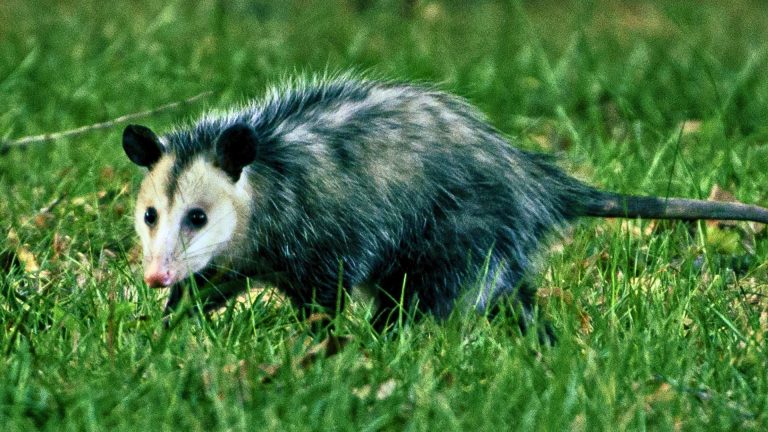
The stories that stick with me are the ones from places like Dakota Territory, where weather, insects, and isolation could strip a farm down to bare boards. One account of homesteader life in that region describes families so short on food that When mice became dinner it was not a freak event, it was part of a daily struggle to survive. Another overview of frontier farming notes that Homesteaders in Canada and the United States leaned on local game, gardens, and preserved staples, but Their ability to endure harsh winters hinged on how well they could store those ingredients, a pattern that shows up starkly in descriptions of Dakota Territory diets and broader summaries of homesteading in the.
Texas tables and the culture of scarcity
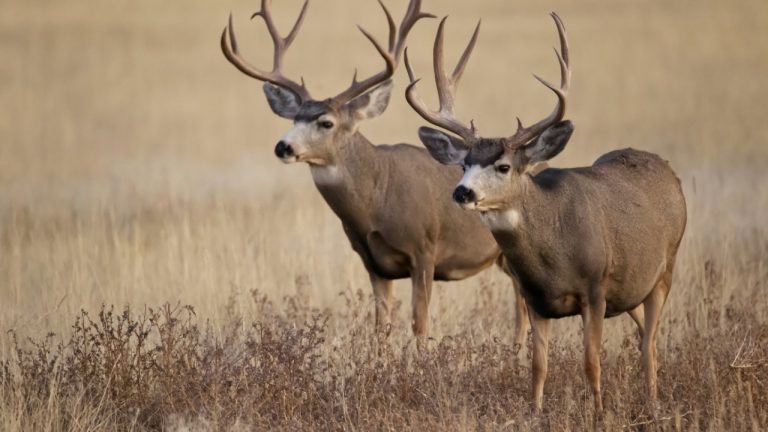
On the southern frontier, especially in Texas, food reflected both opportunity and risk. As news of frontier land spread throughout the U.S. and abroad, settlers poured into Texas by the thousands, bringing their own food traditions and then bending them to fit a hotter, drier landscape. Cornbread, beans, and cured pork still anchored many meals, but wild game, from deer to small birds, filled in the gaps when crops failed or markets were too far away. Coffee and sugar were prized when they could be had, but they were not guaranteed.
Accounts of daily life in Texas make it clear that scarcity was the norm and variety was a luxury. One description of frontier families in that region notes that Con venience foods did not exist, and that staples like cornmeal and bacon were eaten day after day, while fresh fruit or sweets were rare but greatly enjoyed when available. That pattern of monotony broken by occasional bounty shows how frontier diets shaped expectations, with people learning to celebrate a single orange or a bit of molasses as a major event, a rhythm that comes through in stories of Texas frontier folk and in later retellings of campfire meals.
Cowboy coffee, Cattle, and campfire rations
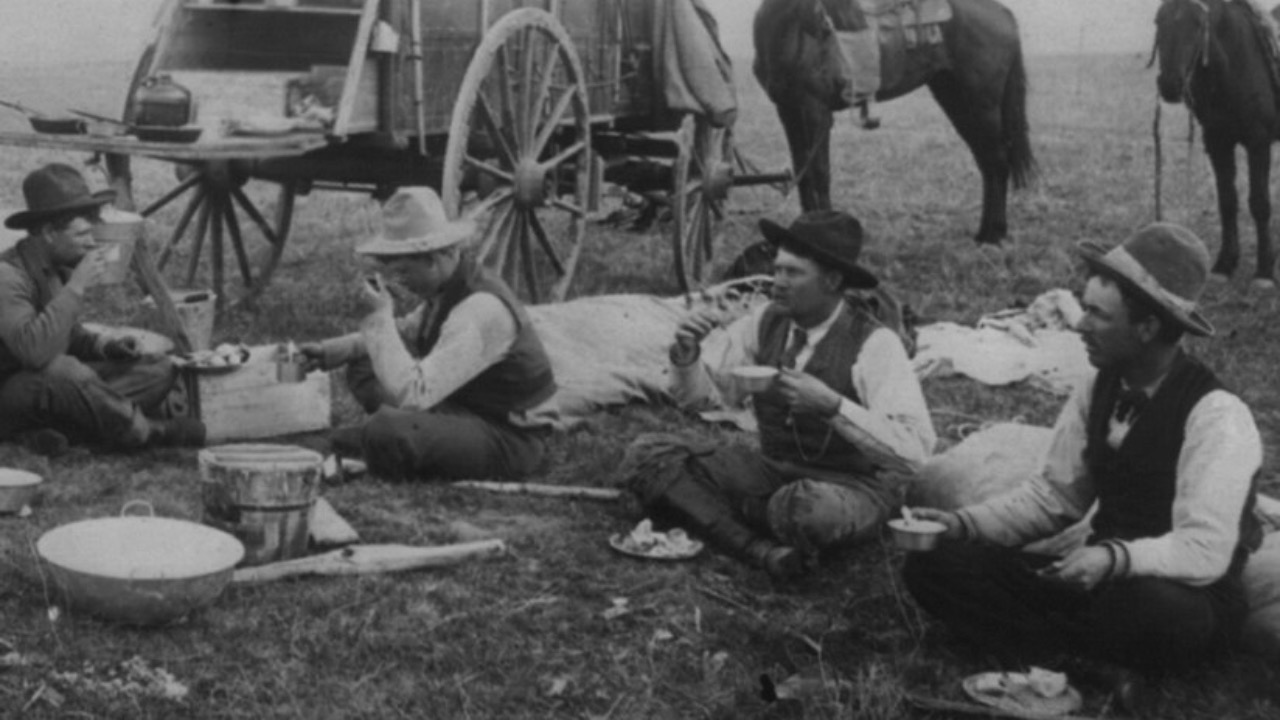
Out on the open range, Cowboy Culture developed its own stripped-down menu. Cattle ranching in the Western American West demanded long days in the saddle, far from towns or homesteads, so cowboys built their diet around what the chuck wagon could carry and what the trail boss was willing to pay for. Beans, biscuits, black coffee, and occasional beef from a worn-out steer formed the core of most meals, with the cook juggling cast iron over coals while the herd settled for the night. It was repetitive, but it delivered the calories needed to ride fence lines and push Cattle across rivers and badlands.
Those meals also shaped the image of the American West that still lingers in our heads. Descriptions of chuck wagon life emphasize how little variety there was, but also how much camaraderie grew up around the fire when a pot of beans and a pan of sourdough were all that stood between the crew and hunger. One detailed look at Cowboy Culture notes that Cattle ranching in the Western American West created the rugged lifestyle we associate with cowboys, and that their food had to be portable, durable, and heavy on calories, a pattern that shows up in historical summaries of cowboy food and in modern breakdowns of range cooking.
Mountain men, Liver-Eating Johnson, and survival extremes
Push farther into the high country and the diet gets even more primal. Mountain men and trappers lived months at a time away from settlements, relying on wild game, fish, and whatever they could trade from Native communities. John Jeremiah Garrison Johnston, better known as John “Liver-Eating” Johnson, became a legend of the American Old West in part because of the stories about what he ate. Accounts describe Johnson as a mountain man who hunted, trapped, and fought in some of the harshest country on the continent, and whose nickname came from claims that he cut out and consumed the livers of enemies, a grisly detail that speaks to the brutal reputation of that lifestyle.
Whether every story about Liver-Eating Johnson is literally true or not, the broader picture of mountain men is clear. They lived on whatever the land offered, from elk and beaver to roots and berries, and when game was scarce, they went hungry. Their gear lists were short, and their food preservation methods were basic, usually limited to drying meat or rendering fat. The extremes of that existence show up in biographies of John Liver-Eating Johnson, and they echo in modern discussions of how frontier hunters turned the wild into their pantry, like the breakdowns shared by Sam in his Wild Amer series on forgotten frontier foods.
Native food systems before and after disruption
Long before wagons rolled west, Native communities had built sophisticated food systems that matched their landscapes. Many groups farmed corn, beans, and squash, hunted big game, and gathered wild plants in seasonal rounds that spread risk across different species and places. Those diets were not static, they evolved over centuries, but they were rooted in deep knowledge of local weather, soils, and animal behavior. For the Diné, also known as the Navajo, that meant a largely plant-based system supported by herding and careful use of wild resources, with food tied tightly to culture and ceremony.
Colonization hit those systems hard. The original intention of the U.S. government was to supply rations as an interim solution until relocated Native people were raising their own food again, but in practice those rations often replaced traditional diets with flour, sugar, and lard that undermined health. For the Diné, Our food system was even further disrupted in 1864 when Our people were displaced from their original homeland by the U.S. Army, a forced march and confinement that broke many of the old patterns of planting and gathering. Modern analyses of how Native diets shifted and how the Diné food system was damaged underline how frontier expansion reshaped not only who controlled the land, but what people ate every day.
Preserving meat and planning for the long haul
Across all these frontier settings, preservation was the difference between a full table and an empty one. Meat was especially tricky. Without refrigeration, families and crews had to salt, smoke, or dry every pound they could not eat immediately. Detailed instructions from the period spell out how to handle a large kill, explaining that to preserve one hundred pounds of beef, a person would need four quarts of rock salt, pounded fine, and four ounces of saltpeter, also pounded, to pack the meat so it would keep for weeks at a time. That kind of method turned a single slaughter into months of meals, but it took planning, labor, and access to enough salt to do the job right.

Asher was raised in the woods and on the water, and it shows. He’s logged more hours behind a rifle and under a heavy pack than most men twice his age.