Where bear populations are growing fastest in the U.S.
Across the country, black bears and grizzlies are quietly reclaiming ground they lost a century ago. Some of the fastest growth is happening in places most hunters and hikers did not grow up thinking of as “bear country,” from the suburbs of New England to the hardwood ridges of the Ozarks. I want to walk through where numbers are climbing the quickest, why it is happening, and what it means if you spend time in the woods.
The story is not just about more bears. It is about how changing forests, tighter hunting rules, and booming human development are reshaping how bears live, feed, and move. In a lot of these states, the line between wild country and backyard bird feeder has all but disappeared, and the data show that the bears are adapting faster than we are.
Black bears are booming across the map
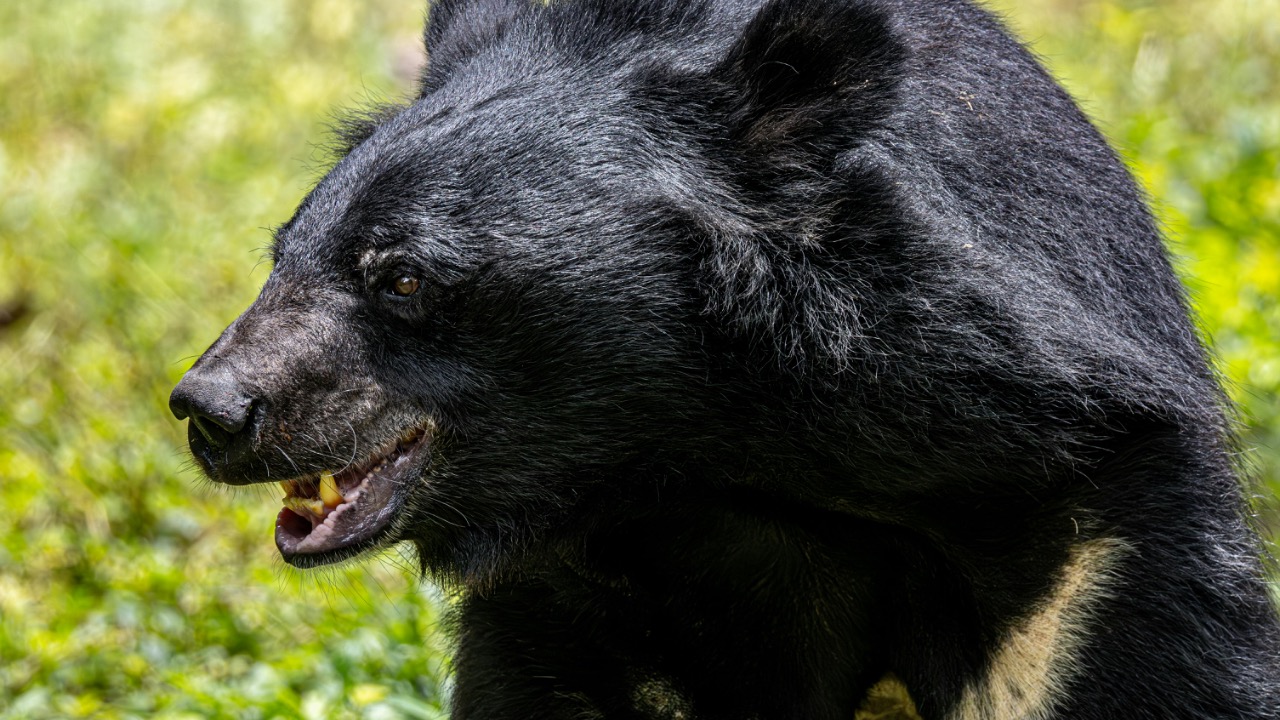
Black bears are the main driver of the current surge in bear numbers, and they are expanding in both traditional strongholds and states that once wrote them off as relics. In the East, populations in the Appalachians and coastal forests have rebounded to the point that several states now rank among the most bear dense in the country, while in the Midwest and South, remnant populations are spreading into new counties and even metro fringes. That growth is not uniform, but the trend line is clear: more bears on more landscapes, and more overlap with people who are not used to seeing them.
Recent tallies of where black bears are thriving point to strongholds in the Southeast and Mid-Atlantic, including states like Virginia and North Carolina, along with pockets in the Upper Midwest and New England. At the same time, states that once had only scattered sightings are now tracking established breeding populations and planning around them. That mix of recovery and expansion is what is driving the fastest growth, and it sets the stage for some of the most interesting bear stories in the country right now.
Michigan’s quiet surge in the North Woods
In the upper Great Lakes, Michigan has turned into a textbook case of steady, long term black bear growth. The core range in the Upper Peninsula has stayed strong, but what jumps out to me is how bears are pushing farther into the northern Lower Peninsula and brushing up against farm country and cabin country that did not see many bruins a generation ago. Hunters are reporting more sign, more trail camera hits, and more sows with cubs, which lines up with what state biologists are seeing.
Wildlife staff have been blunt that bear numbers are climbing. A recent Wildlife Wednesday update on bear activity in Michigan described a growing population and reminded residents that American black bears typically wake up in late March to April, then give birth between January and February while denned. Earlier this year, The Michigan Natural Resources Commission met in LANSING, Mich, where commissioners reviewed new data and discussed how to manage more bears without losing public support for the animals. When a commission like that spends serious time on bruins, it is a sign the numbers are no longer a side note.
North Carolina’s mountain bears and the Asheville effect
Farther south, North Carolina has become one of the hottest bear stories in the East. The coastal swamps and mountain counties have long held strong populations, but the real eye opener has been how bears are thriving right up against booming mountain towns. Western North Carolina’s mix of oak ridges, rhododendron thickets, and mild winters gives bears everything they need, and when you add in a steady buffet of unsecured trash and bird seed, you get more bears spending more time around people.
Nowhere shows that better than Asheville. A long running study there has documented a sharp rise in bear sightings and conflicts, and state biologists have said the black bear population around the city is growing fast enough that the agency is trying to slow that growth. One report noted that More than half of the calls about bears in the Asheville area were complaints, about a third were concerns about a bear’s health, and the rest were simply sightings, a breakdown that came out of work by the North Carolina Wildlife Resources Commission and local partners around Asheville. Another piece of that research found that if people are intentionally feeding bears or doing those things BearWise says are not appropriate, it is bringing them in closer proximity, a pattern highlighted in a detailed Asheville study. When urban bears are twice as big and reproducing faster than their rural cousins, you know the population is not just growing, it is changing.
Missouri and the Ozarks’ comeback bears
In the central U.S., the Ozarks are quietly turning back into bear country, and Missouri is at the center of that comeback. For decades, black bears were a rare sight, mostly tied to the Arkansas line. Now, hunters, floaters, and turkey callers are bumping into them across a much wider swath of oak and pine hills. The habitat has been there all along, but with better protection and some immigration from neighboring states, the bears are finally filling it back in.
Biologists in Missouri have described a clear population resurgence, with estimates that black bear numbers in the state have been growing at roughly 5 to 10 percent a year. One detailed report on how Missouri black bears are coming back explained that Your chance of seeing a black bear in Missouri is higher now than it has been in living memory, and that Yes, you are seeing more black bears in Missouri. Here, that growth has already led to a regulated hunting season, which is one of the clearest signs that a state considers its bear population not just recovered, but robust enough to manage through harvest.
Suburban bears in New Jersey and Connecticut
Some of the fastest growing bear populations are not in deep wilderness at all, but in the crowded Northeast. In New Jersey, black bears have spread from the rugged northwest corner into more suburban counties, turning up in backyards, school parking lots, and along major highways. The state has wrestled for years with how to balance public safety, property damage, and a healthy bear population, and the growth in numbers has kept that debate front and center.
To the north, Connecticut has gone from the occasional bear sighting to thousands of reports a year as black bears expand through the state’s mixed hardwoods and exurban neighborhoods. One analysis of where thousands of black bears are running rampant pointed out that several New England states now have enough bears to generate regular conflicts and that some, including Connecticut, are seeing rapid growth in both numbers and range across the region. When you have sows denning under decks and raiding bird feeders within sight of interstate exits, it is a different kind of bear boom than what you see in the Rockies, but it is a boom all the same.
The Southeast: from Alabama pockets to Virginia powerhouses
Down in the Southeast, black bears are filling in old haunts and pushing into new ones. In some states, they are still a novelty, but the growth rates are impressive. Alabama is a good example. There are an estimated 200 black bears in Alabama, and Most have been reintroduced to the northeastern part of the state, where hardwood ridges and river bottoms give them room to roam. That figure, cited in a rundown of where thousands of black bears are running rampant, shows how even a relatively small population can be on an upward swing when habitat and management line up in Alabama.
Other southeastern states are much further along. A detailed look at where These Are the States Where Black Bears Are Flourishing highlighted that Virginia’s black bear population has increased to over 18,000, up significantly in recent decades thanks to large forest blocks and active bear management programs in Virginia. That same review of flourishing bear states underscored how Black bears are thriving across parts of the U.S., specifically in North America’s eastern forests, where mast producing trees and thick cover give them everything they need to flourish. When you stack that against smaller but growing populations in places like Alabama and Georgia, you get a picture of a region where bears are firmly back on the landscape.
Western heavyweights: California, Wyoming, and the grizzly belt
Out West, the story shifts from scattered recovery to sheer scale. California now holds one of the largest black bear populations in the country, and the numbers are eye catching. There are around 25,000 to 35,000 black bears in California, a range that reflects how hard it is to count bears in steep, forested country but still puts the state at the top of the heap for California. That population occupies roughly 52,000 square miles of habitat, from coastal redwoods to high Sierra basins, and it has been trending upward as hunting pressure and habitat conditions have shifted.
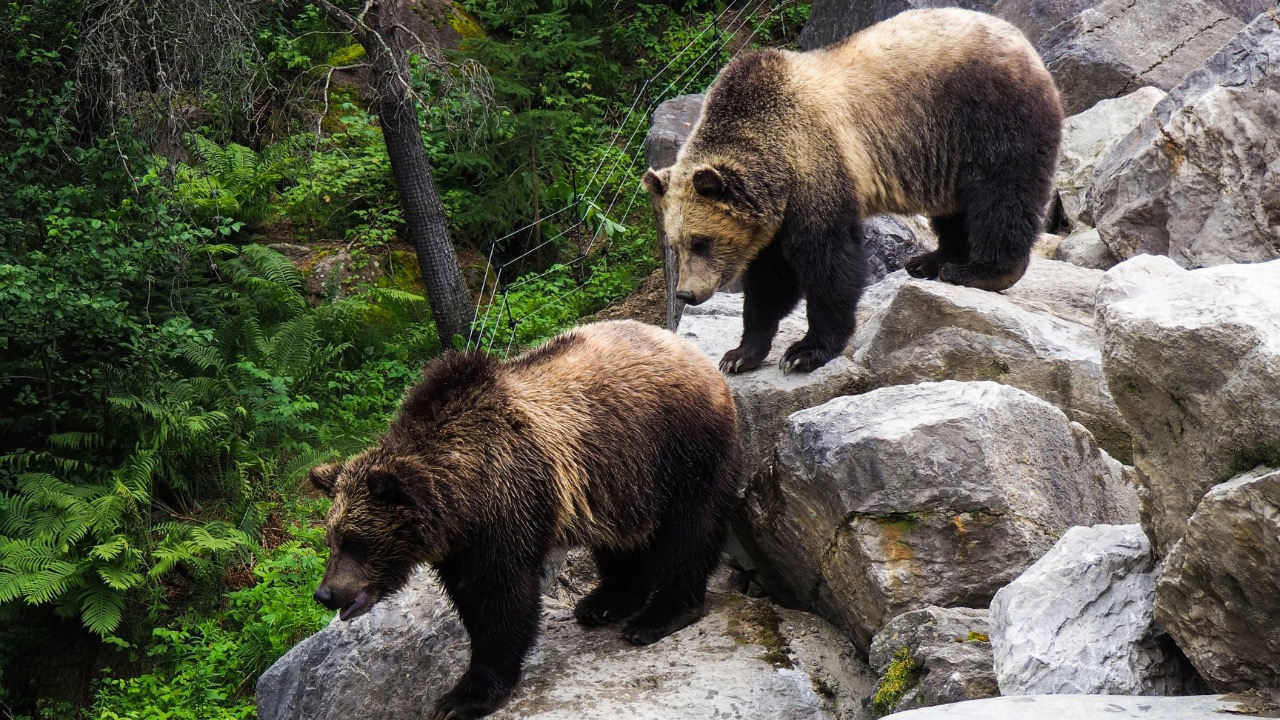
Grizzlies are a different story, but they are part of the same broader pattern of bears regaining ground. A breakdown of grizzly bear numbers by state shows that the Lower 48’s bruins are still concentrated in a handful of core areas in Montana, Wyoming, Idaho, and Washington. Within that cluster, Wyoming stands out for its dense grizzly population around Yellowstone and the Wind River Range, where conflicts with ranchers and backcountry users have become a regular management challenge. At the continental scale, North America is home to about 55,000 brown bears, wherein Western Canada has roughly 25,000 bears, while the United States has about 30,000 spread across Alaska and the northern Rockies, according to a detailed overview of bears of North America. That context matters, because it shows that even as grizzlies remain limited in range, they are part of a much larger continental recovery.
Why bear numbers are climbing so fast
When you look across all these states, a few common threads explain why bears are multiplying. Forest cover has increased in many eastern states as old farm fields grew back into woods, giving bears more denning sites and more mast. Hunting regulations have generally become more conservative over the past few decades, especially for sows, which lets more females survive long enough to raise multiple litters. On top of that, bears are opportunists, and our trash, crops, and backyard feeders have turned into a reliable calorie source that can boost survival and reproduction.
Some of the fastest growth is happening where those factors stack up. In Virginia, for example, managers point to large forest blocks and active bear management programs as key reasons the population has climbed to over 18,000 in recent years. In Asheville, researchers have documented that urban bears with access to human food can grow larger and reproduce earlier than rural bears, a pattern tied directly to people feeding bears or ignoring BearWise guidance around the city. When you combine better habitat, lighter mortality, and easy calories, you get exactly the kind of rapid expansion we are seeing now.
What growing bear populations mean for hunters and hikers
For anyone who spends time outside, more bears on the landscape are both a success story and a practical adjustment. Hunters in states like Michigan and Missouri are seeing more bear sign in places that used to be deer and turkey country, which opens new opportunities but also demands better meat care, cleaner camps, and a sharper eye for tracks and scat. In the Northeast and Southeast, deer hunters and small game hunters are learning to share tight cover with bruins that may be using the same oak flats and creek bottoms, especially during heavy mast years.

Asher was raised in the woods and on the water, and it shows. He’s logged more hours behind a rifle and under a heavy pack than most men twice his age.