

Why classic revolvers are making a comeback in the field
For years, revolvers were treated like leftovers from another era—respected, but rarely carried. Semi-autos dominated conversations, holsters, and magazine covers. Lately, that tone has shifted. More hunters, trappers, and backcountry wanderers are slipping classic wheelguns back onto their belts, not out of nostalgia, but because they solve real problems in the field.
Revolvers thrive where weather, dirt, cold, and neglect punish complicated systems. They reward deliberate shooting and offer flexibility modern pistols often don’t. When you’re miles from a truck and hours from help, practical tools matter more than trends. That’s where the revolver quietly earns its place again.
They Keep Working When Conditions Get Ugly
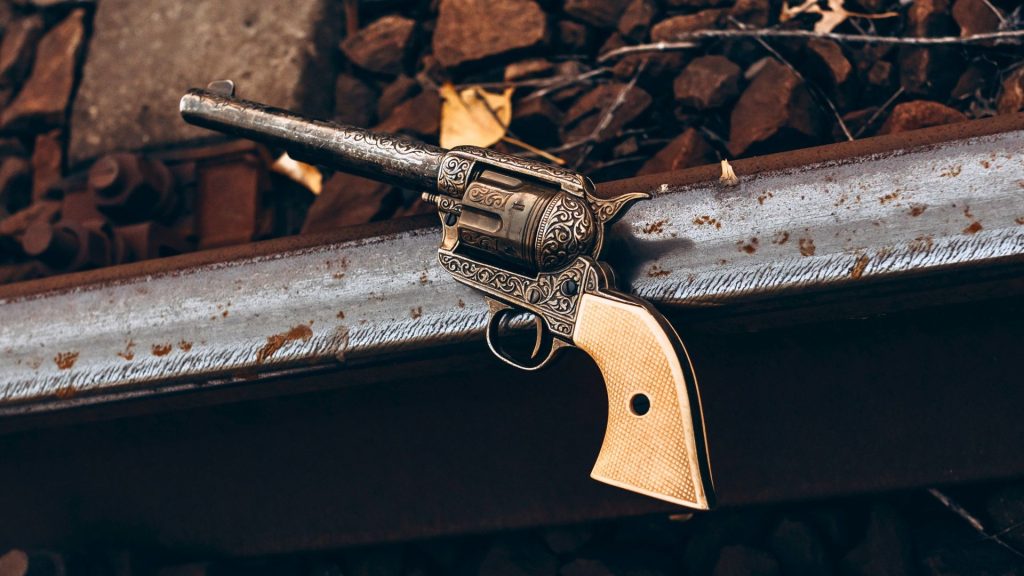
Rain, snow, dust, and grit don’t care what brand you’re carrying. Revolvers tend to shrug off conditions that can slow down or stop semi-autos. There’s no slide to short-stroke and no magazine spring to choke on fine debris.
In cold weather, especially, revolvers shine. Heavy gloves, numb fingers, and stiff lubricant don’t affect a cylinder the same way they affect reciprocating parts. You can fire a revolver after days in a damp pack or a frozen scabbard and still expect it to function. When reliability matters more than speed, that matters a lot.
You Can Load Them With Almost Anything
Revolvers don’t demand a narrow pressure window to run correctly. Light loads, heavy loads, shot shells, and specialty rounds all work without tuning springs or swapping parts.
That flexibility pays off in the field. You can carry snake shot up front, hard-cast rounds behind it, and never worry about feeding issues. A revolver lets you tailor ammunition to the terrain instead of forcing the terrain to fit your gun. For trappers, hikers, and hunters dealing with mixed threats, that versatility is hard to beat.
They Handle Neglect Better Than Most Guns
Field guns get abused. They ride in dusty trucks, bounce against pack frames, and spend nights in wet tents. Revolvers tolerate that kind of treatment better than most firearms.
You don’t need pristine magazines or perfectly clean feed ramps. As long as the cylinder turns and the hammer falls, the gun does its job. That doesn’t mean you should ignore maintenance, but it does mean a revolver won’t punish you immediately if you do. In remote areas, forgiveness counts.
Heavy Bullets Make Sense in the Woods
Classic revolver cartridges favor weight over speed. That translates well in the woods, where penetration matters more than expansion numbers on a box.
Hard-cast bullets from cartridges like .357 Magnum, .41 Magnum, and .44 Magnum punch deep and track straight. They’re effective on tough animals at close range and predictable on bone. When your shots are measured in yards, not football fields, those old-school ballistics still work exactly as intended.
Simpler Manual of Arms Under Stress
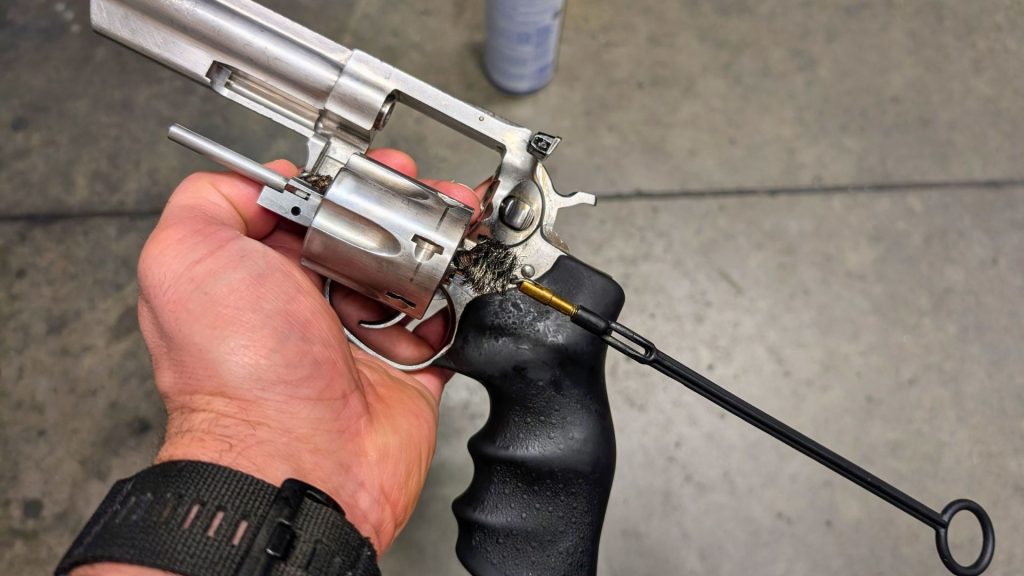
When something goes wrong fast, fewer steps help. Revolvers offer a straightforward manual of arms: point, press, repeat.
There’s no safety to disengage, no slide to rack, and no malfunction drill to remember. If a round doesn’t fire, the next trigger press rotates a fresh one into place. That simplicity appeals to people who carry a sidearm as insurance, not as a primary fighting tool. In the field, clarity beats complexity.
They Pair Well With Holsters and Heavy Clothing
Revolvers carry well in chest rigs, crossdraw holsters, and shoulder setups. Those carry styles make sense when you’re wearing packs, waders, or heavy coats.
A long trigger guard and exposed hammer also work better with gloves than many striker-fired pistols. You can manage the gun without fumbling or adjusting your grip. For cold-weather hunters and late-season trappers, that ease of access is a real advantage.
They Encourage Better Shot Discipline
Six rounds changes how you think. You don’t blaze away or rush shots when every pull counts.
Revolvers slow you down in a good way. They reward deliberate trigger presses and careful sight alignment. Many shooters find their accuracy improves because the gun demands it. In the field, where every shot has consequences, that mindset carries over to rifles and shotguns as well.
They’re Easier to Verify as Loaded or Unloaded
With a revolver, status is obvious. Swing the cylinder out and you know exactly what’s going on.
That matters around camp, in vehicles, and when handing a gun to someone else. There’s no ambiguity and no need to lock the slide back to check a chamber. For people who prioritize safety in shared spaces, that visual confirmation builds confidence and reduces mistakes.
Maintenance Is Straightforward in Camp
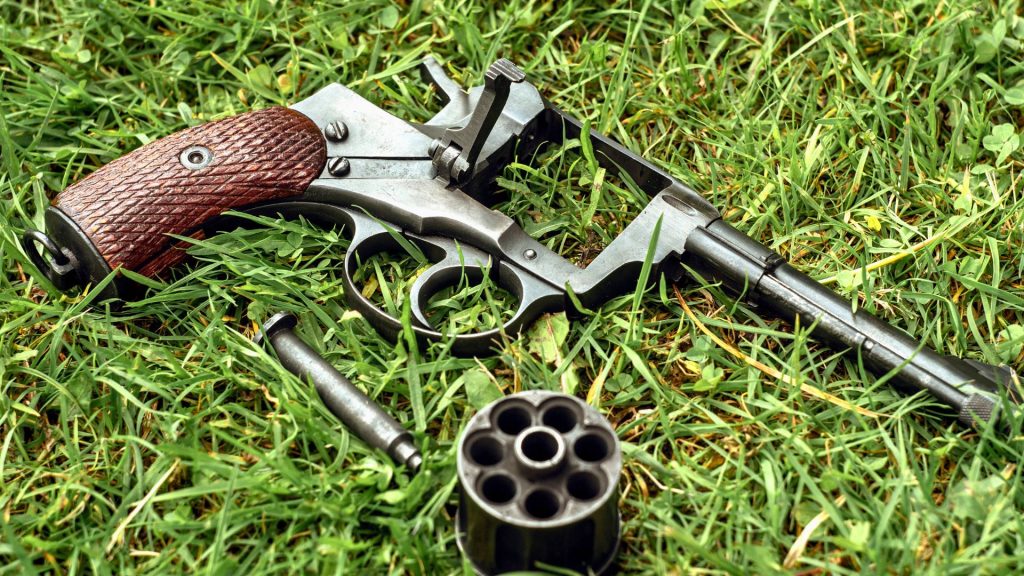
You don’t need a bench or specialized tools to keep a revolver running in the field. A brush, a rag, and a little oil go a long way.
There are fewer small parts to lose and fewer surfaces that demand perfection. Even basic cleaning keeps the gun reliable. When you’re miles from civilization, that simplicity matters more than tight tolerances or fancy coatings.
Revolvers Don’t Care About Grip Strength
Semi-autos demand a certain level of grip and wrist stability to cycle properly. Revolvers don’t.
If you’re injured, tired, or shooting from awkward positions, the gun still works. That reliability under compromised conditions is part of why revolvers never fully disappeared from backcountry carry. When things go sideways, mechanical independence matters.
They Excel as Backup Guns
As a secondary firearm, revolvers make a lot of sense. They don’t rely on magazines and they don’t mind sitting untouched for months.
You can leave one in a chest rig or pack pocket and trust it to work when needed. For hunters carrying rifles, a revolver serves as a reliable fallback without adding mental load or maintenance concerns.
They Balance Well for One-Handed Use
Revolvers tend to balance over the hand instead of forward of it. That helps with one-handed shooting.
Whether you’re holding onto brush, managing an animal, or dealing with uneven footing, that balance matters. You can fire accurately without perfect stance or grip. In real terrain, that’s more valuable than range performance.
They Fit Traditional Field Skills
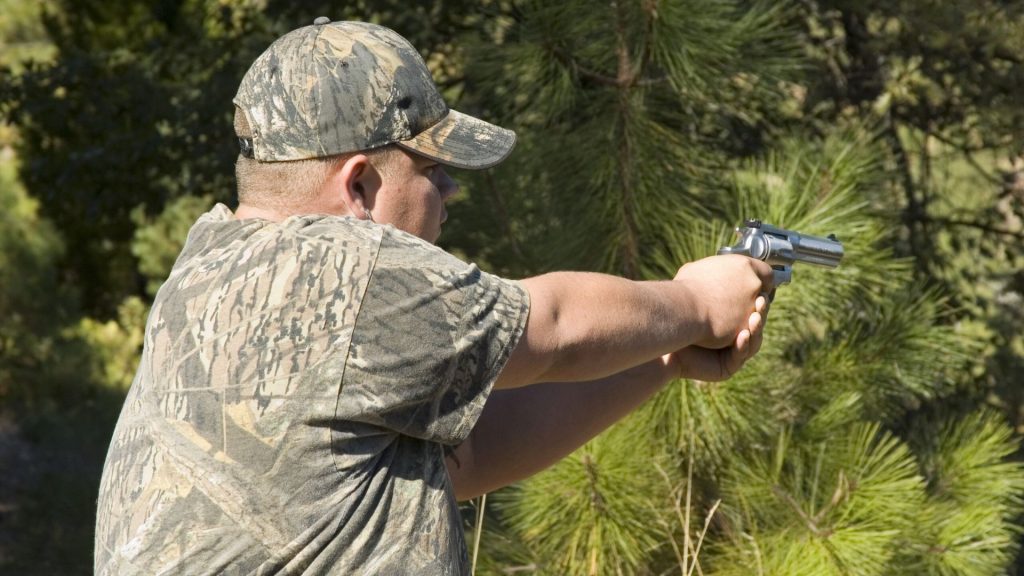
Revolvers align with how many outdoorsmen already think. They’re mechanical, deliberate, and transparent in operation.
For people who value skills over gadgets, revolvers feel natural. They don’t replace marksmanship—they demand it. That mindset resonates with hunters and woodsmen who already prioritize shot placement, patience, and judgment.
The Ammunition Is Widely Available
Classic revolver cartridges have staying power. .357 Magnum, .44 Magnum, and .45 Colt aren’t going anywhere.
You can find them in small-town hardware stores and rural gas stations. In a pinch, availability matters. A cartridge that’s been around for generations tends to stick around for a reason.
They Carry Tradition Without Being Obsolete
There’s history in a revolver, but it isn’t dead weight. These guns still solve modern problems in the field.
They don’t pretend to be something they’re not. They do one job, and they do it consistently. That honesty is part of why people are rediscovering them—not as museum pieces, but as working tools.
Confidence Matters More Than Capacity
At the end of the day, confidence counts. A revolver gives you a clear understanding of what the gun will do every time you pull the trigger.
That trust matters when you’re alone, far from help, and dealing with unpredictable situations. Classic revolvers aren’t coming back because they’re fashionable. They’re coming back because, in the field, they still make sense.

Asher was raised in the woods and on the water, and it shows. He’s logged more hours behind a rifle and under a heavy pack than most men twice his age.


