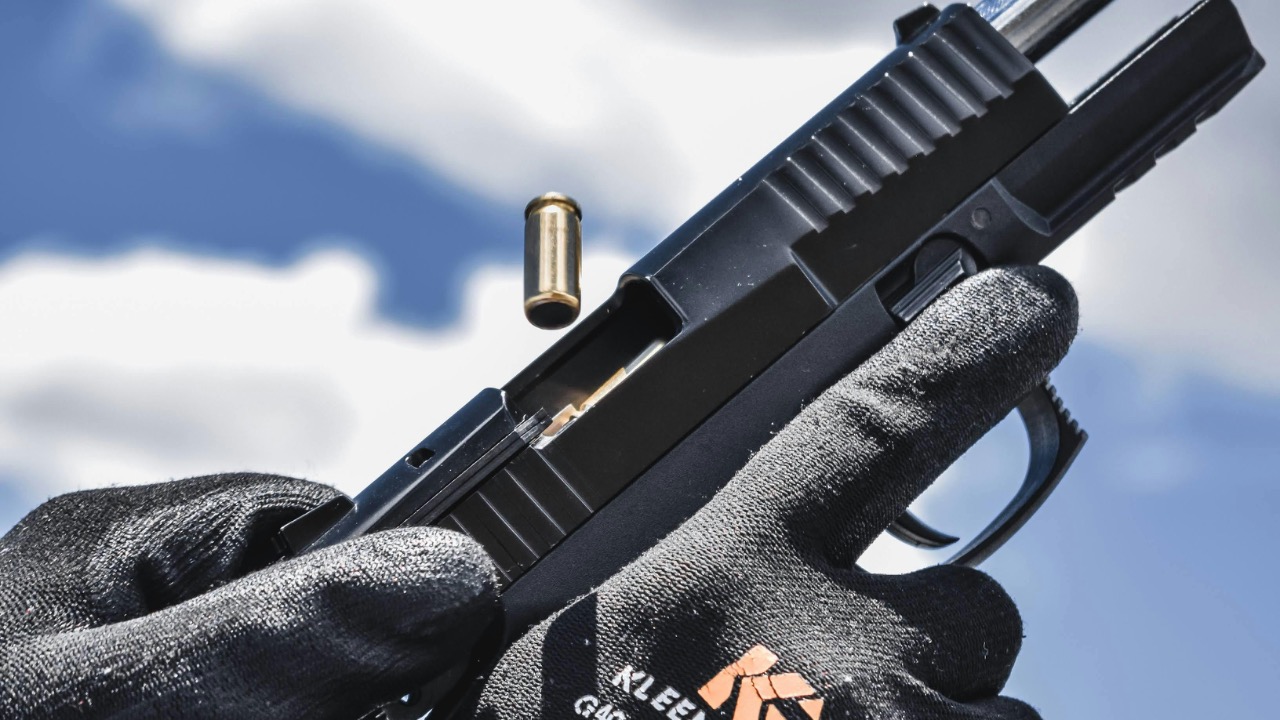
Why I stopped carrying without a round chambered
For years, you’ll hear the same debate at gun counters and on ranges: carry with an empty chamber for safety, or keep one ready to go. I’ve done both. I carried chamber empty when I was newer to concealed carry, telling myself it added a layer of insurance. Over time, experience, training, and a hard look at real-world encounters changed my mind.
If you carry for self-defense, you carry because you accept that something violent could happen fast. That reality forces you to think through the mechanics. After enough reps, classes, and honest self-evaluation, I stopped carrying without a round chambered. Here’s why.
You Don’t Get Both Hands in Real Life

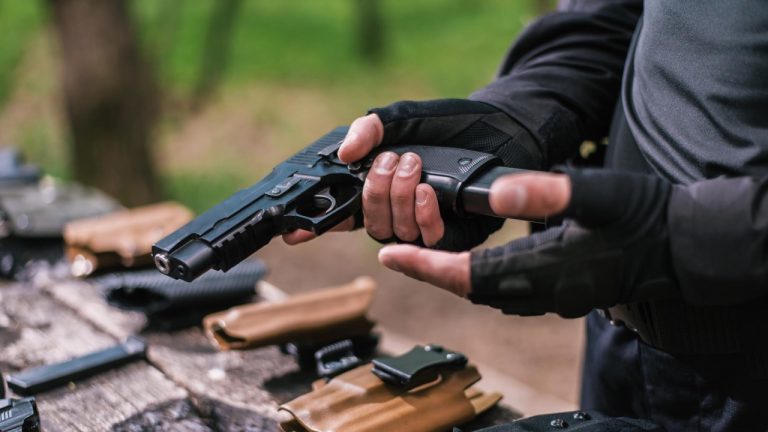
On the square range, you stand tall, draw clean, and rack the slide like it’s a drill. In the real world, you might be fending off an attacker with your support hand, holding a child, or pinned against a vehicle. That second hand you count on may not be available.
You can rack a slide one-handed against a belt or holster, and you should know how. But under stress, fine motor skills deteriorate. Adding extra steps increases the chance of fumbling. When you carry with a loaded chamber, the draw stroke is the whole task. When you don’t, you’ve built in another problem to solve while someone else is trying to hurt you.
Time Is Measured in Seconds, Not Comfort
Defensive encounters unfold fast. Studies and body cam footage show that violence often happens within a few yards and in a matter of seconds. You won’t have the luxury of staging your response.
Racking a slide takes time. It may only be a second, but that second matters when someone is closing distance. When you choose to carry without a chambered round, you’re accepting a delay. After running timed drills and force-on-force scenarios, it became clear that shaving off that step wasn’t theoretical. It was measurable. That difference changed how I thought about readiness.
Modern Pistols Are Built for This
Striker-fired pistols from companies like Glock, Smith & Wesson, and SIG Sauer are designed to be carried with a round chambered. Internal safeties, firing pin blocks, and trigger safeties are standard. They don’t fire unless the trigger is deliberately pressed.
If your gun is in a quality holster that covers the trigger guard, the system is secure. The real safety issue isn’t a chambered round. It’s poor holster choice or careless handling. Once I trusted the engineering and focused on safe habits, the fear of a chambered round started to look more emotional than practical.
The Draw Stroke Should Be Automatic
You train to make the draw one clean, efficient movement. Grip, clear the holster, present, press. That’s it. Adding a slide rack means adding a separate motion that must be timed and executed correctly under stress.
When you practice enough, you realize that simplicity matters. The fewer moving parts in your response, the better. Under adrenaline, your world narrows. You don’t rise to the occasion; you default to your training. Carrying chamber empty forced me to build in a step that didn’t serve me. Eliminating it made my practice and my carry setup align.
Hesitation Is a Liability
When you carry without a round chambered, you’re often doing it because you’re not fully comfortable with the idea of the gun being “ready.” That hesitation doesn’t disappear when something goes wrong.
Confidence in your setup matters. Once I committed to carrying chambered, I trained that way. My draw became consistent. My mindset shifted from cautious to prepared. If you’re second-guessing your equipment or your condition of carry, you’re dividing your focus. In a defensive moment, divided focus can cost you.
You Still Have to Follow the Rules
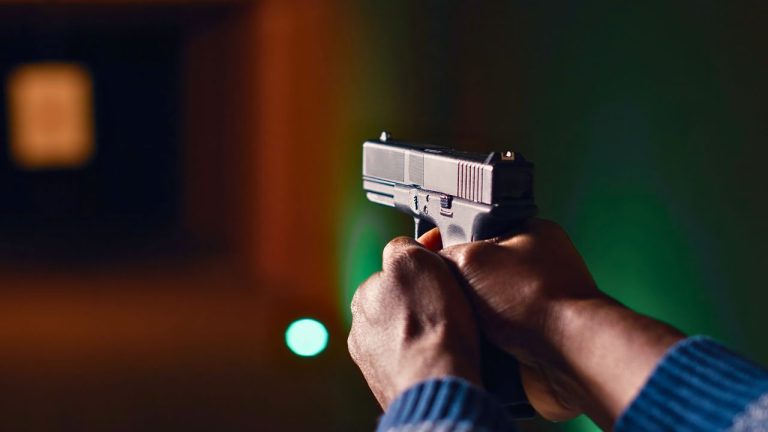
Carrying with a chambered round doesn’t replace safe gun handling. The four safety rules still apply every time you touch the firearm. Your finger stays off the trigger until you’re ready to shoot. You use a rigid holster that protects the trigger guard. You don’t reholster carelessly.
The difference is that you’re accepting the purpose of the tool. A defensive handgun is meant to respond immediately to a lethal threat. After years of carrying both ways, I realized that if I’m going to carry at all, I owe it to myself to carry in a way that matches the reality of how violence happens.

Asher was raised in the woods and on the water, and it shows. He’s logged more hours behind a rifle and under a heavy pack than most men twice his age.