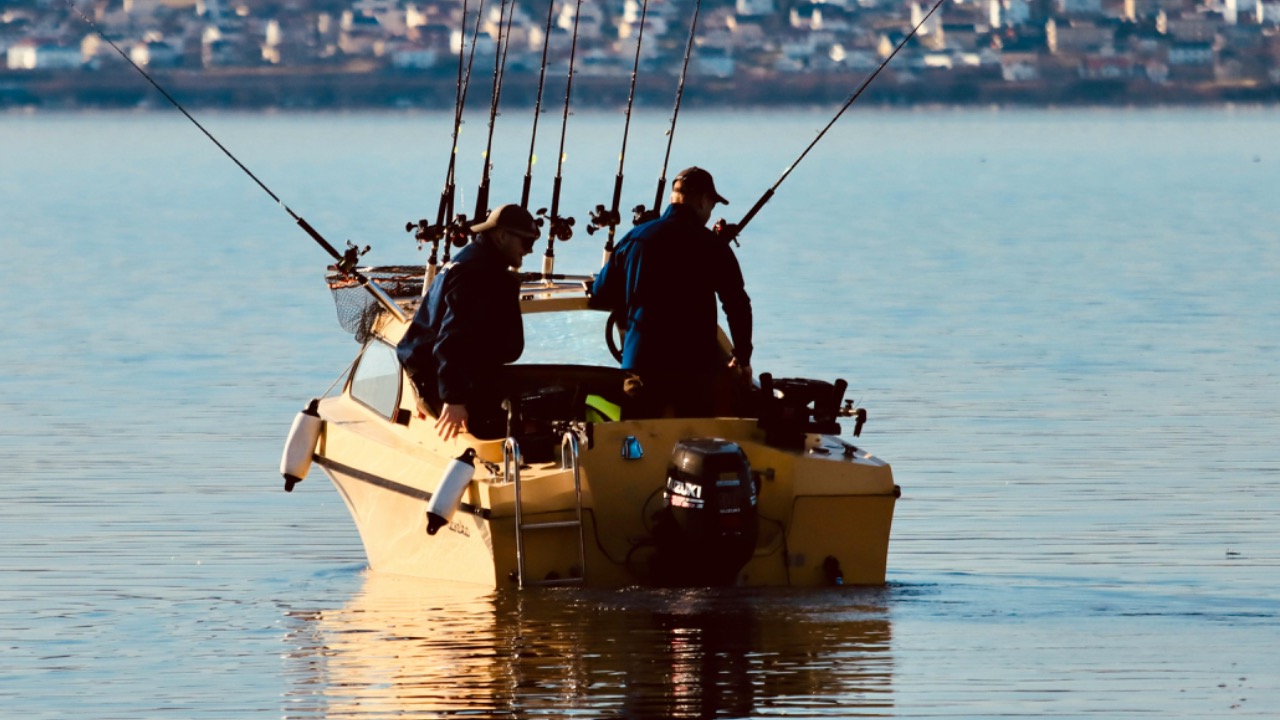
Why more anglers are changing how they fish pressured waters
On many popular lakes, the old formula of beating the bank with a spinnerbait no longer guarantees a limit. As more boats arrive with high-end electronics and social media hotspots, bass are seeing the same lures in the same places day after day. Anglers who keep catching fish on these pressured waters are not just grinding harder; they are changing how, where, and even why they present a bait.
This shift ranges from subtle tweaks in leader size and boat control to wholesale changes in technology and lure design. Taken together, these adjustments show how modern pressure is reshaping the sport and pushing anglers toward quieter, more precise, and more experimental approaches.
Why pressured water feels tougher every season

Veteran anglers increasingly describe a feedback loop in public lakes and reservoirs, where more pressure creates tougher fishing, which then encourages even more aggressive tactics. A detailed discussion in a bass-focused Facebook group explains how growing numbers of forward-facing sonar capable setups and larger, faster boats have concentrated effort on the same offshore structures that used to offer refuge from crowds, turning those areas into new community holes that see constant attention from high-tech pressure.
On heavily fished lakes, fish are also learning. One detailed breakdown of pressured fisheries notes that bass are getting more accustomed to the baits anglers throw and the locations they target, so the same shallow points and docks that produced for years now hold fish that follow but refuse standard offerings. In a separate video on common mistakes, another instructor describes how anglers repeatedly cycle the most obvious spots, which teaches bass to associate trolling motor noise and familiar silhouettes with danger and makes each subsequent pass less productive.
Scientific work is starting to back up what those anglers see on the water. A research-focused presentation on bass behavior asks whether catching a bass once simply makes it harder to catch the next time or whether repeated capture can affect an entire lake for more than 20 years. The presenter cites long-term tagging and recapture data to show that some individuals become significantly more cautious after being caught, which supports the idea that intense effort can gradually shift a population toward fish that are harder to fool, especially in smaller or closed systems that see frequent tournaments and weekend traffic, as discussed in the video on science and tougher.
New pressure, new tools: how technology cuts both ways
Technology is central to why fishing feels different, and it is also central to how top anglers are adapting. A forward-looking breakdown of bass fishing’s future highlights how advanced sonar, mapping, and trolling motor integration now let anglers scan entire points and ledges in minutes while watching fish react to a lure in real time. That same analysis notes that this precision has raised expectations among tournament pros and serious weekend anglers, who now treat electronics as a primary search tool rather than a backup to shoreline reading, as outlined in the discussion of technology and trends.
Recreational gear has kept pace. Retail listings now feature compact, forward-facing sonar compatible screens, wireless trolling motors, and specialized rods marketed for techniques such as hover strolling and mid-strolling that are designed to keep a bait in front of suspended fish that have already seen every conventional crankbait. One example product listing showcases a high-end rod and reel combo built around sensitive blanks and low-stretch line, positioned as a way to feel light bites from pressured fish that only nip at the tail of a finesse presentation, as seen in a current product listing.
Innovation is not limited to electronics. A gear preview for 2026 highlights seven new technologies that promise more successful outings in both freshwater and saltwater. Among them are tuned vibration baits and scent systems marketed as nearly irresistible to pressured fish, along with app-linked bite alarms that track depth and time of strike. The overview notes that these tools require practice but can reward anglers who learn to fine-tune presentations instead of relying on brute-force coverage, as described in the roundup of new fishing innovations.
Stealth and subtlety: the quiet revolution in pressured water tactics
As fish grow warier, many of the most effective changes are almost invisible. A detailed guide to pressured water tactics recommends downsizing leaders, particularly in clear lakes where bass have plenty of time to inspect a bait. The author explains that lighter leaders not only look less intrusive but also let small lures move more naturally, which can be decisive when fish have seen heavy fluorocarbon tied to every popular finesse rig. The same piece notes that pressured fish often slide into deeper water, where they find less light, more stable conditions, and better ambush angles, so anglers who adapt with lighter line and deeper presentations gain an edge, as outlined in the advice to downsize your leaders.
Boat control is another quiet factor. A breakdown of pressured-water strategy from a major tournament platform points to shallow-water anchors as a way to hold position without noise. The author argues that tools such as Power Poles can keep a boat from drifting over a key stretch and prevent anglers from repeatedly running directly over fish with their outboard, which can spook already wary bass in clear or shallow water, as explained in the guidance that notes cannot beat Power.
Stealth extends to casting angles and retrieve speed. Instructional videos on fishing pressured lakes warn against charging straight at the most obvious cover. One coach walks through three common errors: running the trolling motor on high directly over a key stretch, starting with the loudest or brightest bait, and leaving too quickly when fish do not bite. Instead, he suggests approaching from downwind, starting with subtle, natural-colored lures, and making multiple casts at different angles before moving, advice that frames how many serious anglers now think about mistakes on pressured.
New-school baits and patterns for educated fish
Pressure is also changing the lure box. A feature on clear Western reservoirs describes how anglers have embraced a Japanese-inspired free rig that uses a heavy drop-shot weight and a lighter hook connection. The setup lets soft plastics glide and pivot independently of the weight, which creates a different fall and bottom contact than a traditional Texas rig or Carolina rig. Guides in that piece report that heavily pressured bass in clear water often eat the free rig on the drop, seemingly because they have not yet associated its unique movement with danger, as detailed in the coverage of the free rig for Western bass from.
Competitive anglers are also rethinking where they spend their time. A profile of Major League Fishing pros such as Jeff Kriet, Andy Morgan Lee, and Jacob Wheeler emphasizes the value of secondary opportunities. Instead of camping on the most obvious points and laydowns, these pros target nearby but less glamorous cover, such as subtle inside turns, overlooked stretches of bank, or small changes in bottom composition. The piece explains that while Lee, Kriet and Wheeler have all won plenty of money fishing community spots, they often separate themselves by finding similar but less pressured versions of those places, a strategy captured in the advice to learn to identify.
Trend watchers see this experimentation accelerating. A recent breakdown of 2026 bass fishing trends identifies four Critical Trends, including a fuzzy bait revolution that blends hair, marabou, and silicone to create more lifelike profiles, as well as a shift toward precision mid-column presentations that keep baits hovering in front of suspended fish for longer. The presenter argues that these methods have grown directly out of pressure, because bass that ignore fast-moving reaction baits sometimes still react to subtle, persistent offerings that appear to hang in place, as explained in the video on the four Critical Trends.

Asher was raised in the woods and on the water, and it shows. He’s logged more hours behind a rifle and under a heavy pack than most men twice his age.