Why police trade-in pistols keep selling out
Police trade-in pistols sit at the intersection of tight personal budgets, shifting law-enforcement policies, and a gun market that is no longer booming like it did during the pandemic. Even as overall demand for firearms cools, used duty handguns still vanish quickly from store shelves and online listings, snapped up by buyers who see them as a rare mix of affordability and proven reliability. The result is a niche surplus market that keeps defying broader headwinds, even as some agencies rethink whether they should be selling their old guns at all.
At first glance, it looks like a simple bargain-hunter story: cheaper pistols with a bit of holster wear. In reality, the steady sellouts reflect how departments cycle through equipment, how retailers market “LEO trade-ins,” and how policy debates about public safety ripple all the way down to the used-gun counter. I see the appeal, but I also see the tension between a consumer win and the uncomfortable fact that some of these same guns have later surfaced in violent crimes.
Why police pistols hit the used market in the first place
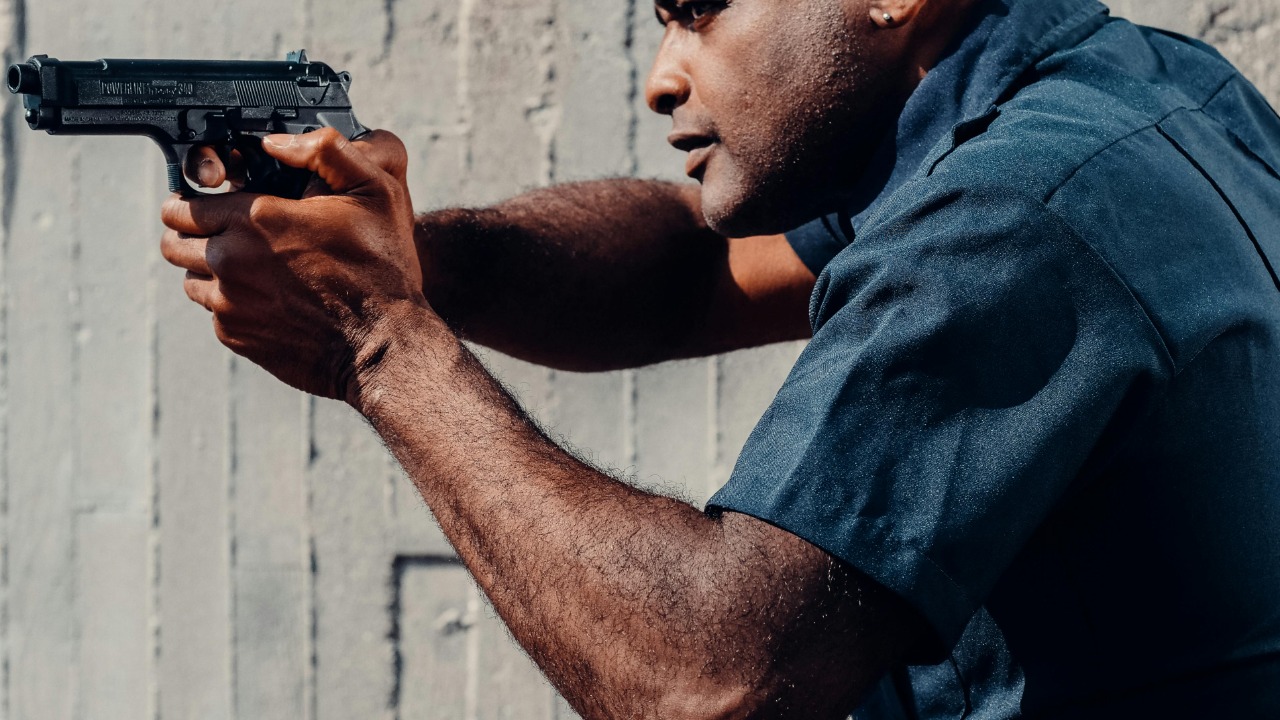
Police departments do not trade in their sidearms because the guns are worn out, they do it because policy, technology, and caliber trends keep moving. When agencies shifted away from revolvers and early semi-autos, the two leading police gun suppliers, Smith, Wesson and Glock encouraged the trend by rolling out pistols with higher capacity and different ballistics, which left departments with thousands of perfectly serviceable older guns. Each new generation of duty pistol, from updated Glock models to optics-ready designs, creates another wave of surplus as agencies standardize on the latest platform and send the previous one to wholesalers.
Those wholesalers then feed a secondary market that has become its own ecosystem. One detailed look at LEO trade-ins describes how, as time marched on, two market factors pushed surplus prices higher: the supply of retired military and police guns was mostly tapped out, and collectors began to prize certain configurations. That combination means every time a department signs a new contract, its outgoing pistols are already spoken for by distributors and retailers who know they can move the inventory quickly.
The value proposition that keeps buyers lining up
For many civilian buyers, the core attraction is simple math. A new duty-grade pistol can easily cost hundreds of dollars more than a cosmetically worn trade-in that has spent its life in a holster. One widely shared post framed it bluntly, saying that if someone is hunting for value without sacrificing reliability, “Good value firearms wise is LEO trade ins,” and that LEO trade ins are it. That kind of endorsement, repeated across forums and gun counters, has turned the phrase “police trade-in” into shorthand for a budget-friendly workhorse.
Owners who have actually bought these guns often reinforce the narrative. In one discussion, a user posting as Iusedtorock reacted to a specific deal by calling it “a damn good deal” and another commenter chimed in with the reminder that “Remember kids, ‘no ethical consumption…..’” The mix of enthusiasm and wry politics captures how these pistols appeal both to cost-conscious shooters and to people who are skeptical of law enforcement but still willing to buy its castoffs if the price is right.
How “gently used” duty guns win over skeptics
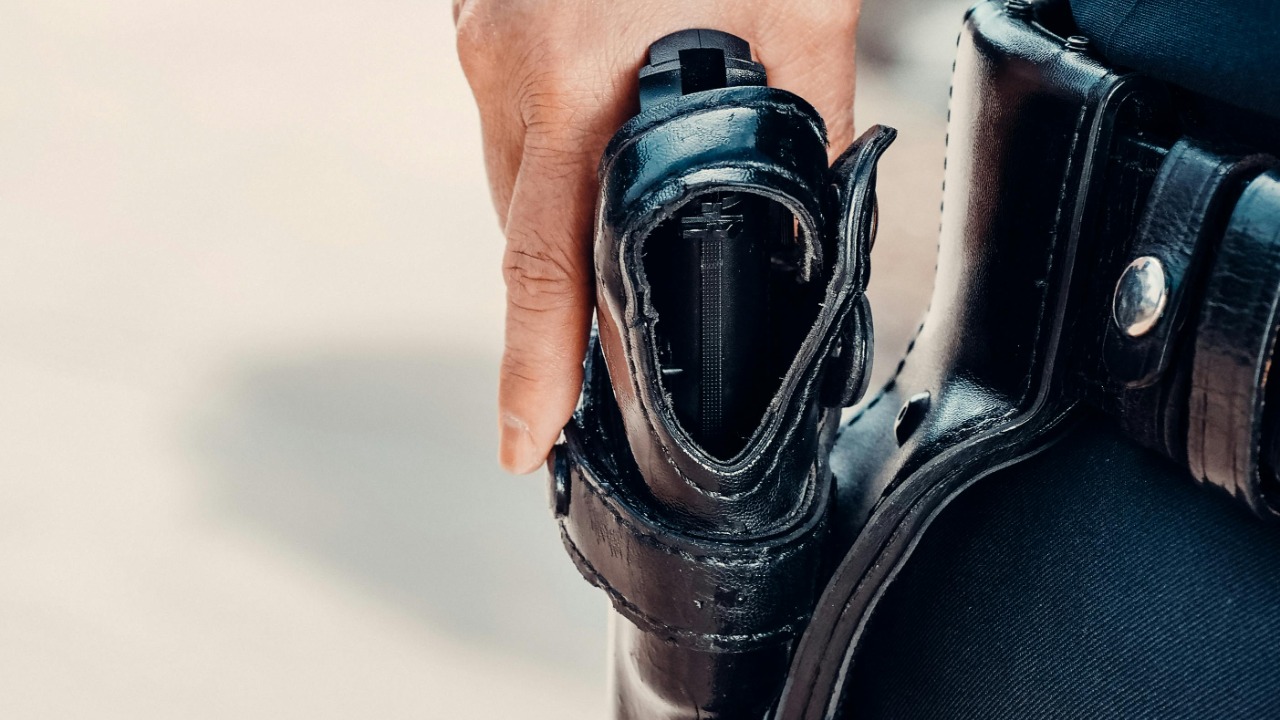
Condition is the other half of the equation, and it is where police trade-ins punch above their price. A recurring point in enthusiast spaces is that if it is a police trade-in, chances are it was pretty gently used, with Most of those guns going in and out of a holster several times a day but seeing relatively few rounds on the range. That pattern produces pistols with scuffed finishes and shiny slide rails but internals that are far from worn out, especially compared with hard-used competition or training guns.
Even skeptics often concede that the mechanical wear is usually modest. One thread about hesitations around law-enforcement trade-ins noted that Concealed carry guns are often carried close to the body and not on a belt out in the weather getting banged on door frames and car doors, but duty pistols still tend to suffer more cosmetic abuse than internal damage. Another Glock-focused discussion featured a commenter describing these deals as the “Best” bargain you can usually get, even if They sometimes look like they have been dragged behind the squad car. The consensus is that buyers are trading showroom looks for duty-proven function, and most are happy with that swap.
Social media, YouTube, and the normalization of buying ex-duty guns
Online culture has done as much as pricing to normalize the idea that a former duty pistol is a smart buy. In one video explicitly asking whether police trade-in guns are junk or not, the host opens by revisiting his own footage and then walks through a couple of caveats before concluding that many of these guns are solid performers, using a conversational tone that makes the topic feel approachable for newer shooters who might otherwise be wary of surplus gear. That kind of content, exemplified by the clip titled “Police trade in guns are junk……..or are they” on Mar 17, 2024, helps demystify the process of inspecting a used duty pistol and encourages viewers to look past cosmetic flaws.
Other creators go further, actively pitching these guns as ideal starter options. A video labeled “Why Police Trade-ins Are Ideal” frames Police Trade weapons as a great option for anyone looking for a good weapon, emphasizing that You get something reliable and cost effective without paying full retail. When I watch how these videos are structured, I see a consistent pattern: personal anecdotes, simple inspection tips, and reassurance that big agencies have already vetted the platforms. That steady drumbeat of positive coverage feeds directly into the perception that if you see a used Glock or Smith with “police trade-in” on the tag, you are looking at a smart, low-risk purchase.
The ethical and public-safety backlash reshaping supply
The consumer story, however, sits on top of a growing public-safety debate about what happens to these guns after they leave police inventory. A major investigation found that over 5,000 police guns were used in crimes between 2006 and 2022, a figure that prompted several agencies to rethink their resale policies and led to headlines about departments ending used gun sales after firearms turned up in crimes. One summary of that work noted that the 2024 investigation was conducted by The Trace, CBS, News and Reveal, The Center for Investigative Reporting, and it has already pushed some departments to stop sending their old pistols into the commercial pipeline.
Policy pressure has only intensified. A detailed look at how several law enforcement agencies have stopped reselling guns described how the Bureau of Alcohol, Tobacco, Firearms and Explosives warned in a January report about gun trafficking that police weapons can end up in violent crimes, and urged agencies to tighten how they dispose of firearms. That same reporting highlighted the Bureau of Alcohol, Tobacco, Firearms and Explosives as a key voice in that shift. Another analysis of police used gun resale policies put a price tag on the broader harm, tallying spending on emergency response, crime scene cleanup, lost wages and tax revenue, and salaries for additional police officers and citizens, and arguing that those costs dwarf the short-term savings from selling surplus guns, a point laid out in detail in That price tag estimate.
Agencies pull back, even as demand stays strong
In response to that scrutiny, some departments have already changed course. A televised segment on agencies changing gun sale policies described how Police agencies shifted their practices after a CBS investigation, with the CBS News report prompting some to stop selling guns to the public altogether. Another piece on law enforcement agencies stopping resales to prevent use in crimes quoted one official saying, “I’d love to see city governments fully fund these weapons purchases so that departments can dispose of their old firearms without needing to recoup costs,” arguing that the public should not have to accept additional risk just so agencies can balance their budgets, a sentiment captured in the line that That should be enough.
Federal guidance has added another layer. Coverage of departments ending used gun sales after firearms turned up in crimes noted that The ATF stressed that when police agencies dispose of firearms, whether by selling them to retailers or officers, they must trace each weapon, a requirement that complicates bulk trade-ins and makes destruction or permanent retention more attractive. That detail, highlighted in a report that quoted The ATF, suggests that even agencies that continue to sell will face more paperwork and potential liability. From a buyer’s perspective, that tightening supply only makes each batch of trade-ins more coveted, which helps explain why they disappear so quickly when they do hit the market.
A cooling gun market with one hot corner
All of this is happening against the backdrop of a national gun market that is no longer in crisis-buying mode. A detailed data analysis found that Gun Sales Have Steadily Declined Since 2020, with one expert noting that “What we saw in 2020 and 2021 were not sustainable from a market standpoint,” and that the market has settled down from what it was during the pandemic. That perspective, laid out in a report on how Gun Sales Have Steadily Declined Since the surge years, helps explain why retailers are eager to stock anything that still moves briskly, including ex-duty pistols.
Within that softer environment, police trade-ins stand out as a reliable bright spot. They appeal to budget-conscious buyers, they carry the aura of professional use, and they are increasingly scarce as agencies rethink resale policies and as older surplus streams dry up. When I look at the mix of online enthusiasm, from people insisting that Good value firearms wise is LEO trade ins to forum users telling others to “Remember” how strong the deals can be, and set it against the policy push from Mar investigations and ATF guidance, the picture that emerges is of a shrinking but intensely sought-after niche. That tension, between a bargain and a broader social cost, is exactly why police trade-in pistols keep selling out even as the rest of the gun counter gets a little quieter.

Leo’s been tracking game and tuning gear since he could stand upright. He’s sharp, driven, and knows how to keep things running when conditions turn.