Why Smaller Carry Guns Are Surging in Popularity Again
Smaller carry guns are moving from niche choice to default option for a wide slice of concealed carriers, reshaping what “everyday gun” means in practice. After years when duty-size pistols and thick double-stack compacts dominated store shelves, buyers are now rewarding designs that shrink dimensions without giving up capacity, controllability, or modern features.
This shift is not only about fashion or marketing. It reflects changes in who is carrying, how often they carry, and what they are willing to tolerate in terms of weight, recoil, and training time. The result is a new generation of micro-compact and slim single-stack handguns that promise to be easier to live with while still serious enough for defensive use.
The long road from duty pistols to discreet carry
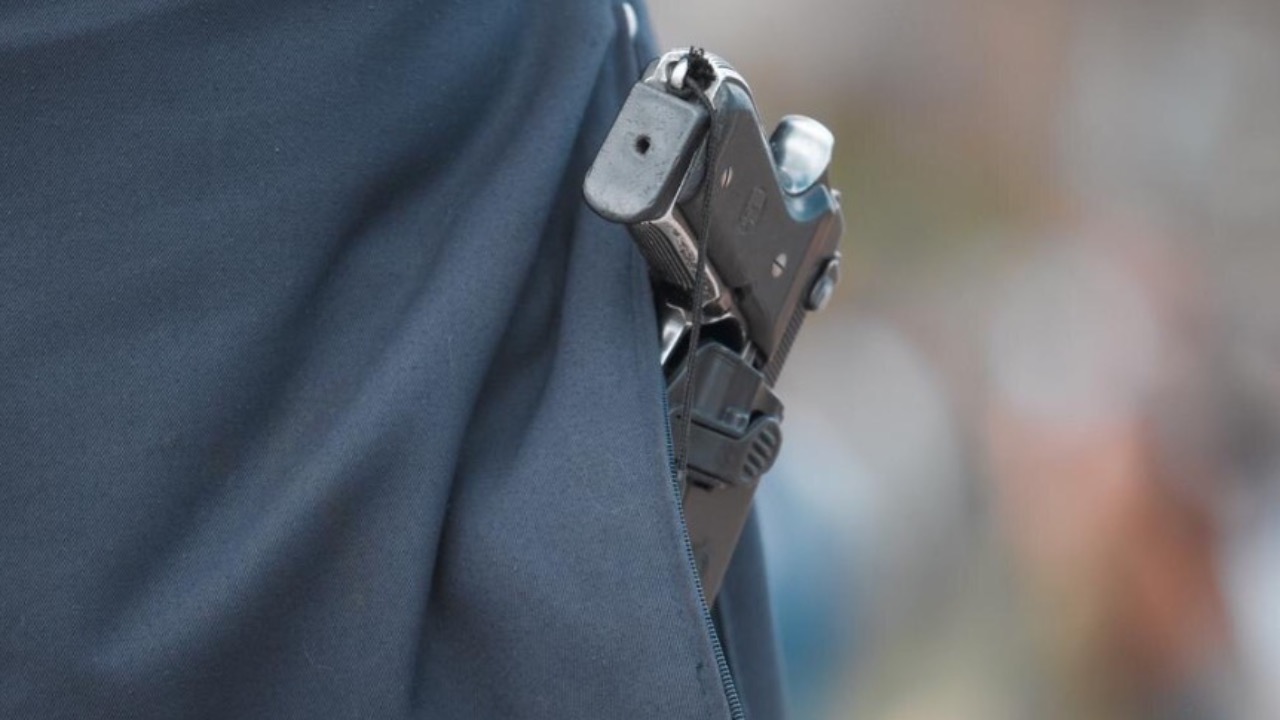
For decades, the standard for a serious defensive handgun was a full-size service pistol, often patterned after military or law enforcement sidearms. Models such as the SIG SAUER P226 MK25 Full Size, which carries a 15 round 9 mm magazine, accessory rail, and long sight radius, represented the ideal of reliability and shootability that many civilians tried to replicate in their own carry choices. A pistol like the P226 MK25 offers excellent control and capacity, yet its weight and overall length make true everyday concealment difficult for most people outside of duty holsters or heavy cover garments.
As concealed carry laws expanded and more civilians began to carry regularly, compromises quickly appeared. Shorter barrel “compact” versions and lighter polymer frames helped, but thickness and grip length still made many of these guns challenging to hide under light clothing. Earlier single-stack designs were slimmer but often limited to modest capacities, which left some carriers feeling under-armed compared with full-size double-stacks. The current surge in smaller carry guns grows directly out of this tension between proven duty-size performance and the practical realities of daily concealed carry.
How micro-compacts rewrote the capacity equation
The recent wave of micro-compact pistols has tried to erase the old tradeoff between size and firepower. Instead of accepting six or seven rounds in a tiny frame, buyers now expect double-digit capacity from guns that still disappear inside a waistband. Reporting on the rise of these guns highlights how “micro” models use staggered magazines and carefully sculpted grips to deliver 10 to 12 rounds in a package that once would have held half that. Some designs even offer 15 round extended mags that approach the capacity of classic service pistols while remaining concealable.
This change in expectations is captured in coverage of the rise of micro-compact, which describes how manufacturers squeezed more rounds into shorter grips without simply bulking up the frame. Rather than building smaller versions of duty pistols, engineers treated concealment as the starting point and then layered in capacity, optics cuts, and improved triggers. The result is a class of guns that appeal to carriers who once would have defaulted to mid-size compacts but now see little reason to accept extra bulk when similar round counts are available in a smaller footprint.
New shooters and the changing concealed-carry crowd
The demographic profile of concealed carriers has shifted, and that change is pushing demand toward smaller guns. Industry observers describe an increased volume of women concealed carrying, identifying women as the fastest growing demographic in the firearm community. These new shooters often prioritize comfort, weight, and ease of concealment because they are fitting a handgun into everyday wardrobes rather than duty belts. Reports on emerging concealed-carry trends note that micro-compact pistols have become the go-to choice for these carriers, precisely because they are easier to conceal without sacrificing strength.
New gun owners also bring different expectations about technology and ergonomics. Many have little nostalgia for older double-stack bricks and instead look for features that mirror modern consumer products: modularity, intuitive controls, and customization. Coverage of trends in concealed describes how the industry responded as new owners sought smaller, easier to manage pistols that still felt modern. This influx of first-time carriers, many of them women and younger adults, has reinforced the market case for compact, lighter guns that do not require a complete wardrobe overhaul to carry discreetly.
Design upgrades that make tiny guns shootable
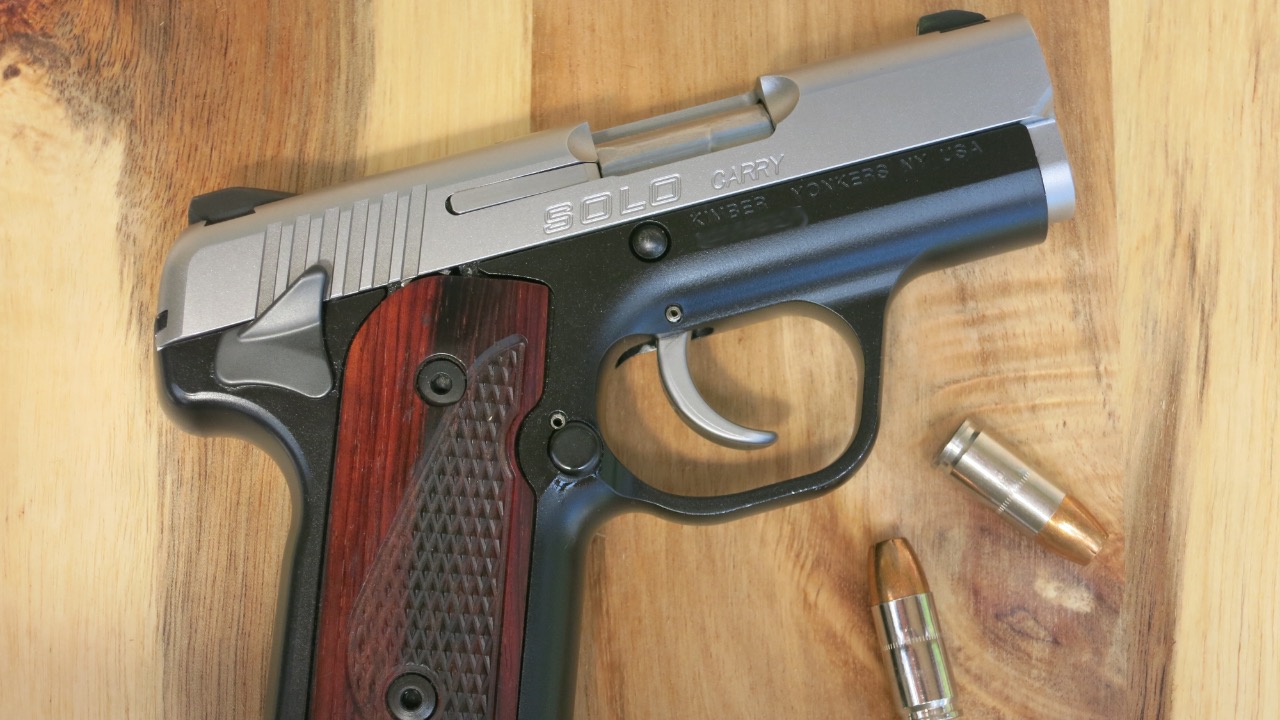
Earlier pocket pistols often felt like compromises, with heavy triggers, tiny sights, and harsh recoil that discouraged practice. The current generation of small carry guns tries to fix those shortcomings through better ergonomics and features that used to be reserved for larger platforms. Reporting on the micro-compact phenomenon points to optic-ready slides, integrated night sights, smooth trigger systems, and enhanced grip textures as standard equipment on many of these pistols. Coverage of the micro-compact gun phenomenon notes that these upgrades make small pistols easier to run effectively for both new and veteran shooters, often outperforming earlier compact designs.
Texture and frame geometry also play a key role in taming recoil in light guns. Aggressive but comfortable grip patterns help shooters maintain control during rapid strings, while slightly extended beavertails and undercut trigger guards improve hand placement. Accessory rails, once rare on subcompact pistols, now appear on many micro-compact frames, allowing users to mount compact lights or lasers without moving to a larger gun. Taken together, these refinements make small pistols feel less like last-ditch tools and more like primary defensive weapons that invite regular training rather than discouraging it.
Ammunition and calibers that reward smaller frames
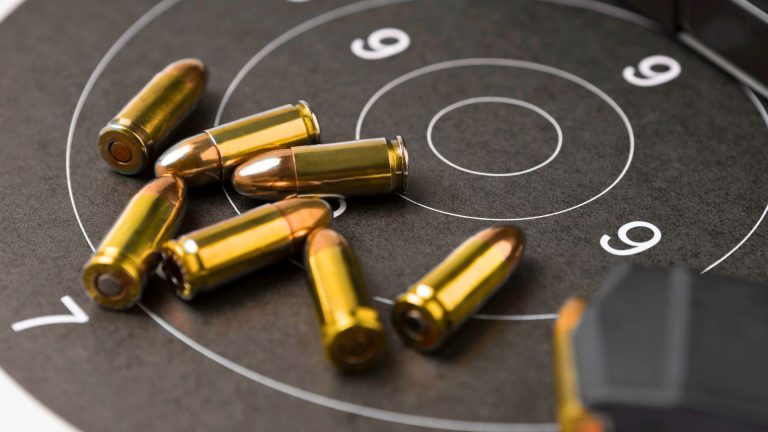
The resurgence of slim single-stack and micro-compact pistols is tied closely to developments in ammunition. Modern defensive loads in 9 mm and .380 ACP deliver performance that earlier generations of shooters could only get from larger calibers, which makes smaller guns more viable as primary carry options. Coverage of single-stack pistols explains that ammunition has also played a crucial role in the design’s resurgence in recent years, noting that the smaller diameter of the 9 mm and .380 ACP cartridges allows for slimmer, concealable carry guns without giving up effectiveness. Reporting on single-stack popularity links these cartridge dimensions directly to the feasibility of narrow grips and thin slides.
At the same time, the 9 mm Luger (9×19 mm) has cemented its position as the most popular handgun caliber for self-defense, law enforcement, and sport shooting. Technical discussion of why 9 mm emphasizes its balance of recoil, terminal performance, and magazine capacity, which fits perfectly with the goals of micro-compact design. Because 9 mm performs well from relatively short barrels, manufacturers can shorten slide and barrel length without sacrificing as much ballistic performance as older carriers might expect. That compatibility between modern ammunition and compact frames is a major reason smaller carry guns feel less like a compromise than they did a decade ago.
Micro-compacts versus classic single-stacks
Although micro-compacts dominate current marketing, traditional single-stack pistols have quietly regained popularity among concealed carriers who value simplicity and thinness above maximum capacity. Reports on single-stack designs describe how these pistols, built around cartridges such as 9 mm and .380 ACP, appeal to carriers who want the slimmest possible profile with enough rounds to address likely threats. The same coverage that highlights the role of Many people comfortably P365 also points back to earlier single-stack variants that remain in demand for their flat profiles, especially for inside-the-waistband and appendix carry.
Micro-compacts, by contrast, use staggered magazines to pack more rounds into only slightly thicker frames. Coverage of micro-compact 9 mm describes how these guns dominate sales by offering near-compact capacity in a short, concealable grip, often crediting early models like the SIG P365 with kicking off the trend. Buyers now weigh the tradeoff between the absolute thinnest possible gun and a slightly thicker micro-compact that adds several more rounds. The renewed interest in smaller carry guns covers both camps: those who want a classic, flat single-stack and those who prefer the higher capacity of modern micro-compacts.
Marketing, social media, and the new “default” carry gun
Manufacturers and retailers have aggressively promoted small carry guns as the default choice for new permit holders. Online storefronts highlight micro-compacts and slim pistols at the top of handgun categories, steering first-time buyers toward these models. Browsing the handgun listings at large retailers shows how prominently compact and micro-compact models are featured compared with full-size duty pistols. Dedicated brand pages for specific micro-compacts, such as the SIG P365 and Springfield Armory Hellcat, frame these pistols as everyday carry solutions rather than niche options, with product descriptions that emphasize concealability, capacity, and modern features.
Social media and online communities amplify this marketing push as owners share carry setups, holster choices, and range results. Links that allow readers to share micro-compact coverage on platforms such as Facebook, Twitter, LinkedIn, and Pinterest help turn each new model launch into a viral event among enthusiasts. Media kits and promotional materials, such as those distributed through SHOT media resources, ensure that micro-compact announcements reach retailers and content creators who will feature them in reviews and videos. In this environment, smaller carry guns are not simply an option on the shelf; they are presented as the modern standard that every new carrier is expected to consider first.
Real-world tradeoffs: recoil, grip, and training
The surge in popularity of smaller carry guns does not erase the physical realities of shooting lightweight pistols. Shorter grips can be harder to control, and reduced mass means more felt recoil with each shot. Analysis of the drawbacks of small concealed carry guns notes that while Many people comfortably carry guns such as the S&W Shield Plus and SIG P365, not every shooter finds these platforms easy to shoot well over extended practice sessions. Reporting on the New Chapter of emphasizes that confidence and competence must go hand in hand, which requires regular training with whichever gun a carrier chooses.
Smaller guns also demand more attention to grip technique, sight tracking, and trigger control, especially under stress. Some trainers recommend that new shooters start with slightly larger compacts to build skills before moving down to micro-compact frames. Others argue that carriers should train primarily with the gun they actually carry, even if it is less comfortable to shoot. Either way, the popularity of small pistols has pushed instructors and ranges to adapt curricula, offering classes focused on micro-compact handling and drawing from deep concealment so that carriers can manage the tradeoffs that come with their chosen size.
Safety, responsibility, and the path forward
As more people adopt smaller carry guns and carry more often, safety and secure storage remain central concerns. Federal guidance on firearms safety encourages owners to treat every gun as if it is loaded, store firearms unloaded and locked when not in use, and keep ammunition stored separately. Resources from the Bureau of Alcohol, Tobacco, Firearms and Explosives on firearms safety and stress that these principles apply equally to tiny micro-compacts and full-size pistols. The ease of concealment that makes small guns attractive also makes it easier to forget a pistol is present, which increases the need for disciplined handling and consistent holster use.
Retailers and manufacturers have also integrated safety messaging into product ecosystems, from lockable cases included with new guns to training videos that accompany micro-compact launches. Links that route buyers from product pages, such as those for the SIG P365 or Springfield Armory Hellcat, to safety information and owner manuals illustrate how companies try to pair hardware with guidance. As smaller carry guns continue to surge in popularity, the long-term impact will depend not only on engineering advances but also on how well owners integrate these compact tools into responsible daily habits, secure storage practices, and ongoing training.

Leo’s been tracking game and tuning gear since he could stand upright. He’s sharp, driven, and knows how to keep things running when conditions turn.