Why some Navy SEALs have favored the Glock 19 over the Glock 17
Navy operators have long had access to full‑size service pistols, yet many of them gravitate to the more compact Glock 19 when given a choice. The preference is not about fashion or brand loyalty, but about how a slightly smaller handgun fits the realities of modern special operations, from concealed carry in civilian clothes to cramped helicopter cabins and maritime missions. The appeal of the Glock 19 over the Glock 17 comes down to size, versatility, and how easily it can be tailored to the way Navy SEALs actually fight.
Both pistols share the same basic design, caliber, and manual of arms, so the decision is less about raw firepower and more about balancing concealability, capacity, and reliability under extreme conditions. That balance has turned the compact model into a kind of default sidearm across parts of Naval Special Warfare and wider SOCOM, while the full‑size Glock 17 remains a solid but more traditional duty gun.
From Mk handguns to a “Custom” Glock 19
Navy SEALs did not start their modern era of sidearms with Glock at all. For years, Naval Special Warfare relied on the Mk series of pistols, including the Mk 24, also known as the HK45 Compact Tactical, which was built around .45 ACP and threaded barrels for suppressors. The Mk 24 and related models were purpose built for maritime and special operations, but they were heavier, larger, and more specialized than the 9 mm polymer pistols that would follow, and even advocates of the Mk 24 acknowledged that SEALs eventually shifted because newer options were lighter and highly adaptable with aftermarket parts, as detailed in overviews of the Mk handguns.
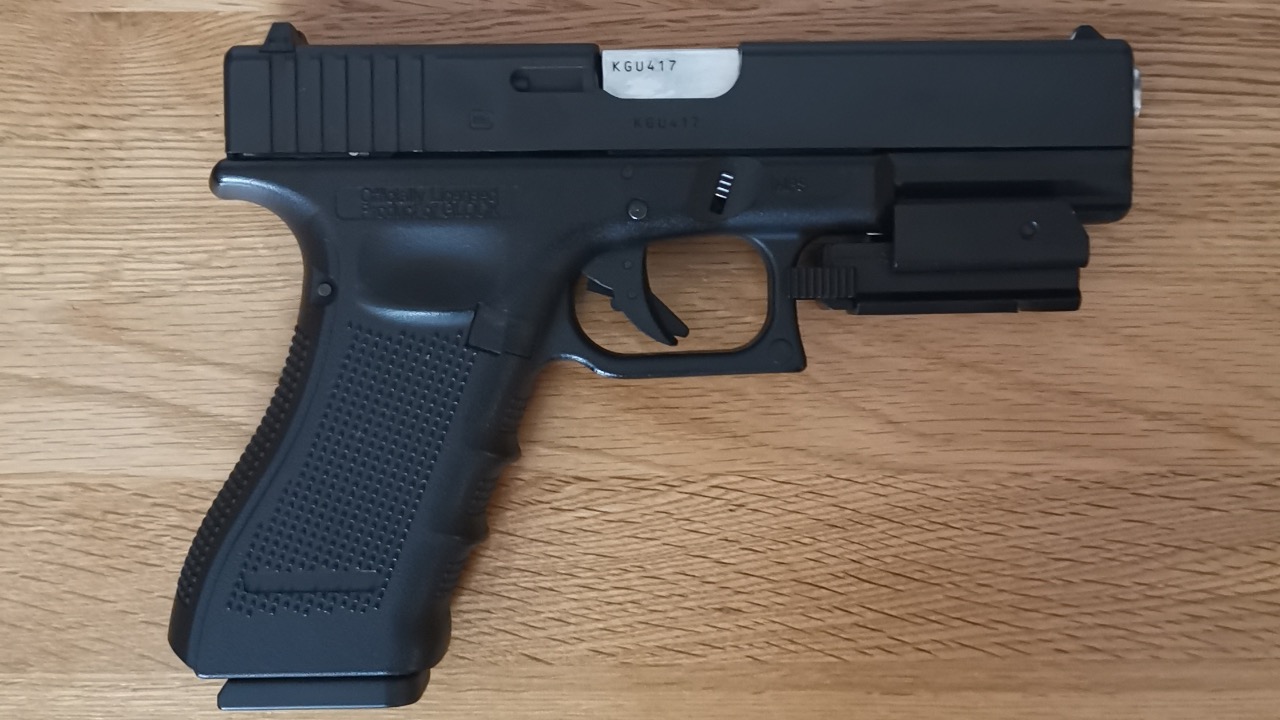
When Naval Special Warfare units began adopting Glock, they did not simply take a stock pistol off the shelf. Accounts of SEAL armories describe a Glock 19 that is effectively a custom package, with upgraded sights, threaded barrels, and other enhancements that reflect how often the sidearm must integrate with optics, suppressors, and weapon lights in real missions. One detailed breakdown of these setups notes that the Glock 19 Gen 5 is widely present in team rooms across SOCOM, and that SEALs love their “custom” precisely because it can be tuned to their needs while retaining factory‑level reliability.
Size, concealability, and the Glock 17 comparison
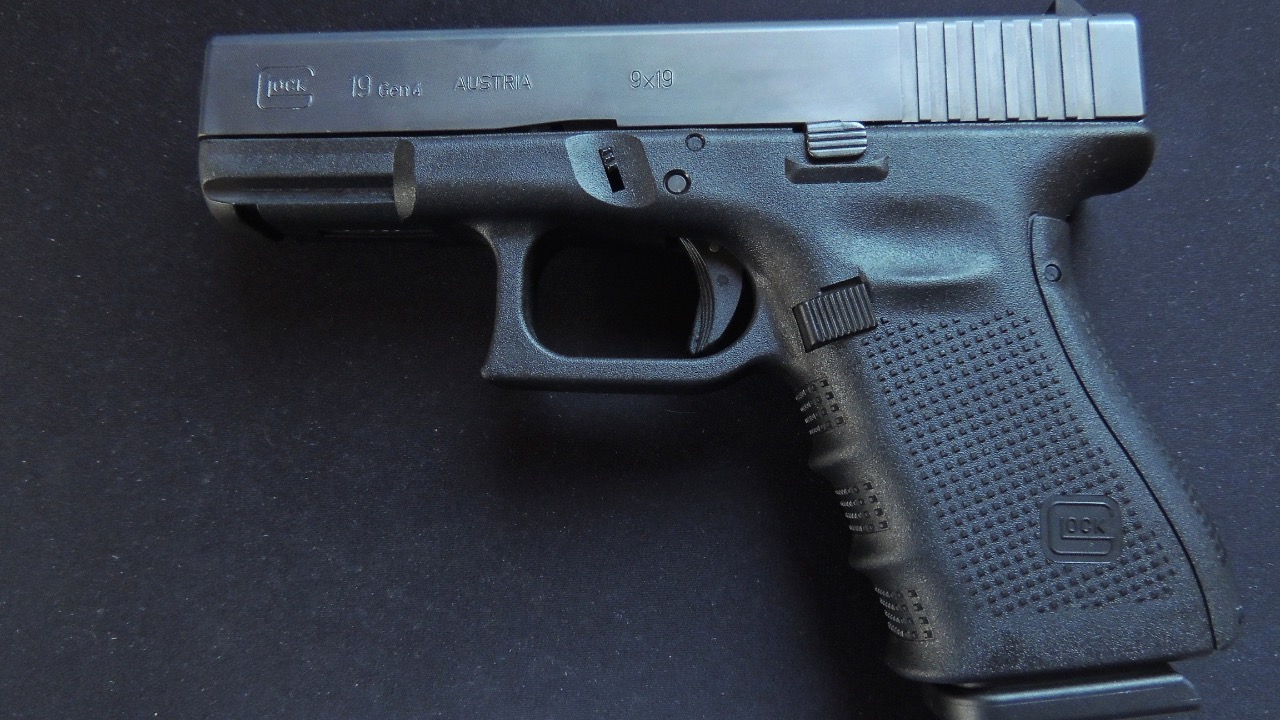
The core mechanical differences between the Glock 17 and Glock 19 are modest on paper, but they matter in practice. The Glock 19 has a shorter grip frame, slide, and barrel, which trims overall length and height while preserving the same basic operating system. Guides that compare the two models explain that the 19 was essentially created as a compact version of the original full‑size 17, with the shorter dimensions making it easier to conceal and more comfortable for users with smaller hands, as summarized in an introduction to the.
For SEALs, those small reductions in length and height translate into less printing under civilian clothing, less bulk on a plate carrier, and less interference when climbing, swimming, or moving through tight spaces. Civilian and law enforcement shooters have long echoed that logic, with one detailed discussion of the compact model pointing out that the Glock 19 became more appealing than the Glock 17 partly because it offers nearly the same shootability in a package that carries more comfortably for long hours, which helps explain why the compact Glock gained such traction beyond the military.
Capacity, ergonomics, and how SEALs actually carry
One tradeoff between the two pistols is magazine capacity. According to Glock’s own specifications, the standard Glock 17 magazine holds 17 rounds of 9 mm, while the Glock 19 standard magazine holds 15. Comparative guides highlight this as the major differentiator, noting that shooters who favor the 17 often do so because they want those extra two rounds, while others prefer the compact grip of the 19 and are comfortable relying on spare magazines to offset the difference, a point laid out in a capacity comparison.
For SEALs, the reduced capacity is less of a penalty than it might appear. Operators typically carry multiple magazines and often run extended or shared‑pattern magazines that can fit both models. What matters more is how the pistol sits in the hand and on the body. Some Naval Special Warfare users have commented that the Glock 17 can feel slightly more forgiving when shooting with gloves, while the 19 is easier to conceal and more comfortable in appendix or hip carry when working in plain clothes. A widely shared discussion of the community’s move to the compact model notes that Naval Special Warfare chose the Glock 19 even though some expected the 17 to be favored with gloves, a debate captured in a thread on Naval.
Weight, balance, and all‑day carry
Weight and balance are another reason compact pistols appeal to people who carry them constantly. Comparative tests of the Glock 17 and Glock 19 note that the loaded weight difference is not enormous, but the way that weight is distributed changes how the gun feels on the belt and in motion. One instructor’s analysis stresses that the shorter slide and grip of the Glock 19 shift the center of gravity closer to the body, which can make the pistol feel less top heavy and more stable during concealed carry, especially when moving, as explained in a breakdown of how weight distribution changes.
That same effect matters to SEALs who may wear the pistol for long missions, including on helicopter flights, shipboard operations, and low‑visibility work in civilian clothes. A full‑size Glock 17 on a hip or thigh rig can bump into seat belts, harnesses, and gear, while a slightly shorter Glock 19 is less likely to snag and is easier to sit with for hours. Comparative guides aimed at everyday carriers reach similar conclusions, noting that the G19 is marginally easier to conceal and more comfortable without giving up much shootability, an assessment echoed in a weight and concealability overview that many special operators would likely find familiar.
Reliability, modularity, and special operations demands
Any sidearm carried by Navy SEALs must survive salt water, sand, rough handling, and long periods without detailed maintenance. Commenters who have worked with Glock pistols in harsh environments frequently describe them as reliable, combat accurate, rugged, and simple to maintain and operate, emphasizing that the polymer frame is more resistant to salt water than traditional steel or alloy frames and that replacement parts are very easy to source, as one explanation of why they are reliable puts it.
Special operations units also prize modularity. Analyses of the Glock 19’s popularity among elite forces describe the pistol as absurdly simple for a modern firearm, with a small number of parts, straightforward fieldstripping, and broad compatibility with optics, suppressors, and lights. Those same discussions emphasize that any handgun should be accurate, but that the one carried by special operators must work the most, which is why the Glock 19’s balance of reliability and customization has made it a favorite among units that operate worldwide, as detailed in a review of why Glock is favored by special forces.

Leo’s been tracking game and tuning gear since he could stand upright. He’s sharp, driven, and knows how to keep things running when conditions turn.