Why the .223 isn’t going anywhere—despite the haters
Every few years, someone declares the .223 dead. Too small. Too light. Not enough punch. And every time, the cartridge keeps showing up in deer camps, patrol cars, pickup racks, and range bags. You’ve probably heard the complaints, and maybe even repeated a few yourself after a bad experience or a bad shot. But step back and look at how the .223 actually gets used by people who shoot a lot, hunt smart, and understand limitations. This round has stuck around because it keeps doing real work. Not theoretical work. Real-world work. The rifles chambered for it keep evolving, ammo keeps improving, and shooters keep finding reasons to stick with it.
It Still Flat-Out Works in the Field
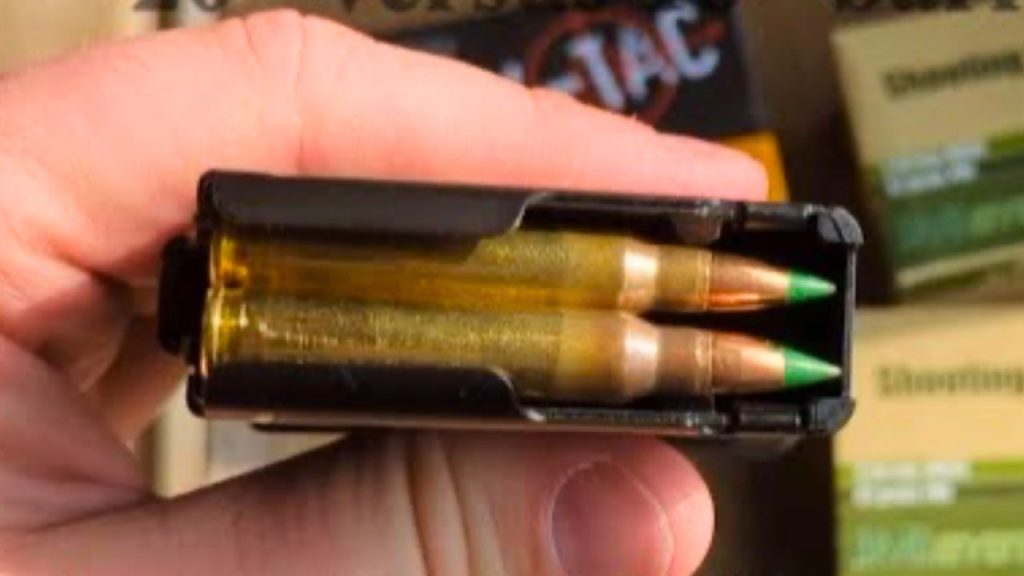
The .223 keeps earning its place because it performs when used within its limits. With modern bullets and realistic shot distances, it puts animals down cleanly. You don’t need dramatic recoil or oversized cases to get reliable results on varmints, predators, and even deer where legal.
Rifles like the Tikka T3x Lite in .223 show how accurate and predictable the cartridge can be. You can place shots precisely, even under pressure. When you hunt with intention instead of ego, the cartridge rewards you with clean kills and manageable follow-ups. That practical performance matters more than internet arguments.
Recoil Lets You Shoot Better, Not Braver
The .223’s low recoil keeps you honest and consistent. You stay on target, spot your hits, and recover fast. That matters when you’re shooting from awkward field positions or dealing with wind. Heavy recoil hides mistakes. The .223 exposes them.
Rifles like the Howa Mini Action make this clear. You can shoot all afternoon without fatigue creeping in. That leads to better practice, better habits, and better shot placement. Plenty of bigger cartridges get chosen for confidence, not competence. The .223 sticks around because it helps you actually shoot well.
Ammo Availability Isn’t Going Away
When shelves get thin, .223 is still there. That alone keeps it relevant. It’s produced in massive volume, loaded by nearly every manufacturer, and offered in more bullet styles than most cartridges combined.
A rifle like the Savage Axis II in .223 benefits directly from that availability. You can test different loads without selling gear to afford it. Cheap practice ammo and quality hunting loads coexist in the same caliber. That accessibility keeps shooters invested, and invested shooters keep a cartridge alive long after trends move on.
Modern Bullets Changed the Game
The .223 people criticize today isn’t the same one from thirty years ago. Bullet construction has come a long way. Bonded soft points, controlled expansion designs, and solid copper projectiles changed how the cartridge performs on game.
In rifles like the Ruger American Predator, these modern loads tighten groups and improve terminal performance. Penetration is more consistent, expansion is more reliable, and results are easier to predict. Old opinions based on outdated bullets don’t hold up anymore, and the cartridge keeps proving that point season after season.
Lightweight Rifles Matter More Than Ever
Hunters are carrying rifles farther and shooting them more. The .223 shines in lightweight platforms that don’t punish you on long walks or steep climbs. You notice that difference after a full day in rough country.
The Kimber Hunter in .223 is a good example. Light, balanced, and easy to manage, it lets you stay focused instead of worn down. A cartridge that works well in a trim rifle has staying power. The .223 fits that role better than most, and that alone keeps it relevant.
It’s Easier on Barrels and Wallets
Barrel life matters, especially if you shoot often. The .223 is easy on barrels compared to faster, overbore cartridges. You can put thousands of rounds downrange without watching accuracy fall apart.
Rifles like the CZ 527 earned loyal followings because they stayed accurate over long shooting careers. Combine that longevity with affordable ammo, and you get a cartridge people actually use. Guns that get shot stay relevant. Guns that sit in safes fade out. The .223 keeps showing up at the range for a reason.
It Excels at Wind Practice, Not Guesswork
The .223 doesn’t forgive bad wind calls, and that’s a strength. It teaches you to read conditions instead of overpowering them. You learn faster when mistakes are visible.
In a rifle like the Bergara B-14 HMR, the cartridge becomes a training tool. You see drift, make corrections, and improve. That skill transfers to every other rifle you shoot. Cartridges that build shooters instead of masking errors tend to last, and the .223 has been doing that quietly for decades.
Semi-Auto Platforms Keep It Relevant
The .223 thrives in semi-auto rifles that are reliable, accurate, and practical. That versatility keeps it embedded in American shooting culture. You can hunt with it, train with it, and defend with it using the same basic platform.
Rifles like the FN Patrol Rifle show how mature the cartridge-platform pairing has become. Consistent cycling, manageable recoil, and accuracy you can trust keep shooters invested. As long as semi-autos remain popular, the .223 will remain central to that conversation.
Youth and New Shooters Start Here
Cartridges that bring new shooters in don’t disappear. The .223 is manageable, approachable, and forgiving enough to build confidence without fear. That matters more than raw energy numbers.
Rifles like the Ruger American Ranch make learning straightforward. Light recoil, good accuracy, and affordable ammo remove barriers. Those shooters grow up with the cartridge, learn its strengths, and often keep one around even as they add bigger rifles. That generational handoff is part of why the .223 isn’t fading.
Suppressor Use Favors the .223
As suppressor use grows, the .223 benefits. It suppresses well, cycles reliably, and stays controllable even with added weight up front. That combination keeps it practical.
In rifles like the Daniel Defense DDM4 V7, suppressed shooting stays comfortable and effective. Follow-up shots are fast, blast is reduced, and communication stays easier in the field. Cartridges that adapt to modern gear stay relevant. The .223 fits suppression better than many larger options.
Precision Doesn’t Require Size
Accuracy has never been the .223’s problem. In the right rifle, it produces tight groups with boring consistency. That keeps precision shooters coming back.
The Seekins Havak HIT in .223 shows what the cartridge can do when paired with quality components. You get repeatable hits and predictable behavior without excess recoil. Precision shooting rewards consistency, not horsepower. The .223 delivers that in spades, and shooters who value accuracy over noise understand why it endures.
The Results Speak Louder Than Opinions
At the end of the day, the .223 keeps getting used because it keeps working. People hunt with it, compete with it, train with it, and defend with it. That kind of widespread utility isn’t an accident.
Rifles like the Winchester XPR prove that you don’t need exotic gear to get reliable performance. When a cartridge keeps showing up in successful hands year after year, it earns its place. Critics come and go. The .223 stays because results don’t argue.

Asher was raised in the woods and on the water, and it shows. He’s logged more hours behind a rifle and under a heavy pack than most men twice his age.