Why Vietnam veterans’ stories still matter today
Vietnam veterans are getting older, but the stories they carry are not fading with them. Those memories still shape how the United States fights wars, treats trauma, and argues about what it asks young people to do in its name. If we want to understand the country we live in now, we still need to listen carefully to what they saw, what they survived, and how they were treated when they came home.
The scale of service and sacrifice
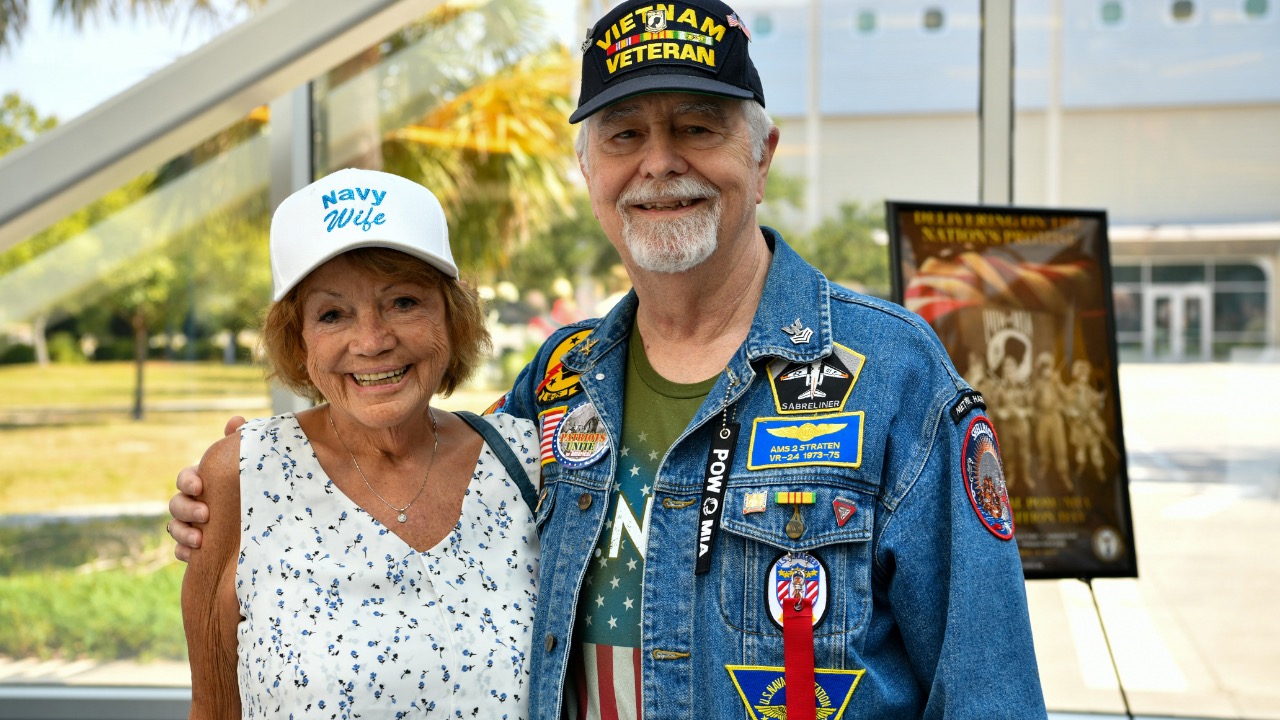
Any honest look at why these stories matter has to start with the sheer scale of what Americans sent into Southeast Asia. In all, more than 2.7 m Americans served in uniform in Vietnam and more than 58,000 lost their lives. Those numbers are not abstractions, they are high school classmates, small town coaches, and young parents who never came back. When I talk with Vietnam veterans, they still rattle off names of friends they lost the way other people talk about old hunting partners or fishing buddies, except the stories usually stop mid sentence.
The scale of that commitment is still visible in the systems built to care for those who survived. The federal network that serves veterans today, from disability claims to hospital care, grew up in large part to handle the long tail of Vietnam. The national veterans’ portal at VA.gov is full of programs that trace their roots to that war, from Agent Orange screenings to mental health support. When a younger veteran from Iraq or Afghanistan walks into a clinic and finds a PTSD group already running, that is partly because Vietnam veterans spent decades forcing the country to admit that combat follows you home.
How Vietnam reshaped trust in government
Vietnam did not only scar the people who fought it, it also rewired how Americans think about their leaders. One historian has argued that many of the troubles that plague the nation today, including alienation, resentment, cynicism, and the mistrust of government, are rooted in the Vietnam War era, a point laid out bluntly in an analysis from Vassar. When I listen to veterans describe watching official briefings that did not match what they saw in the jungle, I hear the same skepticism that younger voters now bring to press conferences and social media feeds. Their stories are a living record of how that trust was broken in real time.
Those fractures still echo in public arguments about when to use force. Analysts have described how Contested ideas about the war and its meaning continue to reverberate among historians, military leaders, politicians, and the public. When a Vietnam veteran tells you about being sent back into a valley that had already chewed up his platoon, he is not only reliving a firefight, he is quietly asking whether the people in charge had any idea what they were doing. That question still hangs over every new deployment order that crosses a president’s desk.
The homecoming that never really ended
Unlike the parades that greeted earlier generations, many Vietnam veterans stepped off the plane into a country that wanted to look away. Accounts of Oklahomans and the describe how Veterans Return Home to a public that was exhausted and divided. Unlike veterans of other wars, Vietnam veterans did not return home to cheering crowds, and most Americans wanted to forget a time that should be forgotten. When I hear older vets talk about changing into civilian clothes before leaving the airport, or hiding their service from college classmates, it is clear that homecoming for them has been a slow, uneven process that is still going on.
That rough reception left marks that show up in mental health, family life, and even how veterans talk about their own service. One account titled Treatment of Vietnam notes that when Vietnam veterans returned from war, they found a country divided, weary, and often hostile, and as Vietnam veterans age, the lingering effects of that reception are significant mental health challenges. When I sit across from a Vietnam vet who shrugs off his own awards but still remembers being spit on in an airport, I am reminded that telling these stories is not nostalgia, it is a way of finally giving them the welcome home they never got.
The long shadow of trauma and PTSD
Combat stress is as old as war, but Vietnam forced the country to give it a name and a diagnosis. Many of the men who came back from the paddies and highlands carried nightmares, hypervigilance, and hair trigger tempers into their marriages and workplaces. Over time, their experiences helped shape the modern understanding of post traumatic stress, and you can see that in the way June is now marked as PTSD awareness month in segments like the one on Good Morning Tucson. In that report, a Vietnam War Veteran opening up amidst PTSD Awareness Month talks about struggling in silence for years before finally seeking help, a pattern I have heard again and again around kitchen tables and VFW halls.
Those personal accounts line up with what veteran advocates see on the ground. Organizations that work with older vets describe how symptoms can flare as people retire, lose spouses, or simply have more time to think. The same analysis on treatment points out that as Vietnam veterans age, the mental health challenges tied to their service are significant. When a Vietnam veteran sits down with a younger Marine from Fallujah and talks openly about counseling or group therapy, that is not only healing for him, it normalizes getting help for the next generation too.
Agent Orange, health battles, and unfinished business
One of the hardest parts of listening to Vietnam veterans is realizing how long they have had to fight for recognition of the damage done by the war’s chemicals. Agent Orange was a chemical herbicide that the US military used to defoliate forests in Vietnam in order to expose enemy forces, and the Agent Orange Fallout has included cancers, heart disease, and birth defects in children. Many veterans spent decades being told their illnesses were unrelated to service. When I hear a vet talk about losing friends to strange cancers in their forties, the anger in his voice is not only about the disease, it is about not being believed.
There has been progress, but it has come slowly and at a cost. The list of presumptive conditions tied to Agent Orange exposure was expanded in 2021, and advocates say the Department of Veterans Affairs may owe millions in benefits to Vietnam veterans and their families. One volunteer with the nonprofit Vietnam Veterans of reported helping more than 800 veterans and survivors file claims tied to those changes. When those men and women tell their stories now, they are not only talking about patrols and firefights, they are warning younger troops that the real cost of a deployment can show up decades later in a doctor’s office.
Research, medicine, and lessons written in blood
Vietnam did not only change how the country thinks about war, it also changed how it practices battlefield medicine. To describe the transformation of the combat medic during the first decade of the new millennium, one military analysis traces the roots of change back through Vietnam and the creation of the modern U.S. medic, a point laid out in detail in a study hosted by Army researchers. When I talk with older medics about improvising tourniquets from bootlaces or learning to start IVs in the dark, I can see the direct line from their field hacks to the trauma kits that now ride in every Humvee and Black Hawk.
Those lessons did not stop when the last helicopter lifted off from Saigon. The Department of Veterans Affairs has kept Vietnam Veterans as a priority in its New, Ongoing, Published portfolio, studying everything from long term heart disease risk to the neurological effects of blast exposure. When a Vietnam veteran enrolls in a study or sits for a long interview with a researcher, he is turning his own scars into data that might save a young soldier in a future war. That is one more reason their stories still matter, they are not only history, they are raw material for better medicine.
Memory, media, and how the war still shapes culture
Vietnam is one of the first conflicts that Americans watched unfold in their living rooms, and that experience still shapes how the country consumes war stories. Filmmakers Ken Burns and Lynn Novick spent years sorting through 5,000 hours of historical footage and photos for a documentary series that tried to capture the war’s complexity, a scale of effort described in a segment from PBS. When I watch that kind of work with Vietnam veterans, they often point out what the cameras missed, the smells, the boredom, the small acts of kindness that never make it into a montage. Their firsthand corrections are a reminder that no documentary or movie can fully stand in for lived experience.
At the same time, veterans are finding their own ways to tell their stories in modern formats. In one televised conversation, Steven Valdez, a Vietnam veteran, talks about how sharing his experiences helped him reflect on where he came from and what the war meant in his life. When older vets sit down for podcasts, YouTube interviews, or library oral histories, they are reclaiming the narrative from Hollywood and talk radio. Their voices complicate the easy tropes of the broken vet or the invincible warrior, and that nuance is exactly what younger Americans need to hear before they form their own opinions about service and sacrifice.
Communities on both sides of the Pacific
Vietnam veterans’ stories are not only American stories. The war scattered families across continents and reshaped communities from Saigon to Seattle. The Vietnamese American community throughout Seattle and the Northwest is extensive, due in part to the Vietnam War, and profiles of The Vietnamese veterans who resettled there show how Through that upheaval they carried both pride in their service and grief for a lost country. When I sit in a Vietnamese restaurant in a Western city and see an old ARVN beret on the wall, I am reminded that the war’s veterans speak many languages and carry many flags.
Those cross border stories matter for how we think about allies and refugees today. Vietnamese veterans who fought alongside Americans and then rebuilt their lives in the United States often tell younger immigrants, “Never forget about your country,” even as they build businesses and raise children here. Their experiences echo in debates about interpreters from Iraq or Afghanistan, and about what the United States owes people who risked everything to stand with its troops. Listening to them talk about leaving Saigon on a crowded boat or spending months in a refugee camp puts a human face on policy arguments that can otherwise feel abstract.
The true legacy, still being written
When people talk about the legacy of Vietnam, they often focus on the protests or the politics, but the veterans themselves are still shaping what that word means. One reflection from a Vietnam veteran described how a new group, Code of Support, was formed to help veterans of all eras navigate the maze of benefits and bureaucracy, and argued that this kind of peer driven advocacy is part of the true, lasting legacy of Vietnam, a point laid out in a VA essay. When I see Vietnam vets staffing help desks at stand downs or mentoring younger NCOs, I see that same impulse in action. They are determined that the next generation will not have to fight the same battles alone.

Asher was raised in the woods and on the water, and it shows. He’s logged more hours behind a rifle and under a heavy pack than most men twice his age.