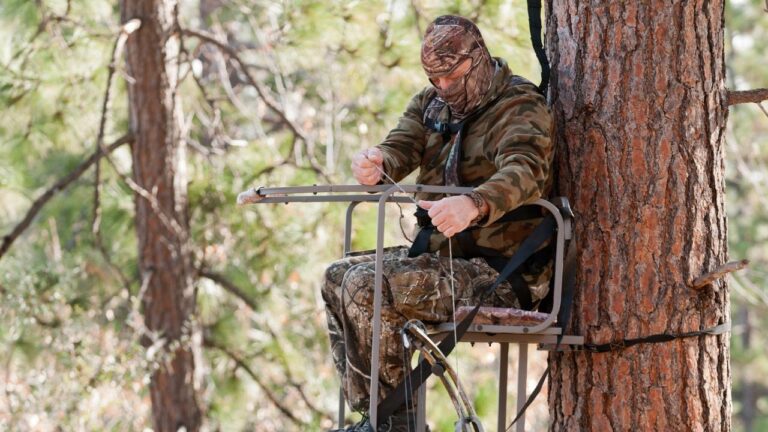
Why You Keep Seeing Deer but Never Get a Shot
Seeing deer but never getting a shot is one of the most frustrating things in the woods. You’re doing something right—you’ve found deer. But something’s breaking down before that opportunity ever shows up. Most of the time, it’s small mistakes stacking up.
Deer are wired for survival, and the smallest error is all it takes for them to pick you off. If you’re constantly watching tails bounce away or deer hang up out of range, odds are you’re running into one of these problems.
You’re Hunting the Wrong Wind

Doesn’t matter how good your spot looks—if the wind’s wrong, you’re wasting your time. Deer live and die by their noses. You might not see them bolt, but they already slipped out long before you ever noticed.
A lot of guys get lazy with wind. They think if the stand’s good enough, it’ll make up for it. It won’t. You’ve got to pick setups based on wind first, not convenience. Ignore it, and you’ll keep watching deer cruise by at 200 yards.
You Move Too Much at the Wrong Times

Movement kills more hunts than most people realize. Deer will tolerate a little noise, but that sudden head turn, gun raise, or boot shuffle will send them packing. They catch movement way faster than sound.
The trick is knowing when to move. If their head’s behind a tree or they’re feeding with heads down, you’ve got a window. Otherwise, lock it down. If you’re constantly shifting, reaching for gear, or scanning with big motions, you’re burning hunts.
Your Entry and Exit Are Blowing Up the Spot

A lot of guys forget the hunt starts way before you sit down. If deer know you came in, it’s game over. Stomping through bedding areas, crossing trails, or lighting up the woods with a headlamp sends a message loud and clear.
Your entry and exit routes matter. They’ve got to be quiet, scent-safe, and avoid places deer are likely to be. If you’re bumping deer
You’re Sitting in the Wrong Spot for the Time of Day

Deer move differently depending on the time of day. If you’re seeing them but never getting a shot, you might be sitting where they were—not where they are right now. Morning spots don’t always work in the evening and vice versa.
Mornings are often closer to bedding. Evenings lean toward food. If you’re parked in a staging area during the wrong window, you’ll watch them move—but always out of range or after legal shooting light.
You’re Not Reading Terrain Right

Deer use terrain to move safely. They follow edges, saddles, ridge lines, and ditches because it keeps them covered. If you’re sitting randomly in open timber or ignoring those travel corridors, you’re watching deer skirt your setup every time.
Learn how they use the land. A patch of brush between two fields, a creek crossing, or a pinch point where cover tightens up—that’s where you should be. Miss this, and you’re always twenty yards off the action.
You’re Too Loud Setting Up

Getting into position noisy is like announcing your arrival with a bullhorn. Metallic clicks, snapping branches, zippers, or banging gear will push deer back into cover fast. You won’t always see them leave—but they know you’re there.
Take your time setting up. Slow down. Use your hands, not your feet, to move brush. Tape over anything that rattles. The difference between killing a buck and watching him ghost through the woods often comes down to five seconds of noise you didn’t think mattered.
You’re Underestimating Pressure

Even if you’re hunting private land, pressure affects deer more than most people admit. If you’ve been in the same stand three days in a row or every weekend, deer pattern you. They shift their movement, hang back, or go nocturnal.
You’ll still see them at a distance, but they won’t commit. Rotate stands. Rest spots. Pay attention to when things went cold—it’s probably after deer figured out where you like to sit.
You’re Rushing the Shot

Sometimes you get so wired when a deer shows up that you move too fast, draw too soon, or rush the shot window. Next thing you know, the deer’s spooked, staring holes through you, or walking out of range.
Patience matters. Wait for the right angle. Wait for the head turn. The difference between getting busted and making the shot is often a few seconds of discipline. Jump the gun, and you’ll keep watching white flags bounce away.
You’re Ignoring Thermals

Wind isn’t the only thing carrying your scent. Thermals shift with temperature. Cold air sinks. Warm air rises. In the mornings, your scent’s falling into bottoms. In the afternoons, it’s drifting uphill. Ignore this, and you’ll bust deer without ever knowing why.
It’s subtle but deadly. You may think you’ve got a perfect wind, but if the thermal’s carrying your scent into bedding areas or across a trail, it’s over before it starts. Check thermals every time.
You’re Not Patient Enough

A lot of hunts fall apart because guys won’t wait. They give up too soon, shift positions too often, or start glassing for something else when the action slows. Meanwhile, the buck slips in ten minutes after you left or stood up.
Deer move on their schedule, not yours. If you’ve scouted right and the conditions are right, trust the process. Stay longer. Sit tighter. A lot of missed opportunities boil down to leaving 15 minutes too early.

Asher was raised in the woods and on the water, and it shows. He’s logged more hours behind a rifle and under a heavy pack than most men twice his age.