Wildlife officials warn as predator encounters increase near suburbs
If you live on the edge of town, you’ve probably noticed it already. More tracks in the snow. More trail cam photos that weren’t there five years ago. More neighborhood posts about a missing cat or a bold coyote walking down the sidewalk at noon.
Wildlife agencies across the country are reporting a steady rise in predator sightings near subdivisions. It’s not a mystery. Expanding neighborhoods, shrinking habitat, and easy food sources pull animals closer to people. The good news is that most encounters end without injury. The bad news is that complacency is growing. Here’s what officials are seeing — and what you need to understand if you share space with predators.
Coyotes Are Losing Their Fear of People
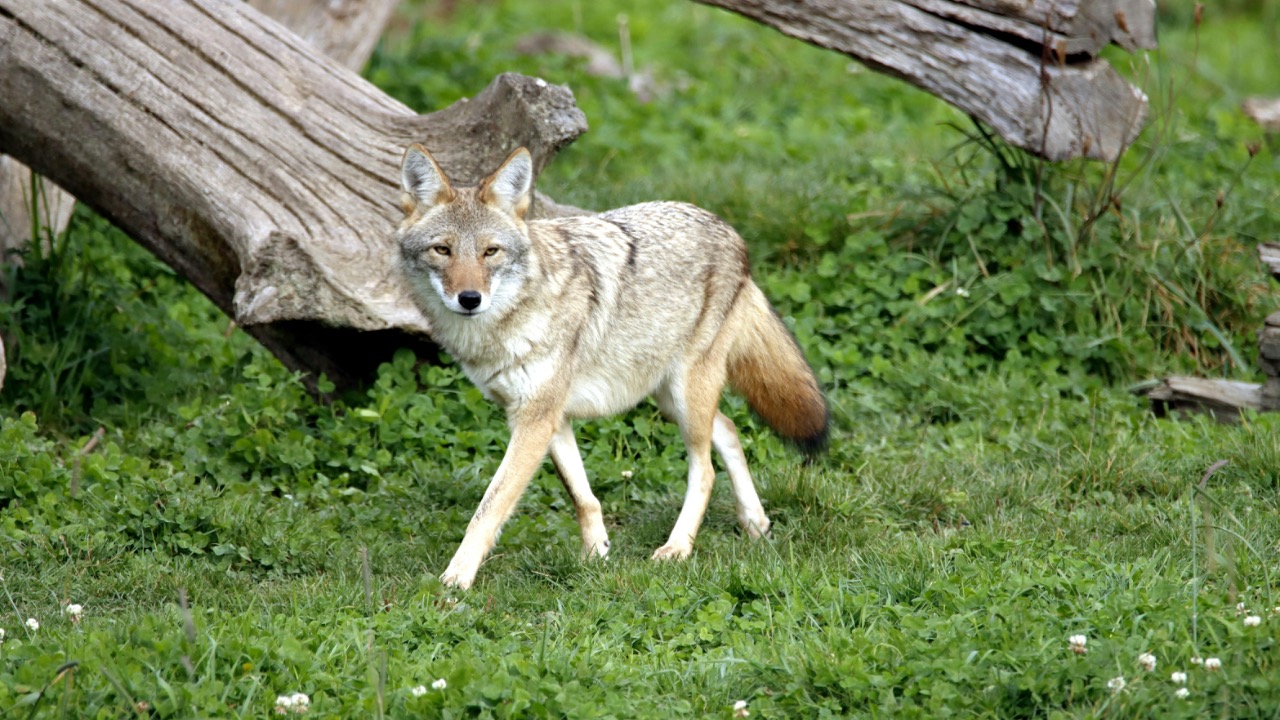
Coyotes are the most adaptable predator in North America. They’re thriving in suburbs because they’ve learned that humans often mean food — pet bowls left outside, unsecured trash, fallen fruit, even rodents drawn to bird feeders.
Wildlife officials warn that repeated exposure to easy meals changes behavior. When coyotes stop associating people with danger, they become bolder in daylight. You may see them trotting down sidewalks or cutting across school fields. While attacks on humans remain rare, small pets are vulnerable. If you live near greenbelts or drainage corridors, you’re in prime coyote territory whether you realize it or not.
Black Bears Follow the Garbage Trail
In many states, black bears are expanding their range into suburban edges. A bear that finds unsecured trash once will come back. If it finds it twice, it’ll pattern your pickup schedule better than you do.
Officials consistently point to garbage as the number one attractant. Bird feeders, grills, and even open garage freezers add to the problem. You may think a single visit is harmless, but food-conditioned bears become persistent. Once a bear loses its natural caution, relocation rarely works. In many cases, wildlife agencies have no option but to euthanize animals that repeatedly enter neighborhoods. Prevention starts with you.
Mountain Lions Are Using Green Corridors
Mountain lions don’t need much. A deer trail, a dry creek bed, or a stretch of undeveloped land between subdivisions is enough to move them through suburban landscapes. You may never see one, but they may see you.
Officials note that deer populations near suburbs create a reliable food base. That pulls lions closer to housing developments. Most encounters involve brief sightings at dawn or dusk. Attacks are extremely rare, but officials stress awareness. If you jog or hike along wooded trails near subdivisions, you should avoid wearing headphones and keep children close. Lions prefer ambush and avoidance, not confrontation.
Foxes Are Denning Under Decks
Red and gray foxes are increasingly denning under sheds, decks, and crawl spaces. Suburbs offer rodents, rabbits, and protection from larger predators.
Wildlife officers often respond to calls about “aggressive” foxes that are actually defending a den site during pup season. Most foxes avoid people, but cornering one — especially near young — can escalate behavior. If you find a den on your property, officials typically recommend giving the animals space until pups disperse. Removing easy food sources and sealing access points after they leave is the long-term fix.
Bobcats Are Quiet but Present
Bobcats rarely make headlines, but sightings near suburbs are becoming more common in parts of the country. They’re drawn by small prey and thick cover around retention ponds and wooded lots.
Unlike coyotes, bobcats tend to remain elusive. You might only notice them through trail cameras or brief dawn sightings. Attacks on pets can occur, especially with small animals left outside overnight. Officials advise keeping pets indoors after dark and supervising them in early morning hours. Bobcats aren’t looking for conflict. They’re responding to opportunity and habitat overlap.
Food Conditioning Is the Real Problem
Across species, wildlife agencies emphasize one consistent theme: food conditioning drives conflict. When predators associate homes with easy calories, encounters increase.
You may think tossing scraps into the woods helps wildlife. In reality, it encourages animals to approach houses more frequently. Once behavior changes, it’s hard to reverse. Officials stress secure trash cans, removing fallen fruit, feeding pets indoors, and cleaning grills thoroughly. Most predators don’t want trouble. But if your property consistently offers food, you’ve changed the equation.
Habitat Fragmentation Pushes Predators Closer
Suburban expansion carves habitat into smaller pieces. As developments push outward, predators adapt by using the remaining corridors between neighborhoods.
Wildlife managers explain that animals don’t recognize property lines. What looks like a backyard to you may be part of a larger movement route. Stormwater channels, golf courses, and utility easements all serve as travel paths. As natural ranges shrink, overlap increases. Encounters aren’t always about population explosions. Often, it’s about proximity.
Pet Safety Is Becoming a Priority
Officials say many calls begin with missing pets. Small dogs and outdoor cats are particularly vulnerable to coyotes, bobcats, and even large owls in some regions.
You might assume a fenced yard offers protection, but predators can jump, dig, or climb. Supervising pets outside, especially at dawn and dusk, significantly reduces risk. Avoid leaving pet food outdoors overnight. Motion lighting and removing dense brush along fence lines also help. Predators look for the easiest opportunity. Changing your routine can make your yard less appealing.
Human Behavior Determines the Outcome
Most predator encounters near suburbs end without injury. The difference often comes down to how people respond. Running from a mountain lion, approaching a bear for photos, or allowing children to wander wooded edges alone increases risk.
Officials recommend staying alert, making noise when visibility is limited, and teaching kids how to react — stand tall, maintain eye contact, and back away slowly in the rare event of a close encounter. Predators are part of the landscape in many suburban areas now. Coexistence depends on understanding behavior and eliminating attractants.
If you live near open space, you don’t live apart from wildlife anymore. You live among it.

Asher was raised in the woods and on the water, and it shows. He’s logged more hours behind a rifle and under a heavy pack than most men twice his age.