Wildlife team stunned after confirming elusive species not seen locally in decades
When a remote camera in the high country near Lake Tahoe captured a small russet figure trotting through the snow, the image carried far more weight than a typical wildlife snapshot. For the team that set the device, it confirmed that a species not seen locally in decades is still hanging on in the mountains where it once quietly ruled the tree line. The surprise detection has quickly become a touchstone for how fragile, and how resilient, rare carnivores can be when given even a narrow margin to survive.
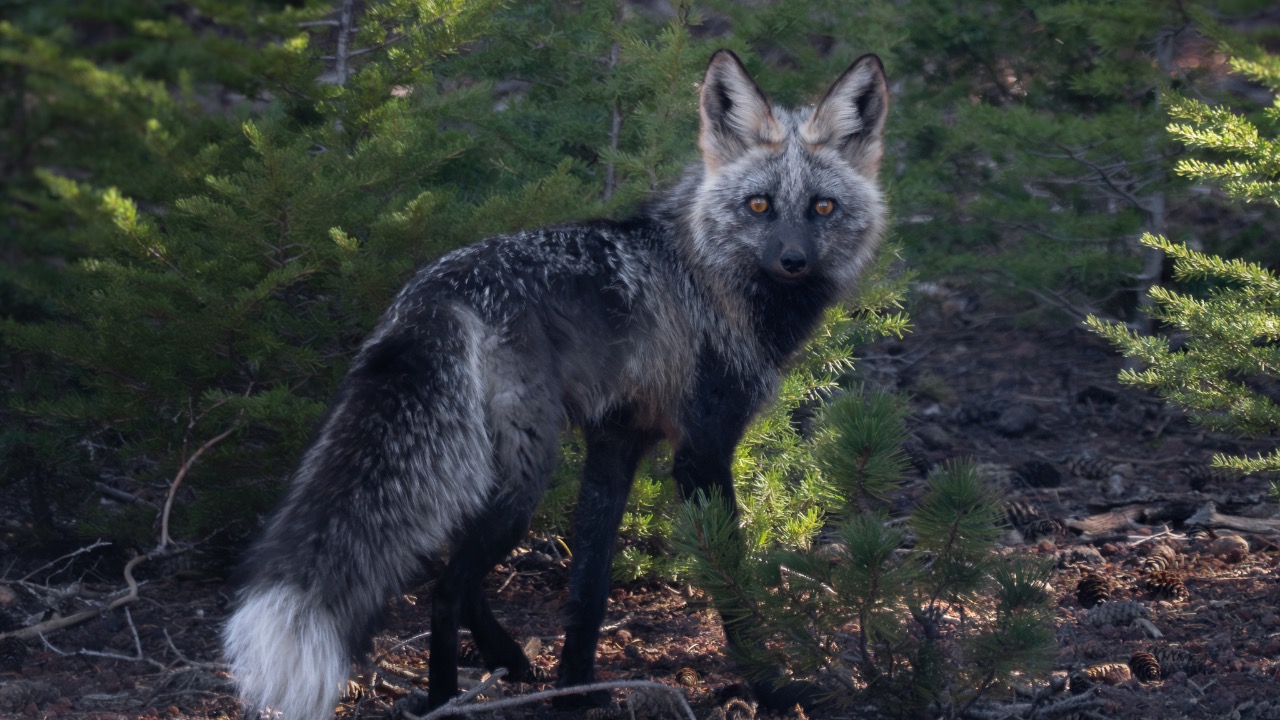
The find centers on the Sierra Nevada red fox, an animal so scarce that some biologists had resigned themselves to never seeing it in this part of California again. Instead, the photograph and follow-up analysis have given scientists a rare window into an animal that has spent years evading both people and extinction, jolting conservation planners into rethinking what recovery could look like in one of the West’s most heavily visited mountain regions.
The moment the camera blinked to life
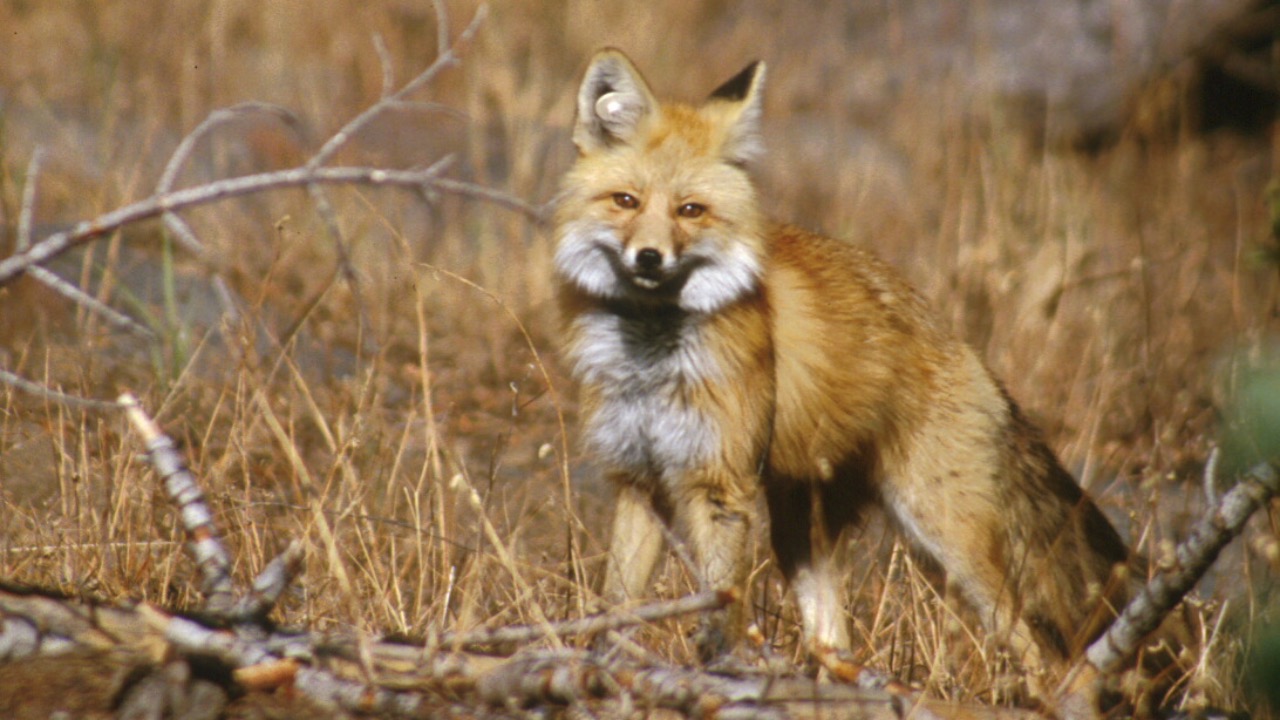
The breakthrough came in the form of a grainy trail camera clip from Blackwood Canyon on the western shore of Lake Tahoe, where a small canine with a thick tail and narrow muzzle slipped across the frame in deep snow. California wildlife staff later confirmed that the animal matched the distinctive profile of the Sierra Nevada red fox, a high-elevation subspecies adapted to the cold forests around Blackwood Canyon and the surrounding Lake Tahoe basin. For a team that had spent years sifting through empty frames and more common wildlife, the sudden appearance of a fox that had effectively vanished from local records felt like a small scientific earthquake.
According to a detailed account of the survey, Wildlife officials had been running cameras in the area to learn whether the species still used the Tahoe side of the range. When the footage came in, the field team that reviewed it described the reaction in simple terms: Everyone on the team was thrilled, not only because the fox was there, but because it meant years of patient monitoring had finally paid off with proof that the local population is not yet gone.
Why the Sierra Nevada red fox is so rare
The Sierra Nevada red fox is not just another regional variant of a common species. Genetic work and field observations show that this high-country carnivore is distinct from lowland red foxes, with a compact body, dense fur, and behavior tuned to life in deep snow and thin air. Conservation databases describe the Sierra Nevada red as one of the rarest carnivores in North America, with only small pockets confirmed in isolated mountain zones. That scarcity has made every verified sighting a major event for biologists who track the subspecies’ slide toward, and hopefully away from, the brink.
Earlier this year, a short video shared from California described In January as a breakthrough moment for an exceedingly rare carnivore that lives in California’s most remote mountains, language that matches how researchers talk about the Sierra Nevada red fox and its tiny remaining range. Scientific summaries of the animal’s status emphasize that only a handful of individuals have been documented in recent decades, often at great effort, which is why each new data point carries outsized weight for decisions about habitat protection and recovery planning.
From ghost to data point: how the team confirmed the find
Once the camera captured the fox, the next challenge for the field crew was to confirm that the animal was indeed the elusive high-elevation subspecies, not a more common lowland relative. Specialists scrutinized the footage frame by frame, focusing on the fox’s proportions, tail shape, and the way its coat contrasted against the snow. They cross-checked those traits against reference images and descriptions compiled in scientific profiles of the Sierra Nevada population, which highlight subtle differences from nonnative red foxes that sometimes roam lower valleys.
The verification process mirrored the care seen in other recent wildlife rediscoveries, where researchers lean heavily on remote cameras, statistical habitat models, and sometimes genetic sampling to prove that a species persists. In the Pacific Northwest, for example, data from trail cameras and habitat analysis recently revealed that coastal martens are most commonly found on forested ridgetops that receive consistent snow, often inside ravines and other sheltered terrain, patterns documented through trail cameras and careful fieldwork. The Tahoe fox confirmation fits that broader shift toward relying on technology and slow, methodical analysis to turn fleeting glimpses into defensible records.
What one fox means for a whole mountain range
For conservation planners, the image of a single Sierra Nevada red fox in Lake Tahoe is less a feel-good anecdote and more a data point that can reshape management maps. A confirmed presence in Blackwood Canyon suggests that at least some individuals are using habitat much closer to busy recreation corridors than previously documented, which raises new questions about how winter sports, road traffic, and development might affect their survival. Agencies now face pressure to fold this new information into forest plans, recreation zoning, and climate adaptation strategies that account for a high-elevation carnivore that clearly still moves through the region’s fragmented snow belts.
The Tahoe sighting also lands in the middle of a wave of rediscoveries and recoveries that have captured public attention. In Southeast Asia, a video clip of a Critically Endangered Javan on a trail cam highlighted how remote cameras can reveal family groups of animals that once seemed on the edge of disappearance. In North America, Experts have confirmed a stunning recovery of unique creatures in US wilderness, describing them as among the most adorable animals and pointing to how targeted protections can reverse long-term declines. The Sierra Nevada red fox now sits at a similar crossroads, with a single camera clip hinting at either the last sparks of a fading population or the first signs of a cautious rebound.
A global pattern of elusive survivors
The Tahoe fox story resonates partly because it fits a broader pattern of animals that seemed to slip out of reach, only to reappear in unexpected ways. Earlier this year, a remote seabed camera captured a sleeper shark in Antarctic waters for the first time, a find that drew on research showing that Sleeper sharks live extraordinarily long lives and can thrive near Earth’s poles, where scientists had long suspected a hidden population. Another Instagram clip announced, in all caps, that a JUST Shark EVER in Antarctica had been spotted, underscoring how camera technology can turn deep-sea mysteries into concrete evidence.
On land, similar dynamics play out from tropical forests to Texas brush country. A detailed feature on a nearly vanished carnivore described how Gabrielle Rockson reported on animals once thought extinct that reappeared on remote cameras after being heavily hunted for their skin, while a regional piece on jaguarundis asked bluntly, Priscilla Aguirre, Weekend, whether the species is still in Texas at all. In each case, the pattern is similar: years of uncertainty, a handful of disputed sightings, then a clear image that forces scientists and policymakers to revisit assumptions about where rare animals persist and what they need to survive.

Leo’s been tracking game and tuning gear since he could stand upright. He’s sharp, driven, and knows how to keep things running when conditions turn.