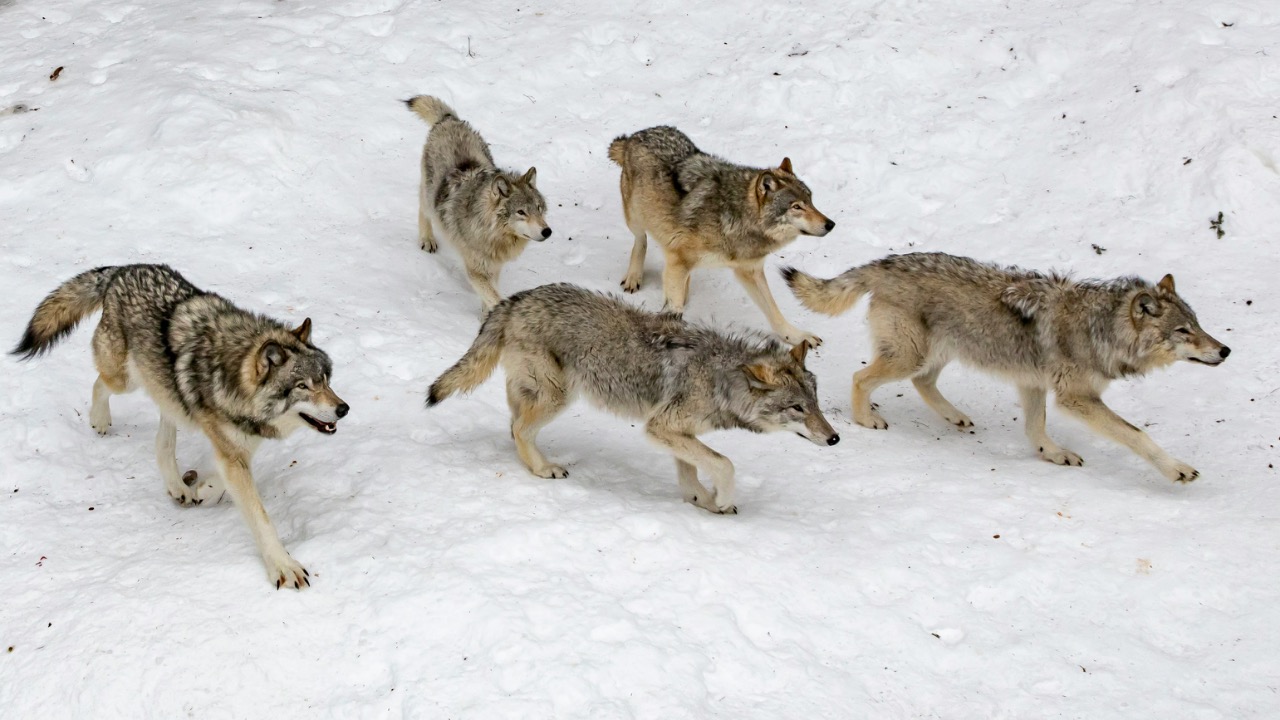
Wolves Pose Highest Risk to Deer Hunting in 15 States, New Analysis Finds
You’ve probably heard the talk around camp or at the gas station—wolves are back, and they’re changing the way deer hunting feels in certain parts of the country. A new wave of analysis is putting numbers to what a lot of hunters have been seeing firsthand. In at least 15 states, wolves are being tied to measurable pressure on deer populations, especially in regions where winters are already tough and habitat is stretched.
This isn’t a one-size-fits-all problem. In some places, the impact is clear. In others, it’s more complicated. But if you hunt in wolf country, you’re already adjusting whether you realize it or not.
Northern Forests Are Taking the Hardest Hit
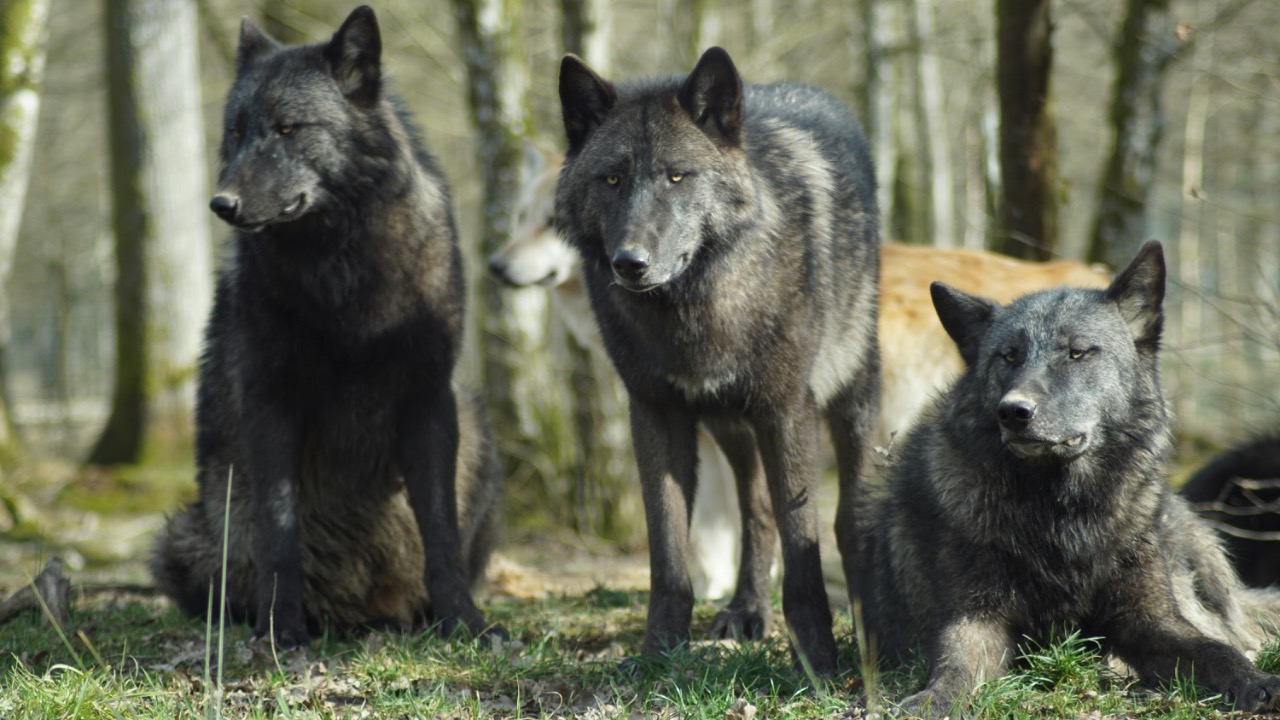
If you hunt the big woods in places like Minnesota, Wisconsin, or Michigan, you’re right in the middle of it. These are strongholds for gray wolves, and they overlap with traditional deer range.
Harsh winters already push deer to the edge in these regions. Add steady predation, and you start to see localized declines. It doesn’t wipe deer out, but it changes age structure and survival rates. You’re hunting fewer mature deer in some areas, and recruitment can lag when conditions stack up against fawns.
Western States Are Seeing Expanding Wolf Ranges
Out West, wolves have been spreading into new ground over the past couple decades. States like Idaho, Montana, and Wyoming have established populations, but the range keeps pushing outward.
As wolves move, they don’t just affect elk—they hit deer as well. Mule deer herds in certain areas are already dealing with habitat loss and drought. Predation adds another layer. You might not see a drastic drop everywhere, but in pockets, it’s enough to change how often you’re seeing deer and how they use the landscape.
Fawn Survival Is Where the Pressure Shows First
You don’t always notice the impact right away during hunting season. The real effect often shows up months earlier, when fawns are on the ground.
Wolves key in on vulnerable animals, and fawns are easy targets in late spring and early summer. When survival rates dip, it doesn’t show up until later seasons when fewer yearlings enter the population. Over time, that creates a thinner herd. You might still see does, but the pipeline behind them isn’t as strong as it used to be.
Deer Behavior Changes in Wolf Country
If you’ve hunted areas with wolves long enough, you’ve likely noticed deer acting differently. They move less predictably and spend more time in thicker cover.
That affects how you hunt. Daylight movement can drop, and patterns get harder to pin down. Deer avoid open travel routes and shift bedding areas more often. It’s not that they disappear—it’s that they get harder to hunt. You’re forced to adapt, covering more ground or focusing on tighter pockets where deer feel secure.
Winter Severity and Wolves Create a Tough Combination
In northern regions, winter is already the biggest factor in deer survival. Deep snow limits movement and access to food. When wolves are active in those conditions, deer are at a disadvantage.
Wolves travel efficiently on crusted snow and can run deer down more easily. That combination can lead to higher mortality during harsh winters. It’s not every year, but when it lines up, it hits hard. Recovery can take multiple seasons, especially if back-to-back winters are rough.
Management Strategies Vary State by State
There’s no single approach to managing wolves, and that’s part of the challenge. Each state handles populations differently depending on laws, federal oversight, and public pressure.
Some states allow regulated hunting or trapping seasons to manage numbers. Others have stricter protections in place. That patchwork creates uneven outcomes. In one area, wolf numbers might stabilize. In another, they continue to grow. As a hunter, what you experience depends heavily on where you are and how those policies play out on the ground.
Habitat Still Plays a Bigger Role Than Most Want to Admit
It’s easy to point at wolves as the main issue, but habitat conditions still drive deer numbers more than anything else. Poor winter range, limited food sources, and human development all factor in.
Where habitat is strong, deer can better withstand predation. Where it’s weak, wolves amplify existing problems. If you’re looking at long-term trends, you have to consider both. Ignoring habitat oversimplifies the issue and doesn’t lead to real solutions.
Not Every Area Sees the Same Impact
You’ll hear strong opinions on both sides, and a lot of that comes down to local experience. In some areas, hunters report noticeable declines tied to wolves. In others, deer numbers remain steady.
That variation matters. Broad studies can point to trends across multiple states, but conditions on the ground differ. Terrain, weather, hunting pressure, and habitat all shape outcomes. You can’t apply one narrative everywhere, and that’s why the conversation stays heated.
If you hunt in wolf country, you’re already adjusting—even if it’s subtle. Fewer sightings, tougher patterns, more time in the field. Wolves are part of the landscape now in those 15 states, and they’re not going anywhere. The hunters who stay successful are the ones who read those changes and adapt without waiting for things to go back to how they were.

Asher was raised in the woods and on the water, and it shows. He’s logged more hours behind a rifle and under a heavy pack than most men twice his age.