10 firearm mistakes new owners make
Buying your first gun should make you feel more prepared, not more nervous. The problem is that new owners repeat the same avoidable mistakes, and those slipups can turn a useful tool into a real liability. I have watched a lot of people come through their first range sessions, and the patterns are painfully clear. Here are 10 firearm mistakes new owners make, and how to avoid them from day one.
1. Skipping a formal safety course
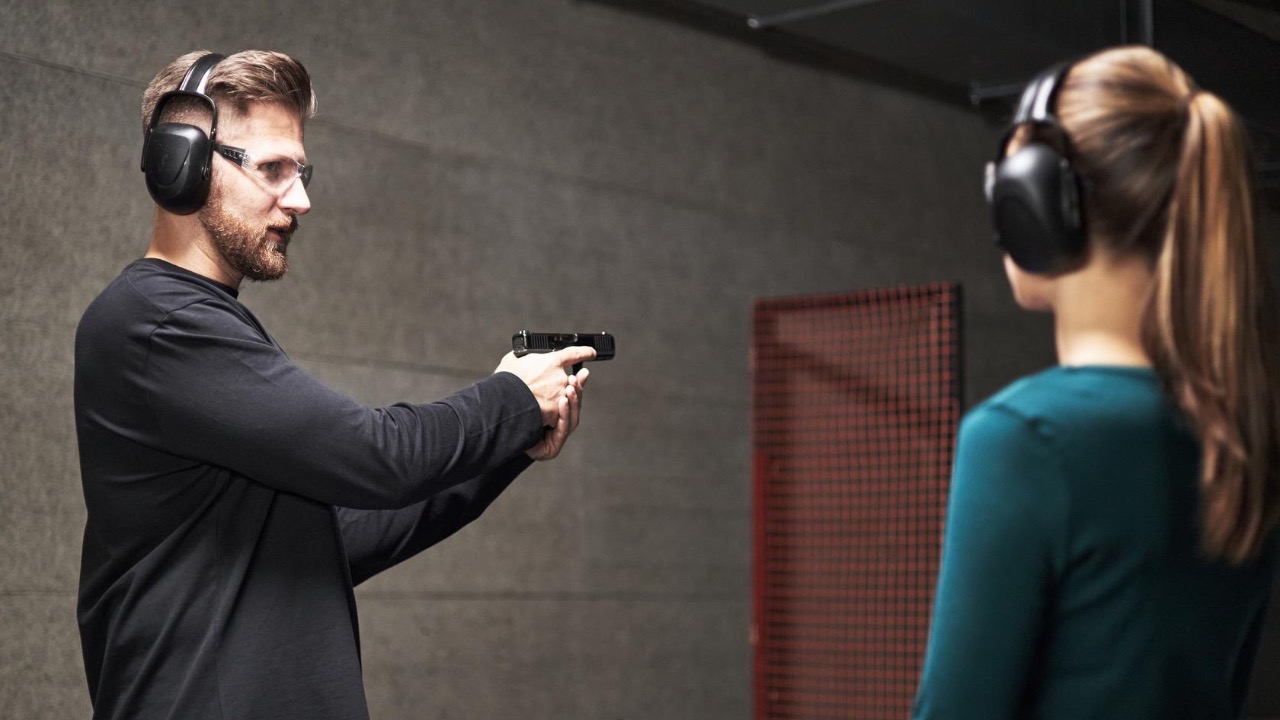
Skipping a formal safety course is the fastest way for a new gun owner to get in trouble. Training outfits that list “Neglecting Firearm Safety Training” as a top mistake are not being dramatic, they are describing the root cause of most early accidents. Treat your first class like the onboarding session for any complex tool, the same way a campus warns students about setup mistakes during a tech-in period.
In a good class, you learn the core rules, how to clear malfunctions, and how to handle a gun around other people without making anyone flinch. That structure matters more than YouTube clips or a buddy’s quick demo in the backyard. The stakes are simple: if you do not understand how your firearm works under stress, you are more likely to fumble when it counts, and that is when negligent discharges and bad decisions happen.
2. Storing the firearm unsafely at home
Improper storage at home is another early mistake that shows up on lists of “Improper Storage” problems for new owners. People bring a pistol home, stick it in a nightstand or closet, and assume that is good enough. It is not. A gun that is accessible to you is also accessible to kids, guests, or a burglar who now has your weapon. A small lockbox or cable lock is cheaper than a tank of gas and solves most of that risk.
Safe storage is not only about theft or curious hands, it is about controlling who can get to the gun when you are not right there. If you carry, you need a plan for where the firearm goes the second it comes off your belt. When new owners treat storage as an afterthought, they increase the odds that their first “real” incident with a gun is a tragedy in their own house instead of a defensive success.
3. Ignoring the user manual completely
Ignoring the user manual is the gun-world version of refusing to read directions on a power tool. Every manufacturer explains how to load, unload, field strip, and maintain that specific model, yet many new owners toss the booklet aside. That is how people end up forcing parts, misreading safety levers, or assuming a gun is on “safe” when it does not even have a manual safety. The manual is boring, but it is also the only place that spells out the design in plain language.
When you skip that step, you are guessing about things like which way the recoil spring goes or how to adjust sights. Guessing with firearms is a bad habit to build. Taking 20 minutes to read and then walk through the steps with an unloaded gun gives you a baseline of competence. It also means that when an instructor or range officer gives you advice, you already speak the same mechanical language they are using.
4. Neglecting regular cleaning after purchase
Neglecting regular cleaning after purchase is a quieter mistake, but it shows up quickly in reliability problems. Many new guns ship with heavy packing grease, and if you never strip that out, you are asking for sluggish cycling and feeding issues. Training guides that talk about “top 10 common mistakes in firearm handling” routinely flag poor maintenance as a preventable cause of malfunctions, right alongside bad grip or stance, because dirt and dried lube do not care how good your fundamentals are.
A basic cleaning kit and a short routine after each range trip are enough for most owners. Run a bore brush, wipe carbon off the bolt or slide, and apply a light film of oil where the manual recommends. When you treat cleaning as part of shooting, not an optional chore, you catch worn parts early and keep the gun running when you actually need it. Reliability is not a luxury feature, it is the whole point of owning the firearm.
5. Pointing the muzzle in unsafe directions
Pointing the muzzle in unsafe directions is the mistake that makes everyone around you tense up. Safety instructors who list “Neglecting Firearms Safety Rules” as a “Common Gun Mistake” are usually talking first about muzzle control. New owners tend to swing the gun with their eyes, forgetting that the barrel is projecting a straight line of risk wherever it points. At a range, that means sweeping people on the line. At home, it means covering family members while you are “checking out” your new purchase.
The fix is simple but takes discipline. Decide that the muzzle never crosses anything you are not willing to destroy, loaded or not. That mindset turns into habits like keeping the gun pointed downrange, angling it toward the floor when you turn, and being conscious of what is behind your target. The implication is huge: even if every other safety layer fails, good muzzle control keeps an accident from turning into a fatality.
6. Keeping a finger on the trigger prematurely
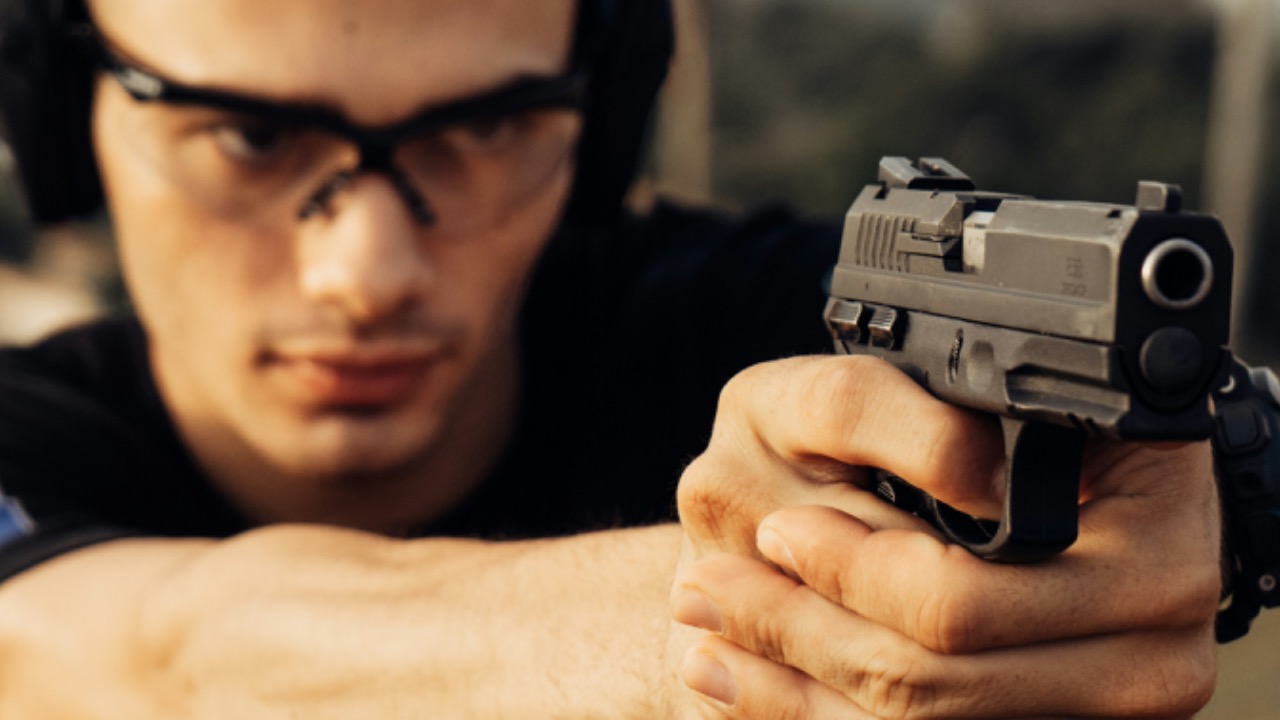
Keeping a finger on the trigger before you are ready to shoot is another classic beginner error. Instructors who warn about “Not Practicing Proper Trigger Control” as a “Common Gun Mistake” are not nitpicking, they are trying to stop unintentional shots. New owners often wrap their finger inside the guard the moment they pick up the gun, especially when they are excited or nervous. Under stress, that light contact can turn into a full press without any conscious decision.
Good trigger discipline means your finger rides high on the frame until your sights are on target and you have made the choice to fire. That habit needs to be drilled during dry fire and live fire so it holds under adrenaline. The stakes are obvious: if your finger is not on the trigger, the gun cannot fire, even if you trip, get bumped, or are startled. That single rule has probably prevented more tragedies than any gadget or safety device ever made.
7. Not verifying the firearm is unloaded
Not verifying that a firearm is unloaded before handling is how people end up saying “I thought it was empty” to a police officer. Safety checklists that talk about “Neglecting Firearms Safety Rules” always include a step to visually and physically inspect the chamber and magazine well. New owners sometimes rack the slide once, assume that cleared everything, and move on. That is not a check, that is a gesture, and it is not enough.
The correct habit is to lock the action open, look into the chamber, and then feel it with a finger if lighting is poor. Do the same with the magazine well. Make that your default before cleaning, dry fire, or handing the gun to someone else. When you normalize that routine, you cut off a whole category of negligent discharges. It also signals to anyone watching that you take safety seriously, which matters when you are the new person on the range.
8. Buying without considering fit and purpose
Buying a gun without considering fit and purpose is a mistake that shows up every time a new owner struggles to control recoil or reach the controls. Lists of “The Top 5 Mistakes New Gun Owners Make: And How to Avoid Them” put choosing the wrong firearm right next to “Neglecting Firearm Safety Training” and “Improper Storage” because a poor fit makes everything else harder. A compact 9mm that disappears on someone else’s belt might be miserable for your hands or eyesight.
Before you buy, think about what you need the gun to do and how your body matches that role. A home-defense shotgun, a concealed-carry pistol, and a .22 trainer all solve different problems. Whenever possible, rent or borrow models at a range and pay attention to grip size, trigger reach, and how quickly you can get accurate hits. A gun that fits you encourages practice, and practice is what turns a new owner into a competent, safe shooter.
9. Avoiding professional range instruction
Avoiding professional range instruction keeps a lot of new owners stuck at a low skill level. Guides that talk about “Common Mistakes Made by New Gun Owners (And How to …)” point out that “One of the” biggest errors is assuming that simply owning a firearm is enough. “Simply” buying a gun does not teach you how to manage recoil, clear malfunctions, or shoot under time pressure. Without coaching, people tend to engrain bad habits like flinching or poor grip.
Working with a qualified instructor, even for a single session, gives you immediate feedback on stance, sight picture, and trigger press. It also lets you pressure-test your safety habits around other shooters. The broader impact is that trained owners are less likely to have accidents and more likely to make good decisions if they ever have to use the gun defensively. In a community sense, that kind of competence is what keeps ranges open and gun ownership defensible in public debates.
10. Overlooking local legal registration steps
Overlooking local legal registration or paperwork steps is a quieter mistake, but it can cost you your rights. Just as universities warn students about missing key forms during a tech-in period, firearm instructors warn new owners not to skip the legal “onboarding” that comes with a gun purchase. Some training lists that cover mistakes new gun owners make include failing to understand local rules right alongside safety and storage errors.
Depending on where you live, there may be permits, registration cards, or transport restrictions that apply the moment you bring the gun home. Ignoring those details can turn a routine traffic stop into a criminal charge. I always tell new owners to read their state statutes, ask questions at the gun counter, and, if needed, talk to a local attorney who understands firearms law. Knowing the rules protects you, your investment, and the broader gun community that depends on responsible, law-abiding ownership.

Asher was raised in the woods and on the water, and it shows. He’s logged more hours behind a rifle and under a heavy pack than most men twice his age.