10 hard lessons from military after-action reports
If you spend enough time reading after-action reports, you start to see patterns. They’re not written for drama. They’re written so the next unit doesn’t repeat the same mistake. Strip away the acronyms and red tape, and what you’re left with are blunt truths about leadership, gear, training, and human behavior under stress.
You don’t have to wear a uniform to learn from them. Whether you’re hunting elk in rough country or running a small team at work, these lessons carry weight. They’re paid for in frustration, failure, and sometimes blood. The smart move is to listen before you’re forced to learn them the hard way.
Complacency Creeps in After Success
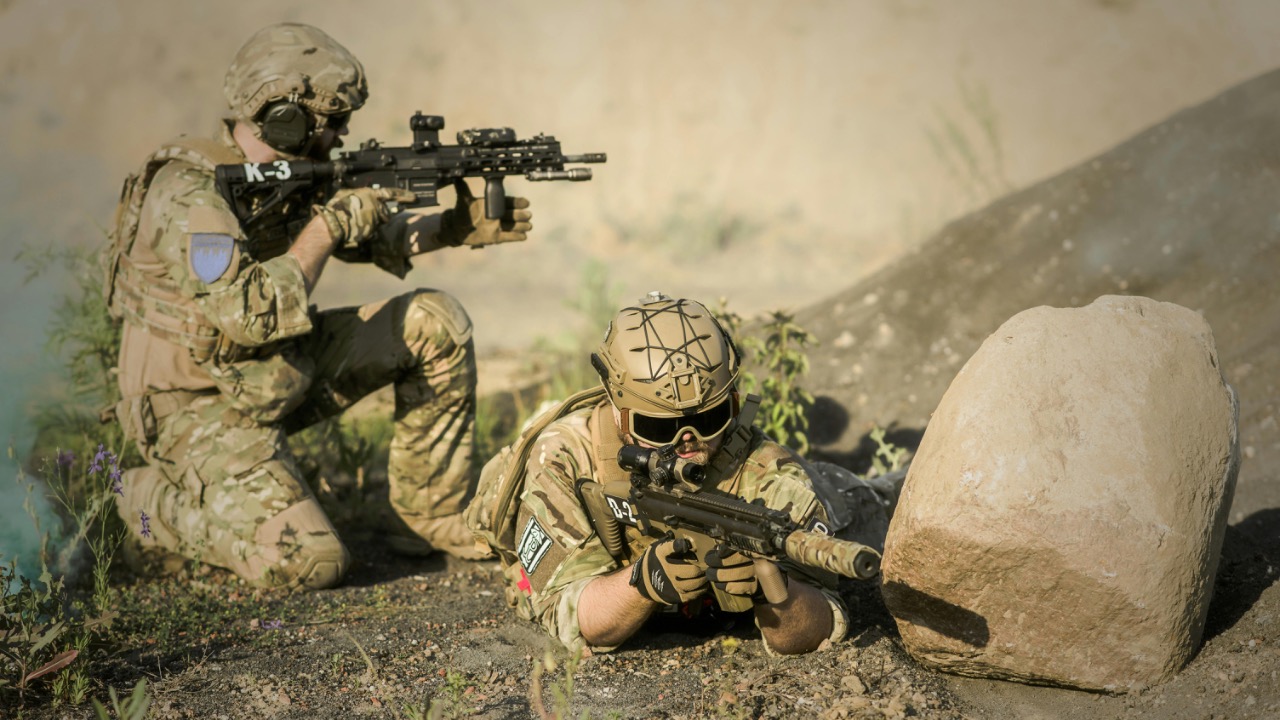
After-action reports often show that units let their guard down after a string of uneventful patrols or easy wins. Nothing dramatic changes. The threat hasn’t disappeared. But routines get relaxed. Security halts get shorter. Gear checks get rushed.
You see it over and over. The moment people start believing they’ve figured the environment out is when they get surprised. Success builds confidence, but it also lowers vigilance. The report usually reads the same way: “No significant enemy contact in previous operations.” Then comes the ambush. If you assume today will look like yesterday, you’re already behind.
Communication Breaks First Under Stress
Radio plans look airtight on paper. In reality, batteries die, call signs get confused, and overlapping chatter clogs the net. After-action reports routinely highlight missed information because someone didn’t hear, didn’t understand, or didn’t confirm.
Under stress, you don’t rise to the level of your expectations. You fall to the level of your rehearsals. Units that didn’t practice concise reporting struggled when rounds started flying. Simple things—grid coordinates, casualty numbers, directions of movement—got muddled. When communication fails, small problems compound fast. Clear, rehearsed communication saves time, and time saves lives.
Equipment Fails at the Worst Time
You’ll read about optics losing zero after rough movement, vehicle tires shredding on terrain planners underestimated, or weapons malfunctioning due to neglected maintenance. The common thread isn’t that the gear was cheap. It’s that it wasn’t prepared for real conditions.
After-action reports often point out overlooked inspections or assumptions that equipment would hold up because it had before. Sand, mud, heat, and cold expose weaknesses quickly. If you don’t test your gear hard before you rely on it, the field will test it for you. And it won’t be forgiving.
Overconfidence in Technology Creates Blind Spots
Modern forces rely heavily on drones, thermal optics, and digital mapping. Reports repeatedly show what happens when units lean too hard on screens and forget the basics of observation and movement.
There are cases where operators fixated on drone feeds and missed threats outside the camera’s field of view. GPS errors led to navigation mistakes because nobody cross-checked with terrain features. Technology adds capability, but it doesn’t replace awareness. When batteries die or signals drop, the fundamentals are all you’ve got.
Terrain Always Has the Final Say
After-action summaries frequently describe underestimating terrain. Urban alleys create dead space. Mountain valleys amplify sound and distort direction. Desert heat drains energy faster than expected.
Maps don’t show loose rock, knee-high mud, or the way a ridgeline hides movement until it’s too late. Units that failed to physically recon key terrain often paid for it. You can brief a hill on a whiteboard all day. Until you climb it under load, you don’t understand what it costs in time and stamina.
Fatigue Makes Smart People Make Bad Decisions
Sleep deprivation shows up in report after report. Leaders misread intelligence. Drivers take unsafe routes. Soldiers forget steps they’ve rehearsed for years.
Fatigue narrows your focus and slows your thinking. It also makes you irritable, which hurts teamwork. Many after-action reviews quietly note that critical errors happened late in long operations. You don’t notice your judgment slipping in the moment. That’s what makes it dangerous.
Small Leadership Gaps Become Big Problems
Rarely do after-action reports blame catastrophic failure on one dramatic mistake. More often, they trace it back to small lapses in supervision. A squad leader didn’t verify positions. A convoy commander assumed everyone understood the plan.
Leadership gaps create confusion, and confusion spreads. When roles aren’t clear or standards aren’t enforced, discipline erodes. In high-pressure situations, you don’t have time to debate who’s responsible. Clear authority and accountability prevent small cracks from turning into structural failure.
Logistics Wins or Loses Fights Quietly
Ammo resupply delays, fuel shortages, medical evacuation timing—these details fill pages in after-action documents. They don’t make headlines, but they shape outcomes.
Units that planned conservatively for water, food, and ammunition had options. Those that didn’t found themselves restricted in movement or firepower. Logistics sounds boring until you’re low on what you need. Every report reinforces the same point: the side that manages sustainment better usually controls the tempo.
Training Gaps Show Up Under Fire
You can trace many shortcomings back to incomplete or unrealistic training. After-action reports often identify skills that were assumed to be solid but weren’t stress-tested enough.
Marksmanship on a flat range doesn’t equal accuracy behind cover. First-aid drills in daylight don’t replicate chaos at night. Units that rehearsed realistically adapted faster. Those that didn’t struggled to apply classroom knowledge in the real world. Training needs friction, unpredictability, and repetition if it’s going to hold up.
The Enemy Adapts Faster Than You Expect
One constant across decades of reports is how quickly adversaries adjust. Change a patrol route, and they study it. Introduce new equipment, and they look for counters.
After-action reviews often describe patterns that were exploited because they became predictable. The lesson is clear: if you don’t evolve, someone else will. Tactics that worked last month may fail next week. Staying unpredictable isn’t optional. It’s survival.
When you step back and read enough of these reports, the pattern is clear. The problems aren’t exotic. They’re human. Complacency, fatigue, poor communication, and unchecked assumptions cause more damage than flashy failures. You can ignore those lessons, or you can apply them now—before you’re the one writing the report.

Asher was raised in the woods and on the water, and it shows. He’s logged more hours behind a rifle and under a heavy pack than most men twice his age.