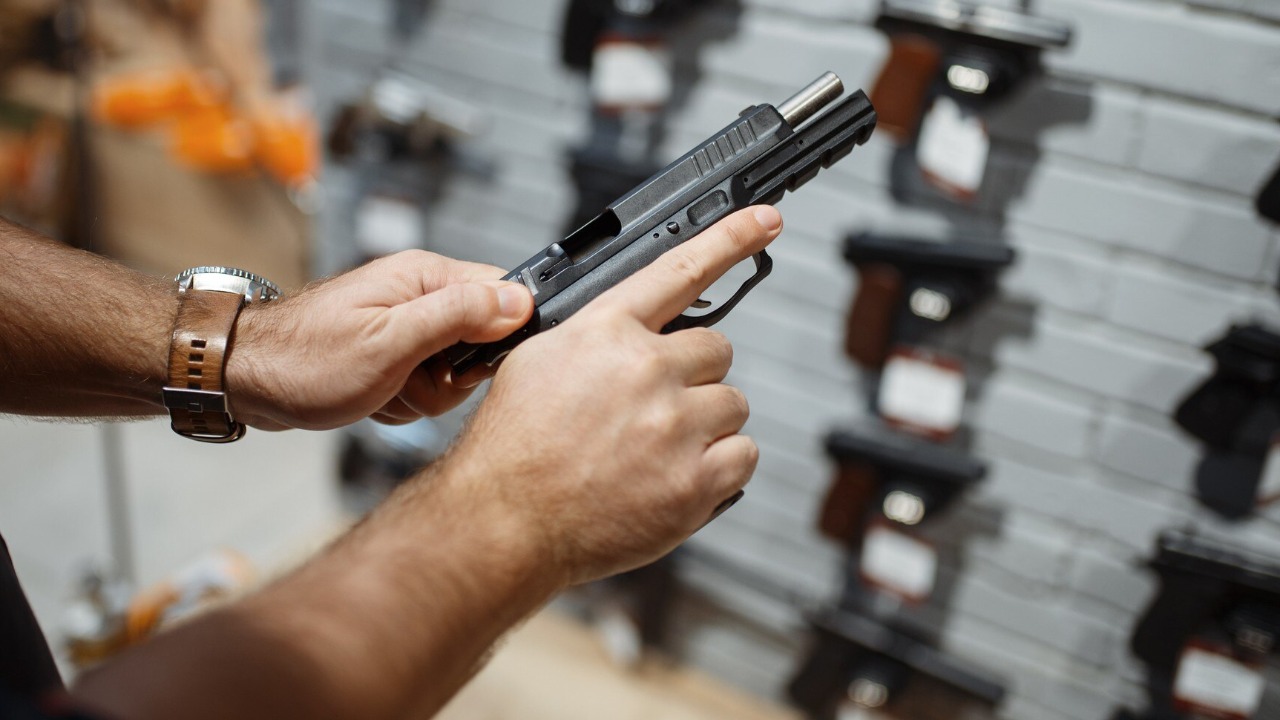
10 reasons more Americans are reconsidering gun ownership
As gun violence and political tensions intensify, more Americans are reconsidering what it means to own a firearm and whether long-standing habits still make sense. From small towns shaped by hunting traditions to parents confronting new data on child deaths, the debate is shifting from abstract rights to concrete risks. I see a growing pattern of people reassessing not only their weapons, but also their responsibilities to neighbors, schools, and the country itself.
1. Deep-Rooted Cultural Norms Prompting Reflection
Deep-rooted cultural norms prompting reflection are especially visible in Uvalde, where gun ownership is ingrained in Uvalde’s culture and woven into daily life. Residents grow up around rifles used for hunting, family heirloom handguns, and a strong belief that firearms symbolize self-reliance. That familiarity once made serious regulation feel unnecessary or even like an attack on local identity. After the school shooting, however, the same traditions that once felt protective now raise unsettling questions about how easily weapons circulate.
As I look at Uvalde, I see a community wrestling with whether cultural pride can coexist with tighter guardrails. People who never imagined questioning gun norms are asking what it means to be a “responsible owner” when children and teachers are at risk. This reflection does not erase the culture, but it reframes it, suggesting that honoring local heritage may now require new safety expectations and a more cautious approach to keeping firearms at home.
2. Calls for Smarter Regulation in Gun-Friendly Communities
Calls for smarter regulation in gun-friendly communities are growing as some residents in Uvalde openly say they are rethinking how firearms should be controlled. Reporting shows that gun ownership is ingrained in Uvalde’s culture, yet Some local gun users now indicate they would support specific limits. These include stronger background checks, raising the minimum age for certain rifles, or restricting rapid access to high-capacity weapons. The shift is not a wholesale rejection of the Second Amendment, but a recalibration of what “well-regulated” should mean in practice.
When I examine these conversations, I see a pragmatic impulse emerging inside communities that once resisted any new rules. Gun owners are asking whether modest regulations could preserve their rights while reducing the chance that another teenager can walk into a school with a battlefield-style weapon. That kind of internal pressure, coming from hunters and long-time enthusiasts, may prove more influential than any outside campaign, signaling that safety-focused reforms are no longer confined to traditional gun-control advocates.
3. Alarming Rise in Child Fatalities from Firearms
The alarming rise in child fatalities from firearms is another powerful reason Americans are reconsidering gun ownership. National data show that gun injuries are the number one killer of kids in the U.S., surpassing car crashes and other causes. For parents, that ranking is not an abstract statistic, it is a direct challenge to assumptions that a gun in the house primarily offers protection. When the leading threat to children’s lives comes from bullets, the calculus of risk changes dramatically.
I find that this data point forces a blunt question: if firearms are now the top cause of child death, can routine, unsecured ownership still be defended as harmless tradition? Pediatricians, school officials, and community leaders increasingly frame gun safety as a child health issue, not just a political fight. That framing encourages families to reconsider whether they need a weapon at all, and if they do, whether they are willing to adopt strict storage and access rules to keep kids safe.
4. Collective Responsibility to Curb Youth Gun Deaths
Collective responsibility to curb youth gun deaths is reshaping how people think about their personal arsenals. The same reporting that documents firearms as the leading killer of children also stresses that we can all help change that through concrete steps. Safe storage with locked boxes, separating guns from ammunition, and asking about weapons in other homes before playdates are presented as everyday actions, not partisan statements. When I see parents adopting these habits, I see them implicitly questioning whether casual, always-loaded access is compatible with their duty of care.
This sense of shared responsibility extends beyond households to schools, faith groups, and local governments that promote gun locks or voluntary buyback events. By treating gun violence as a preventable public health problem, communities invite owners to view their choices as part of a broader safety network. That shift nudges some people to downsize collections, delay purchases, or decide that they no longer want a firearm at all, because the social costs now feel too high.
5. Personal Life Choices Under Political Uncertainty
Personal life choices under political uncertainty are also driving reassessments of gun ownership. Survey research on how Americans are rethinking their lives shows people weighing where they live, how they work, and what they need to feel secure. In that context, firearms become one more variable in a broader risk-management equation. Some respondents describe reconsidering whether they want to raise children in heavily armed neighborhoods, while others question if owning a gun actually makes them safer during periods of unrest.
As I interpret these findings, I see individuals linking personal safety less to hardware and more to community stability, social trust, and access to institutions like schools and hospitals. When people move states, change jobs, or adjust family plans because of political volatility, they often revisit whether a gun fits into their new environment. That introspection can lead to first-time purchases, but it can just as easily prompt decisions to sell weapons, avoid carrying in public, or invest instead in nonlethal security measures.
6. National Identity and Policy Reassessments

National identity and policy reassessments are pushing the gun debate beyond individual households. The same research that tracks how Americans are rethinking their lives also finds them reexamining the country itself, including core questions about rights and responsibilities. For some, firearms remain a symbol of independence and resistance to government overreach. For others, the prevalence of guns has become a sign that the nation is failing to protect its most vulnerable residents, especially children and teachers.
In my view, this clash over national identity is prompting a more nuanced conversation about what the Second Amendment should mean in a modern democracy with advanced weaponry. People are asking whether a country that leads the world in civilian gun ownership can also claim to prioritize public safety. That tension encourages voters to scrutinize candidates’ positions more closely and to consider whether their own gun habits align with the version of America they want to help build.
7. Anticipation of Policy Shifts in a New Era
Anticipation of policy shifts in a new era, ahead of Trump’s second term, is another catalyst for rethinking gun ownership. The same polling that explores how Americans are reimagining their futures notes that they are doing so ahead of Trump’s second term, a political milestone that could reshape federal and state gun policies. Some expect looser regulations and expanded carry rights, while others fear that political polarization will heighten the risk of armed confrontations at protests or polling places.
From what I see, this uncertainty cuts both ways. Supporters of broader gun rights may rush to purchase additional firearms before any future restrictions, while skeptics worry about more weapons circulating in already tense environments. In both camps, people are making deliberate choices about whether to arm themselves, how visibly to carry, and what training or insurance they might need. The looming policy shifts turn gun ownership into a strategic decision rather than a default inheritance.
8. Tradition vs. Safety in Local Contexts Like Uvalde
Tradition vs. safety in local contexts like Uvalde highlights how specific communities are navigating change. Detailed reporting shows that gun ownership is ingrained in Uvalde’s culture, and that Some residents are rethinking what that means after tragedy. Many still believe firmly in their right to bear arms, yet they now say they would be open to measures such as mandatory training or waiting periods. The conversation is not about abandoning guns, but about tightening the conditions under which they are bought and stored.
When I focus on these local debates, I see a template for other towns with similar histories. Residents are weighing whether cherished traditions like hunting weekends and family shooting ranges can continue without easy access to weapons designed for rapid, high-volume fire. The regulatory tweaks they consider, from safe-storage ordinances to age limits, reflect a desire to keep cultural practices while reducing the chance that a neighbor’s firearm becomes the next headline. That balancing act is prompting many to reconsider how many guns they truly need.
9. Urgent Need for Action on Pediatric Gun Violence
The urgent need for action on pediatric gun violence is pushing communities toward collective solutions that influence individual choices. With gun injuries as the number one killer of kids in the U.S., advocacy campaigns emphasize that every unsecured weapon in a home, car, or purse represents a potential tragedy. Public health experts highlight specific scenarios, such as toddlers finding loaded pistols in nightstands or teenagers accessing rifles during mental health crises, to show how ordinary ownership can quickly turn deadly.
In response, I see schools distributing gun locks, pediatric clinics asking about firearms during checkups, and neighborhood groups organizing safe-storage workshops. These efforts implicitly question the wisdom of keeping guns within easy reach, especially in households with children. As more people encounter these messages in trusted settings, they are more likely to reassess whether they want a firearm at all, or whether they are willing to adopt strict protocols that fundamentally change how they store and use their weapons.
10. Post-Election Reevaluation of Security and Rights
Post-election reevaluation of security and rights is tying personal gun decisions to broader political currents. Surveys on how Americans are rethinking their lives after the election show people reassessing whom they trust, how safe they feel in public spaces, and what role government should play in regulating weapons. Some respondents express concern that contested results or street demonstrations could escalate into armed clashes, prompting them either to arm themselves or to avoid guns altogether to reduce the risk of escalation.
As I read these patterns, I see gun ownership moving from a static identity marker to a fluid choice that people revisit as the political climate shifts. The same person who once saw a handgun as essential might now worry about legal liability, police encounters, or the psychological toll of carrying. Others who never considered owning a firearm may feel newly vulnerable. This constant reevaluation, shaped by elections and national debates, is a key reason more Americans are pausing before buying, keeping, or carrying a gun.

Asher was raised in the woods and on the water, and it shows. He’s logged more hours behind a rifle and under a heavy pack than most men twice his age.