11 U.S. lakes so deep we still don’t fully understand what’s below
You can stand on the edge of a big lake, watch the wind push a chop across the surface, and feel like you’ve got it figured out. But some of these waters go far deeper than they let on. Depth brings cold layers, strange currents, and corners that haven’t been studied nearly as much as you’d think.
Across the country, a handful of lakes drop off so fast and so far that even with modern sonar and research, there are still gaps in what we know. Fish behavior changes, oxygen levels shift, and entire zones sit out of reach for most anglers. These are the lakes where the bottom isn’t always a clear answer.
Lake Superior Holds Depths That Change Everything
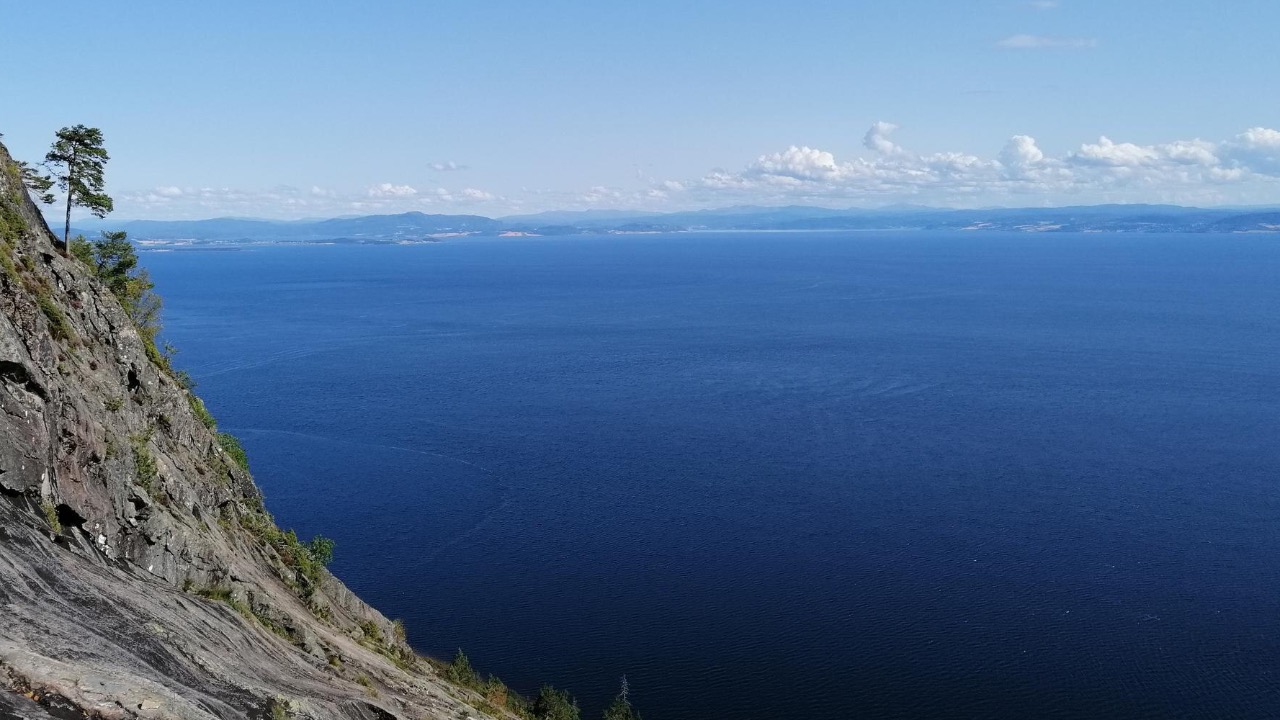
You’re dealing with the largest freshwater lake by surface area on the planet, and it doesn’t give up its secrets easily. In spots, it pushes past 1,300 feet deep, and that kind of depth changes how the entire system works.
Cold water dominates, even in summer. Layers stack up, and fish use them in ways that can be hard to track. There are stretches where sonar marks fade out and structure becomes less defined. Researchers have mapped a lot of it, but between the size, storms, and depth, there’s still plenty down there that hasn’t been closely studied.
Crater Lake Drops Off Into Volcanic Unknowns
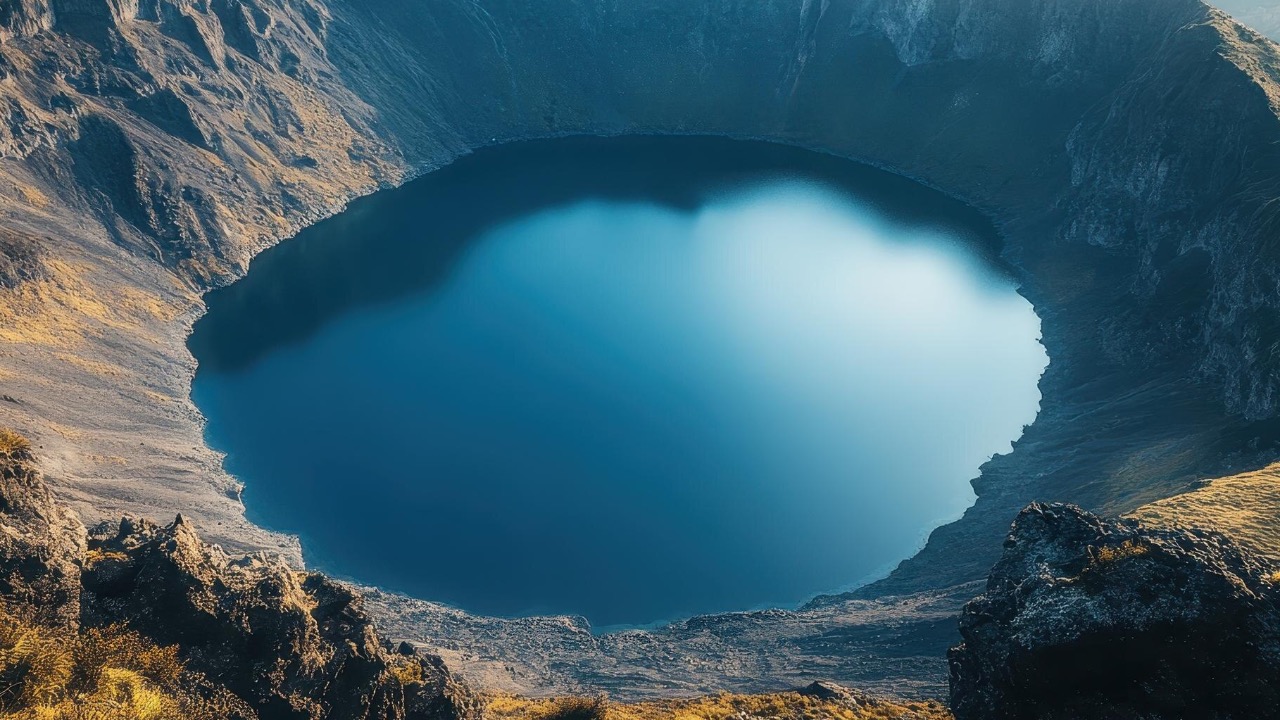
Crater Lake looks calm and clean from the rim, but it’s one of the deepest lakes in the country, dropping to nearly 2,000 feet. It formed after a volcanic collapse, and that history still shapes what’s below.
There’s no river feeding it, and no easy access for large-scale study. The clarity is unreal, but that doesn’t mean it’s fully understood. Deep basins and steep walls create areas that are tough to explore in detail. You’re looking at a lake where geology plays as big a role as water, and some of that story is still incomplete.
Lake Tahoe Has Depth With Limited Reach
Lake Tahoe is known for its clear water, but it also drops to over 1,600 feet. That depth, paired with its size, makes full exploration a challenge even today.
You can map the basin, but fine details get harder the deeper you go. Temperature layers stay stable for long stretches, and that affects how fish move and where they hold. There are still sections where sediment, currents, and underwater features haven’t been studied as closely as you’d expect given how popular the lake is.
Lake Chelan Cuts Deep Through Mountain Terrain
Lake Chelan runs long and narrow, carved through steep terrain, and drops to over 1,400 feet. That shape creates sharp transitions and deep trenches that aren’t easy to work through.
The upper end stays cold and remote, with fewer access points and less pressure. That limits how often those deeper zones are studied. You’ll find strong stratification and areas where oxygen levels shift in ways that affect fish behavior. It’s a lake that looks manageable on the surface but gets complicated the deeper you go.
Lake Michigan Hides Depth Beneath Heavy Pressure
Lake Michigan sees a lot of traffic—boats, anglers, shipping—but it still reaches depths around 900 feet. That combination of use and depth creates a strange mix of well-known and poorly understood water.
Nearshore areas are mapped and fished hard. Move offshore, and things thin out fast. Currents, temperature breaks, and suspended fish all become harder to pin down. Even with years of data, there are stretches where patterns don’t line up cleanly, especially when weather shifts and pushes water around.
Lake Clark Stays Remote and Largely Untouched
Lake Clark doesn’t get the same attention as the big-name lakes, but it drops deep and sits in country that limits access. Remote water stays less studied, plain and simple.
Depth numbers vary depending on where you are, but it’s deep enough to create layered water and cold zones that don’t get much human pressure. Add in weather, distance, and limited infrastructure, and you’ve got a place where research comes slower. There’s still a lot down there that hasn’t been closely looked at.
Iliamna Lake Carries Size and Depth in Equal Measure
Iliamna is massive, and it reaches depths over 900 feet. Size alone makes it tough to fully understand, and depth adds another layer.
Strong winds, big waves, and remote access all work against detailed study. You’ll hear stories about what’s down there, but even without that noise, the lake’s scale leaves gaps in hard data. Fish movement, deep structure, and bottom composition aren’t mapped evenly across the whole lake.
Lake Ontario Drops Fast Beyond the Shoreline
Lake Ontario is the smallest of the Great Lakes by surface area, but it’s still deep, reaching over 800 feet. The drop-offs happen quickly once you move away from shore.
That fast transition creates zones that are harder to study and fish. Temperature and current shifts can stack fish in tight windows or scatter them completely. Even with strong research efforts, the deeper basins don’t get the same level of detail as the more accessible parts of the lake.
Flathead Lake Holds Cold Water Far Below the Surface
Flathead is one of the deepest natural freshwater lakes in the western U.S., dropping to around 370 feet. That might not match the Great Lakes, but it’s deep enough to create real separation in the water column.
Cold water stays locked down deep, and that affects everything above it. Fish use those layers differently depending on the season, and not all of it is predictable. There’s been solid research here, but like most deep lakes, the farther down you go, the less complete the picture gets.
Priest Lake Keeps Its Deeper Water Quiet
Priest Lake reaches depths over 350 feet and sits in a region that doesn’t see the same level of pressure as larger destinations. That combination leaves parts of it less studied.
The lower layers stay cold and stable, with limited disturbance. That can create conditions where fish hold deep for long stretches. Mapping has improved over time, but there are still sections where detail drops off. It’s a lake where you can cover water all day and still feel like you’re missing something below.
Lake Crescent Combines Depth With Isolation
Lake Crescent drops to roughly 600 feet and sits tucked into rugged country. Limited development and strict protections have kept it in good shape, but they also limit how much intrusive study gets done.
The water is clear, but the depth still creates blind spots. Steep walls and deep basins make it hard to get a full picture of what’s below. You’ve got a clean system with fewer disturbances, but that doesn’t mean every part of it is fully understood.
You can fish these lakes for years and still feel like you’re only scratching the surface. Depth changes everything—how fish behave, how water moves, and how much we truly know. The deeper it gets, the more room there is for unanswered questions, even now.

Asher was raised in the woods and on the water, and it shows. He’s logged more hours behind a rifle and under a heavy pack than most men twice his age.