12 states seeing the return of wolf populations
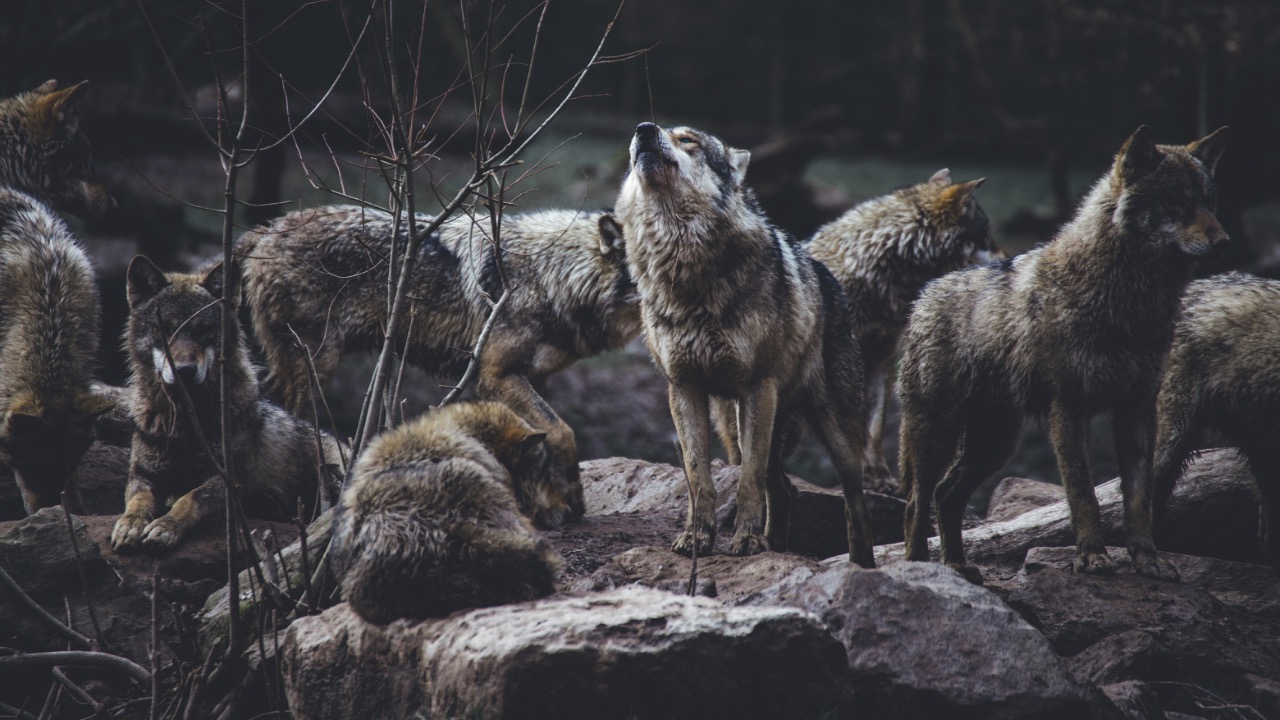
Across the Lower 48, wolves are slipping back into country where they were wiped out within living memory. I have watched that return play out in very different ways, from ballot-box reintroductions to quiet cross-border dispersal. Here are 12 states where wolf numbers are climbing again, and what that means for hunters, ranchers, and anyone who spends time on wild ground.
1. Colorado
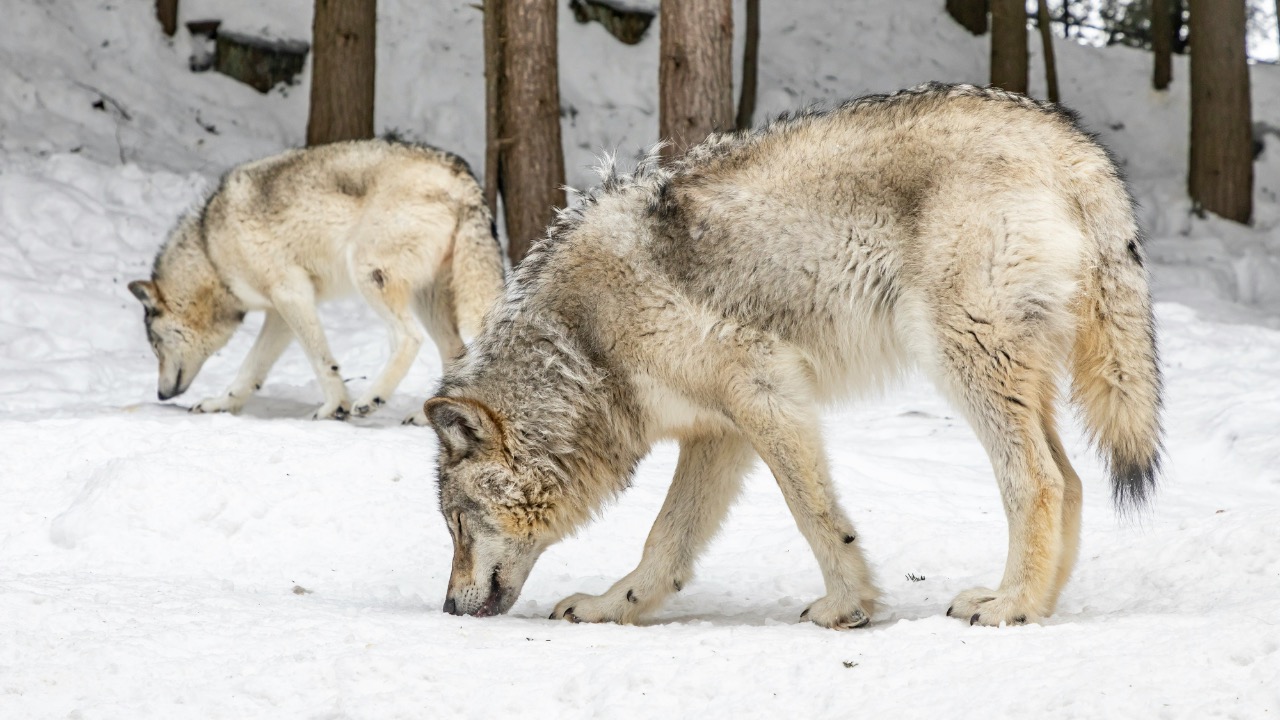
Colorado is the newest front line in wolf recovery, and it is also one of the most closely watched. Voters forced the issue, and state biologists followed through with a staged reintroduction that has already put GRAY WOLVES back on the map. Public profiles of Colorado now routinely mention wolves alongside elk and ski resorts, a sign of how fast the narrative has shifted.
Agency data list GRAY WOLVES IN COLORADO at 29 (January 2025), with the Status described as Federally and state endangered, managed as a 10(j) population, and managers pointing readers to More information on long-term goals. That is a tiny number in a big state, but it is enough to trigger real conflict over calves and hounds. For hunters, the bigger question is how a growing wolf pack will reshape elk behavior in country that has never known them.
2. Oregon
Oregon’s wolves have clawed their way back from the Idaho border to the Cascades, and now the state is wrestling with what “recovered” really looks like. Official summaries of Oregon highlight that wolves are no longer a novelty in the northeast corner, and packs are testing new country closer to ranches and timber towns.
That expansion has teeth. One recent season saw the highest number of wolf kills in Oregon since their return, as documented in reports on wolf kills tied to livestock conflicts and control actions. The state is trying to walk a narrow line, keeping enough wolves on the ground to satisfy recovery plans while responding when packs key in on cattle. For anyone who hunts elk in the Blues, that management balance will shape herd dynamics for years.
3. California
California went nearly a century without wolves, then a single dispersing animal crossed the Oregon line and cracked the door open. Since then, Endangered gray wolves are thriving in California after returning to the Golden State nearly a century after being wiped out, according to biologists tracking packs in the northern forests. Basic overviews of California now include wolves as part of the state’s big-mammal roster again.
That comeback has been described as a GRAY WOLVES Make Remarkable COMEBACK in the California backcountry, with family groups denning on private timberlands and public forests alike. Conservation groups point out that the Golden State still holds huge blocks of suitable habitat, while ranchers in those same valleys are scrambling to adapt. As more packs establish, the state’s strict protections will keep pressure on nonlethal tools and tight carcass management.
4. Washington
Washington’s wolves have quietly filled in much of the state’s northeast corner and are now pushing toward the Cascades and coastal ranges. General references to Washington note that the species is firmly reestablished, especially in the same timber and grazing country where elk and cattle overlap.
At the federal level, Wolves are no longer federally protected in Montana, Idaho, Wyoming, eastern Oregon, eastern Washington, and in a small section of another state, as detailed in a broader look at Wolves and policy. That shift hands more authority to Olympia and local range managers. For hunters and ranchers, it means lethal control and potential future hunting seasons are now political fights inside the state, not in Washington, D.C.
5. Idaho
Idaho is no longer a “returning” wolf state so much as a place where wolves are firmly entrenched and heavily managed. State profiles of Idaho list wolves alongside elk, deer, and black bears, reflecting how normal they have become in the Panhandle and central mountains.
Those numbers grew out of the Northern Rocky Mounta reintroduction effort, described in federal summaries of Colorado and the broader United States program. Today, Idaho lawmakers have pushed aggressive harvest rules in response to livestock losses and elk concerns. For backcountry hunters, that has translated into long seasons and generous tags, even as some biologists warn about pushing packs too hard near Yellowstone and other core areas.
6. Montana
Montana sits at the heart of wolf country in the Northern Rockies, with packs radiating out from Glacier and Yellowstone into working ranchlands. Basic entries on Montana now treat wolves as a permanent part of the landscape, not a temporary experiment.
As with Idaho, Wolves are no longer federally protected in Montana, which has opened the door to aggressive state seasons and controversial trapping rules, as outlined in coverage of rebound politics. Ranchers argue those tools are necessary to keep cattle alive, while some hunters worry that hammering packs near national parks could change elk behavior in ways that are hard to reverse. The state is effectively testing how far you can push a recovered predator and still call it secure.
7. Arizona
Arizona’s wolves are a different animal, literally. Here the focus is on the Mexican gray wolf, a smaller subspecies that has been hanging on by its fingernails in the desert mountains. Overviews of Arizona now mention these wolves as a key part of the state’s endangered species portfolio.
Population tables that track Wolf Population by State note that Arizona has been hosting wolves under a tightly controlled recovery program, listing each State, the Estimated Wolf Population, and the Year Estimate Completed in a single snapshot of Wolf Population trends. For ranchers in the White Mountains, every new release means more pressure to change calving practices. For anyone who loves wild country, seeing a Mexican wolf track in the dust is proof that the borderlands are still hanging onto their predators.
8. New Mexico
New Mexico shares that same Mexican wolf story, with packs straddling the state line and federal managers trying to knit together a viable population. General references to New Mexico now include wolves in the Gila and other remote ranges where elk and mule deer still have room to roam.
In the federal playbook, Arizona and New Mexico are grouped together under Arizona and New Mexico in the Contents of the national reintroduction summary, which breaks out Distribution and population for each recovery area. That framework, laid out alongside sections 1.1, 1.2, and 1.3, shows how tightly regulated every release and removal remains. For local communities, it means wolf politics are driven as much by court orders as by what is happening on the ground.
9. Minnesota
Minnesota is the heavyweight of the Western Great Lakes, holding the largest wolf population in the Lower 48. Official tallies of GRAY WOLVES IN THE WESTERN GREAT LAKE STATES list Minnesota at 2,919 (Winter 2022-2023), a number that dwarfs most western states and underscores how much wolf country still exists in the north woods. Basic entries on Minnesota now treat wolves as a routine part of deer camp.
That success is part of a broader COMEBACK story in which Their populations grew and spread through Wisconsin and Michigan, Through natural migration from Canada and careful management. At the same time, Passage of the Manage Our Wolves Act has been pushed as a way to return management of the Western Great Lakes wolves to states like Michigan and Minnesota, as highlighted in debates over the Western Great Lakes region. For deer hunters, that political tug-of-war will decide whether wolves stay under federal protection or eventually move into a state-run hunting framework.
10. Wisconsin
Wisconsin’s wolf story is tied at the hip to Minnesota’s, but it has its own twists. Packs filtered in from the north, then spread through the central forests and farm country. General summaries of Wisconsin now list wolves as a permanent resident, not a rare visitor.
Advocates point to the same COMEBACK arc, noting that Their populations grew and spread through Wisconsin and Michigan as protections took hold. When federal status briefly shifted, the state rushed into a controversial wolf hunt that blew past quotas and sparked national backlash. That episode still shapes how tribal governments, farmers, and hunters talk about future seasons, and it is a reminder that bringing wolves back is only half the battle; figuring out how to live with them is the rest.
11. Michigan
Michigan’s wolves are mostly a northern story, centered in the Upper Peninsula where big timber and deep snow still rule. Basic entries on Michigan now include wolves alongside black bears and moose as headline wildlife species.
Conservation groups describe how Their populations grew and spread through Wisconsin and Michigan, Through natural migration from Canada and years of tight protection. At the federal level, Passage of the Manage Our Wolves Act has been pitched as a way to hand Western Great Lakes management, including Michigan, back to state agencies. For Yooper deer hunters and cattle producers, that decision will determine whether future wolf numbers are set in Washington or Lansing.
12. North Carolina
North Carolina is the outlier on this list, home to the only wild population of red wolves, a separate species that once ranged across the Southeast. General references to North Carolina now mention these animals in the same breath as black bears and alligators in the coastal plain.
Red wolves were reintroduced to a patchwork of public and private land, and their numbers have seesawed with changing federal policies and local tolerance. The broader science on Wolf Ecology in places like Yellowstone has shaped how managers think about prey impacts and social behavior, even though the habitat could not be more different. For landowners in the Albemarle Peninsula, every new litter of pups is both a conservation milestone and another round of hard conversations about livestock, deer, and property rights.

Asher was raised in the woods and on the water, and it shows. He’s logged more hours behind a rifle and under a heavy pack than most men twice his age.