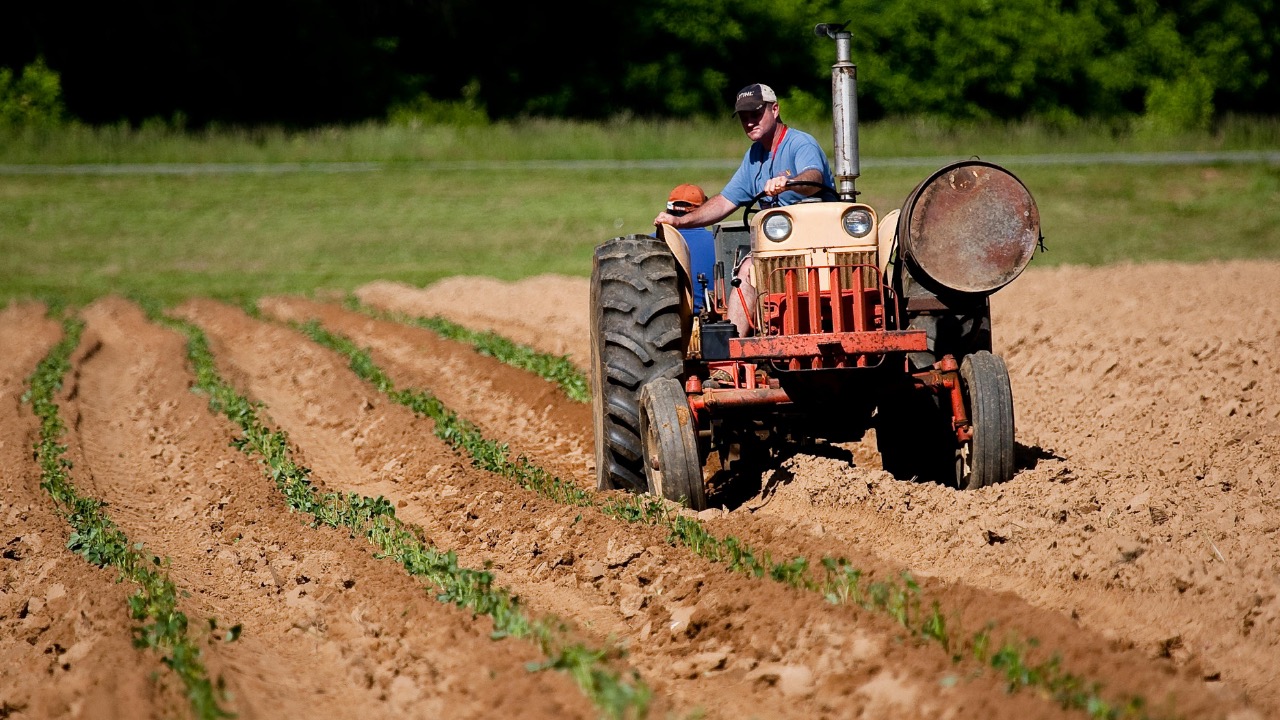
15 Realities of Living in Rural America That Outsiders Rarely Hear About
Life in the countryside is often sold as a quiet antidote to city stress, but the reality for millions of people outside major metros is far more complicated. Behind the pastoral images are hard tradeoffs around work, health, housing, and basic services that rarely appear in real estate listings or political speeches. For those curious about what it actually means to build a life far from the nearest skyline, the daily truths of rural living tell a more demanding, and often more resilient, story.
Across the United States, that story touches a large share of the population and most of the map. Roughly 46 m people live in rural areas, spread across well over half of the country’s land, yet their experiences are often flattened into stereotypes of decline on one side or carefree simplicity on the other. Realities on the ground point to something else entirely: a web of 15 overlapping pressures and advantages that shape everything from a family’s health to whether the local school can stay open.
Rural is bigger, more diverse, and harder to define than it looks

One of the first surprises for outsiders is just how vast and varied rural America actually is. Analysts who track national trends estimate that There are about people living in rural communities, spread across more than three quarters of the United States land area, which means the category covers everything from Midwestern farm counties to tribal lands and coastal fishing towns. That breadth makes it risky to talk about “the” rural experience as if a logging town in Oregon and a cotton county in Mississippi face the same mix of opportunities and threats. Even basic statistics can mislead, because some places that look rural on a map are counted as urban for policy purposes and vice versa.
Researchers have been blunt that the current patchwork of official labels creates a statistical mirage. One recent analysis argued that a hodgepodge of definitions has produced a “statistical illusion” that distorts how policymakers see rural well being, including how they count rural designated hospital and other vital services. That confusion matters on the ground, because funding formulas, infrastructure plans, and health programs often hinge on whether a county clears a bureaucratic threshold that may not match how residents actually live.
The economy runs on thin margins and fragile opportunity
Economic life in small towns can look deceptively stable from afar, with familiar chains along the highway and a courthouse square that has not changed much in decades. Underneath that surface, many households walk a tightrope where a single job loss, health emergency, or broken transmission can trigger a financial spiral. Survey work with rural residents has found that many of the people interviewed described how a house repair, a health emergency, or car trouble can turn into a deep hole to fall into when savings are thin and wages lag behind national averages, especially in places where good jobs are perceived as scarce.
Meanwhile, the broader national economy has shifted into a period described as a Calmer Economic Backdrop with Higher Expectations, and that shift is raising the bar for what rural communities need to stay competitive. Analysts who track rural trends argue that connectivity is now an “enabling” condition for almost every sector, from manufacturing to tourism, and that broadband access has become quietly central to community viability in ways that go far beyond streaming video. In that view, the next chapter for many small towns will depend on whether they can turn better digital links into real opportunities for local entrepreneurs and workers, a point that sits at the heart of the Calmer Economic Backdrop and Higher Expectations framing.
Health care is farther away and outcomes are often worse
Another reality that rarely appears in romantic visions of country life is how much harder it can be to stay healthy. People who live in rural communities face higher rates of preventable disease, more injuries from jobs that involve physical labor, and greater exposure to specific environmental hazards such as agricultural chemicals or unregulated wells. Public health experts emphasize that these gaps are not simply a matter of personal choice, but of limited access to primary care, fewer specialists, and longer travel times when something goes wrong for People who live areas.
Those structural gaps feed into a broader pattern in which Rural America is often less healthy than urban America, despite the enduring Myth that open spaces and fresh air automatically translate into better outcomes. Many observers still assume that a slower pace of life means lower stress and fewer chronic conditions, but the data show higher mortality rates in Rural America for several major causes of death, including heart disease and certain cancers. That reality shapes everyday decisions, from whether an older resident feels safe living alone to how families weigh the risk of a long drive in bad weather for a routine checkup.
Housing, infrastructure, and basic services strain families
Housing in the countryside is another area where perception and reality diverge. Zillow listings of big farmhouses on five acres can make country property look like a bargain, but rural residents often describe a different picture: aging structures, limited rental options, and renovation costs that outstrip local wages. One widely viewed video on the harsh realities of country living walks through how buyers who fall in love with a red barn and a long driveway can end up with failing septic systems, uninsulated walls, and commutes that turn every errand into a half day project, a set of tradeoffs that the Oct Zillow fantasy rarely captures.
Policy groups that focus on rural housing stress that these problems are not isolated anecdotes. They describe how Persistent poverty is a predominantly rural condition, and how Habitable rural housing is increasingly uncommon in some rural regions where aging stock, low incomes, and limited financing combine to squeeze families. Advocates such as HAC have laid out Rural Housing Policy Priorities that call for more investment in basic infrastructure, from safe drinking water to modern electrical systems, arguing that without those foundations, even modest population growth or new industry can overwhelm what is already in place.
Community ties are strong, but isolation and misperceptions run deep
For all of the structural challenges, many people who grow up or settle in small towns report a high level of day to day satisfaction that can surprise urban observers. One analysis that compared self reported happiness found that urban dwellers were only slightly more likely to say they were “pretty happy” with their lives, at 55.9 percent compared with 53.7 percent for rural residents, a gap that suggests contentment in the countryside is far from rare. That kind of data helps explain why, despite economic stress and service gaps, many families choose to stay rooted where they have deep ties rather than chase opportunity in distant metros.
Yet those tight knit communities can coexist with a sense of isolation from national narratives that often flatten rural places into caricature. Commentators such as Ryan Schnurr have argued that There are a lot of oversimplified ideas knocking around about rural places, from the Myth that Only white America People live in rural America to the assumption that every small town votes the same way. Other observers point out that, as in urban America, rural regions contain areas of striking innovation and growth, cultural richness, and some of the fastest growing demographic group in rural places, including communities of color and new immigrants. The gap between that reality and prevailing stereotypes is one of the quiet frustrations that residents say outsiders rarely hear about.

Leo’s been tracking game and tuning gear since he could stand upright. He’s sharp, driven, and knows how to keep things running when conditions turn.